One of my fondest memories is from a sleepy Sunday morning many years ago, when my family gathered around the kitchen table, the air thick with the warm, buttery scent of freshly fried beignets. My grandmother, with her gentle hands dusted in flour, would whip up a batch of these heavenly treats, her laughter mingling with the sizzling sound of dough meeting hot oil. The anticipation was palpable as we waited for them to cool, our eyes fixed on the golden puffs waiting to be drizzled with sweet glaze.
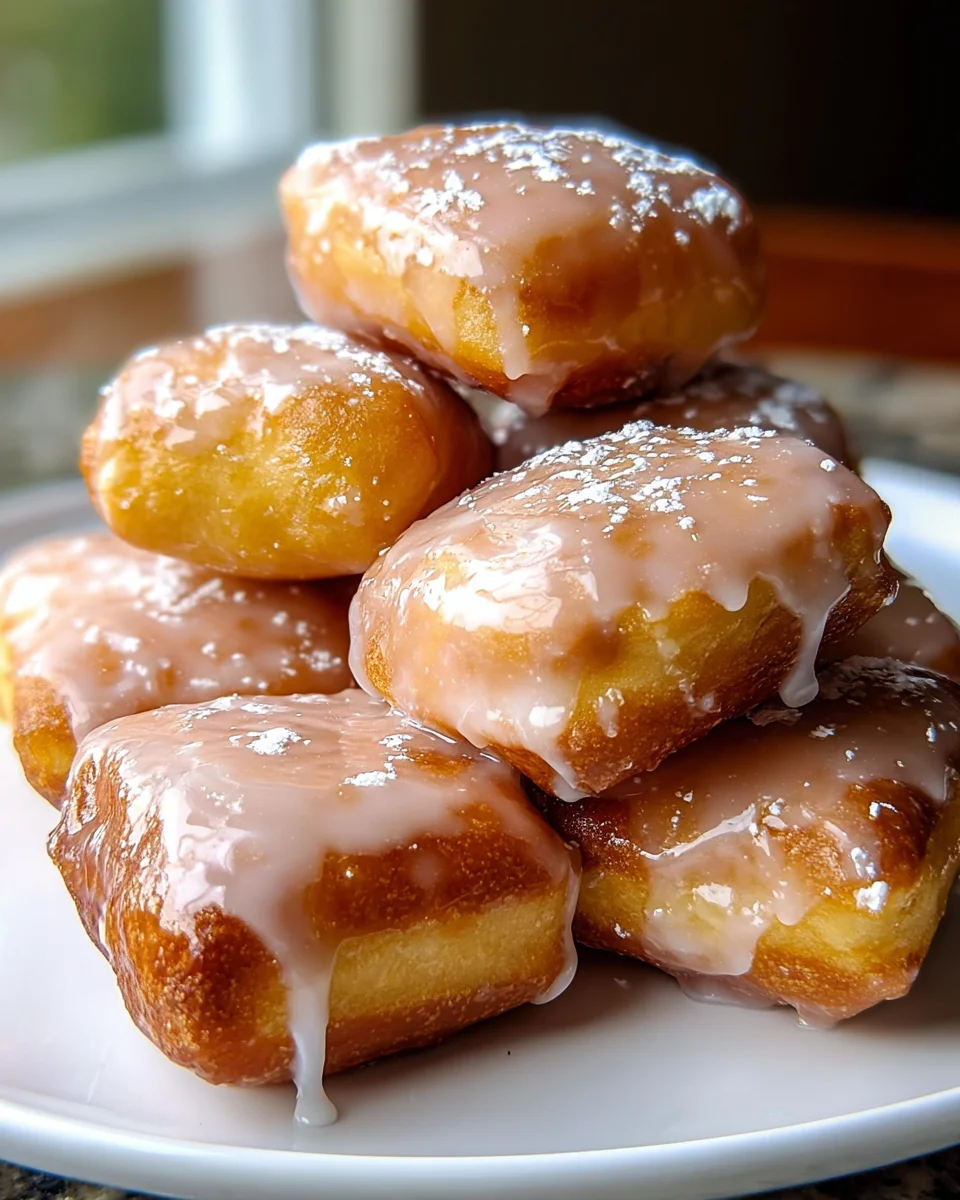
These Glazed Buttermilk Beignets are a celebration of that memory, a soft and airy doughnut that melts in your mouth and transports you straight to a cozy café in New Orleans. Each bite is a delightful contrast of crispy exterior and pillowy softness within, while the sweet glaze glistens like morning dew, inviting you to take just one more. The aroma of vanilla and a hint of nutmeg wafts through the air as they fry, creating an irresistible allure that’s hard to resist.
What makes my version special is the addition of buttermilk, which lends a tangy richness to the dough, elevating the flavor in a way that’s simply unforgettable. Plus, I’ve added a touch of cinnamon to the glaze for that extra warmth and comfort. I can’t wait to share this recipe with you. Let me show you exactly how to make it!

Why You’ll Love This Recipe
- These beignets are incredibly light and airy, with a pillowy texture that melts in your mouth, thanks to the buttermilk and yeast combination.
- Ready in just 35 minutes, you can whip up a batch of these delightful treats in no time, perfect for unexpected guests or a sweet brunch.
- The simple ingredients keep your grocery bill low, making this a budget-friendly indulgence that won’t break the bank.
- The irresistible vanilla glaze adds a sweet finish that complements the slightly tangy flavor of the buttermilk, creating a perfect balance.
- With only one bowl and a frying pot to clean, the easy cleanup means you can spend more time enjoying your beignets and less time in the kitchen.
Ingredients
- 3 ½ cups all-purpose flour
- 2 ¼ teaspoons active dry yeast
- ¾ cup warm water (110°F)
- ½ cup buttermilk
- 1 large egg
- 3 tablespoons sugar
- ¼ cup melted butter
- ½ teaspoon salt
- Oil for frying (canola or vegetable)
- 1 ½ cups powdered sugar
- 3–4 tablespoons milk
- ½ teaspoon vanilla extract
The key ingredients in these Glazed Buttermilk Beignets are essential for achieving the perfect texture and flavor. The all-purpose flour is the backbone of the recipe, providing structure while allowing the beignets to rise beautifully. For the best results, use a high-protein flour, which will give your beignets that airy quality. If you’re looking for a gluten-free option, you can substitute with a 1:1 gluten-free flour blend.
Buttermilk is crucial here, bringing a slight tanginess that contrasts wonderfully with the sweet glaze and adds moisture to the dough. If you don’t have buttermilk on hand, you can easily make a substitute by mixing ½ cup of milk with 1 tablespoon of vinegar or lemon juice and letting it sit for about 5 minutes. This will mimic that delightful acidity.
Lastly, active dry yeast is what makes these beignets rise, creating that airy texture. Always check the expiration date to ensure your yeast is active; if it doesn’t foam when mixed with warm water, it’s best to start over with fresh yeast for optimal results.
Step-by-Step Instructions
- Start by activating the yeast: In a large mixing bowl, combine 2 ¼ teaspoons of active dry yeast with ¾ cup of warm water (110°F). Let this sit undisturbed for about 5 minutes until it becomes frothy. This foaming is a sign that your yeast is alive and ready to work.
- Mix the dough: To the yeast mixture, add ½ cup buttermilk, 1 large egg, 3 tablespoons sugar, ¼ cup melted butter, and ½ teaspoon salt. Stir gently until well combined. Gradually incorporate 3 ½ cups of all-purpose flour until a sticky dough forms. The dough should feel smooth and slightly elastic.
- Knead the dough: Transfer the dough onto a floured surface and knead for about 5 minutes until it reaches a soft and pliable consistency. Be careful not to over-knead, as this can make your beignets tough.
- Let the dough rise: Place the kneaded dough into a greased bowl and cover it with plastic wrap or a damp cloth. Set it in a warm spot to rise for 1-2 hours until it doubles in size. You’ll know it’s ready when it has a lovely, yeasty aroma.
- Shape the beignets: Once the dough has risen, punch it down to release the air. Roll it out on a floured surface to about ¼ inch thickness. Using a sharp knife or dough cutter, cut the dough into 2-inch squares. Aim for even sizes for uniform cooking.
- Heat the oil: In a deep fryer or a large pot, heat oil to 360°F. Use a kitchen thermometer for accuracy. This temperature is crucial for achieving that golden-brown exterior.
- Fry the beignets: Carefully lower the dough squares into the hot oil in batches, making sure not to overcrowd the pot. Fry for about 1-2 minutes per side, flipping them until they are golden brown. Watch closely to avoid burning.
- Drain the beignets: Once golden, remove the beignets from the oil and place them on paper towels to drain excess oil. They should feel light and airy when you pick them up.
- Prepare the glaze: In a separate bowl, whisk together 1 ½ cups of powdered sugar with 3-4 tablespoons of milk and ½ teaspoon of vanilla extract until smooth. The glaze should be thick enough to coat the back of a spoon.
- Glaze the beignets: While the beignets are still warm, dip them into the glaze, letting any excess drip off before placing them on a wire rack to set. The glaze will harden slightly, creating a beautiful shiny finish.
Pro Tips for the Best Glazed Buttermilk Beignets
- One common mistake is not allowing the dough to rise sufficiently. Make sure it really doubles in size for the best texture; if you’re in a cold kitchen, consider placing it in a warm oven (turned off) to help it along.
- For frying, use a deep-frying thermometer to maintain the oil temperature. If the oil is too hot, the beignets will brown too quickly without cooking through; too cool, and they’ll absorb excess oil, becoming greasy.
- When mixing the dough, add the flour gradually to avoid a dry mixture. You want a slightly sticky dough that’s easy to handle after kneading, so don’t be tempted to add too much flour!
- For the best glaze, mix it just before you’re ready to coat the beignets. This keeps it fresh and ensures a smooth texture. You can also experiment with flavored extracts like almond or coconut for a twist.
- Lastly, for fluffy beignets, make sure your dough isn’t too dense. If it feels heavy after kneading, you might need to let it rise a bit longer before frying.
Variations & Serving Ideas
To add a creative twist to your Glazed Buttermilk Beignets, try these variations:
- Cinnamon Sugar Beignets: After frying, toss the warm beignets in a mixture of cinnamon and sugar instead of glazing them.
- Chocolate Glaze: For chocolate lovers, melt some chocolate and stir in a little cream to create a decadent chocolate glaze.
- Fruit-Infused Glaze: Add pureed fruit like raspberry or strawberry to the glaze for a fruity flavor and vibrant color.
- Vegan Beignets: Substitute the egg with a flax egg (1 tablespoon flaxseed meal mixed with 2.5 tablespoons water) and use plant-based milk and butter alternatives.
For serving ideas, these beignets pair perfectly with fresh fruit, a side of whipped cream for dipping, or a hot cup of coffee or tea. The sweetness of the beignets complements the bitterness of coffee beautifully, making for a satisfying breakfast or afternoon treat.
Storage, Make-Ahead & Reheating
Store any leftover beignets in an airtight container at room temperature for up to 2 days. They may lose some of their crispness but will still taste delightful. If you want to keep them longer, these beignets freeze exceptionally well. Just place them in a single layer on a baking sheet until frozen, then transfer to a freezer bag for up to 1 month.
To reheat, preheat your oven to 350°F and place the beignets on a baking sheet for about 5-7 minutes until warmed through. They taste better the next day as the flavors meld, but fresh out of the fryer is always a special treat!
Frequently Asked Questions
Can I make Glazed Buttermilk Beignets ahead of time?
Yes — in fact, they taste even better the next day! You can prepare the dough in advance and let it rise overnight in the fridge. Just allow it to come to room temperature before frying.
What can I use instead of buttermilk?
If you don’t have buttermilk, you can easily make a substitute by mixing ½ cup of milk with 1 tablespoon of vinegar or lemon juice. Let it sit for 5 minutes, and you’ll have a perfect buttermilk replacement.
How do I know when the oil is hot enough for frying?
The ideal frying temperature is 360°F.
Final Thoughts
These Glazed Buttermilk Beignets are truly a delightful treat that combines a light, fluffy texture with a sweet, irresistible glaze. The tangy buttermilk elevates each bite, creating a satisfying balance that’s hard to resist.
This is the kind of recipe I come back to again and again, especially when I want to share a little joy with family and friends. The warm aroma that fills the kitchen as they fry is simply unforgettable. I encourage you to try making these beignets yourself! Don’t hesitate to put your own spin on them—maybe add a hint of cinnamon or a sprinkle of lemon zest. Whatever you choose, I’d love to hear about it, so share your results and let your creativity shine!
Glazed Buttermilk Beignets

These Glazed Buttermilk Beignets are soft and airy doughnuts that melt in your mouth, perfect for a cozy brunch. The sweet glaze adds a delightful finish that complements the tangy buttermilk flavor.
- Prep Time: 15 mins
- Cook Time: 20 mins
- Total Time: 35 minutes
- Yield: 12 servings 1x
- Category: Dessert
- Method: Frying
- Cuisine: American
Ingredients
- 3 ½ cups all-purpose flour
- 2 ¼ teaspoons active dry yeast
- ¾ cup warm water (110°F)
- ½ cup buttermilk
- 1 large egg
- 3 tablespoons sugar
- ¼ cup melted butter
- ½ teaspoon salt
- Oil for frying (canola or vegetable)
- 1 ½ cups powdered sugar
- 3–4 tablespoons milk
- ½ teaspoon vanilla extract
Instructions
- Start by activating the yeast: In a large mixing bowl, combine 2 ¼ teaspoons of active dry yeast with ¾ cup of warm water (110°F). Let this sit undisturbed for about 5 minutes until it becomes frothy.
- Mix the dough: To the yeast mixture, add ½ cup buttermilk, 1 large egg, 3 tablespoons sugar, ¼ cup melted butter, and ½ teaspoon salt. Stir gently until well combined. Gradually incorporate 3 ½ cups of all-purpose flour until a sticky dough forms.
- Knead the dough: Transfer the dough onto a floured surface and knead for about 5 minutes until it reaches a soft and pliable consistency.
- Let the dough rise: Place the kneaded dough into a greased bowl and cover it with plastic wrap or a damp cloth. Set it in a warm spot to rise for 1-2 hours until it doubles in size.
- Shape the beignets: Once the dough has risen, punch it down to release the air. Roll it out on a floured surface to about ¼ inch thickness. Cut the dough into 2-inch squares.
- Heat the oil: In a deep fryer or a large pot, heat oil to 360°F.
- Fry the beignets: Carefully lower the dough squares into the hot oil in batches, frying for about 1-2 minutes per side until golden brown.
- Drain the beignets: Remove the beignets from the oil and place them on paper towels to drain excess oil.
- Prepare the glaze: In a separate bowl, whisk together 1 ½ cups of powdered sugar with 3-4 tablespoons of milk and ½ teaspoon of vanilla extract until smooth.
- Glaze the beignets: While the beignets are still warm, dip them into the glaze, letting any excess drip off before placing them on a wire rack to set.
Nutrition
- Serving Size: 1 beignet
- Calories: 200
- Sugar: 10 g
- Sodium: 150 mg
- Fat: 8 g
- Saturated Fat: 4 g
- Unsaturated Fat: 3 g
- Trans Fat: 0 g
- Carbohydrates: 30 g
- Fiber: 1 g
- Protein: 3 g
- Cholesterol: 30 mg
Keywords: For best results, ensure the dough rises sufficiently and maintain the oil temperature at 360°F for frying. If you don't have buttermilk, mix ½ cup of milk with 1 tablespoon of vinegar or lemon juice as a substitute.