
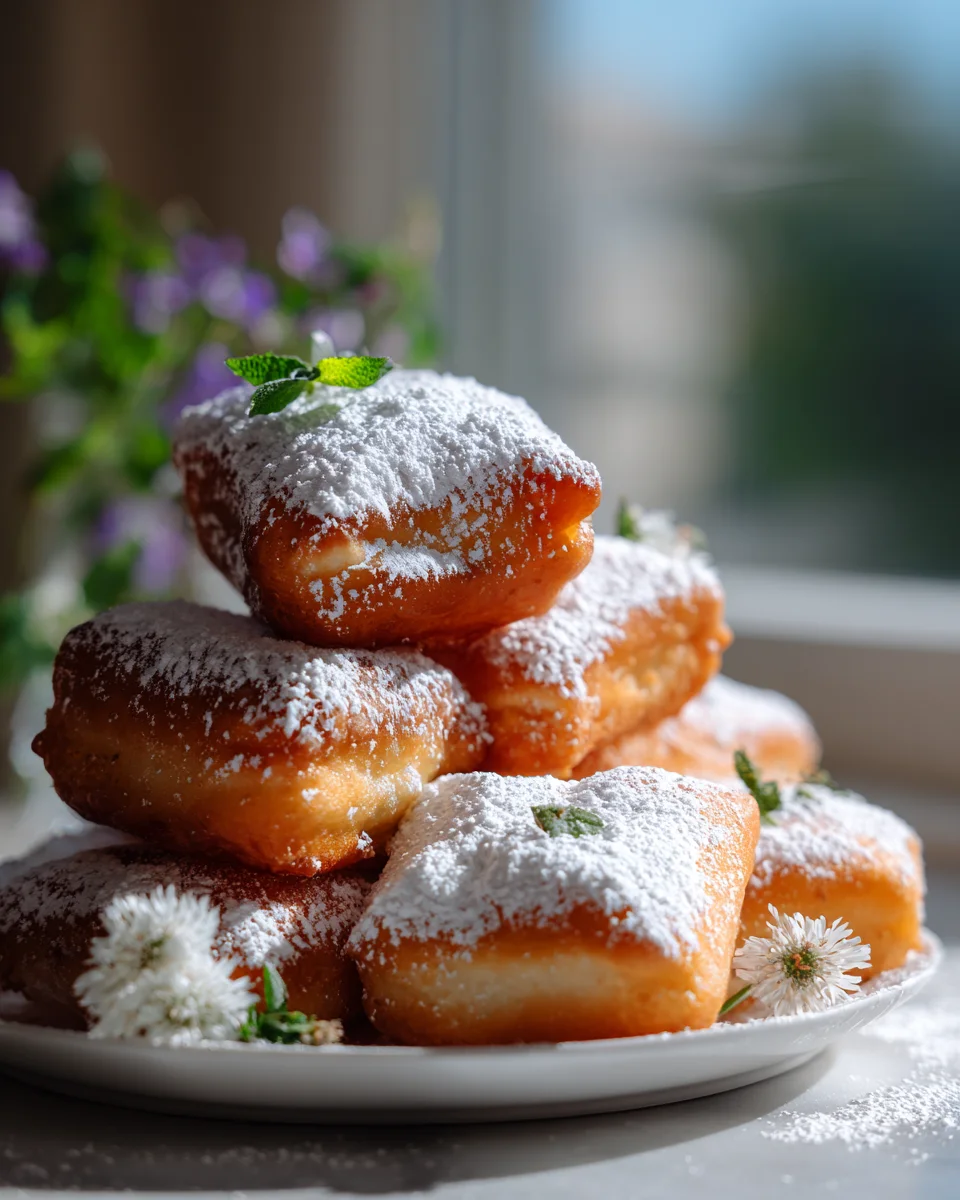
One of my fondest memories is a rainy Saturday morning spent at a quaint little café in New Orleans. The air was thick with the rich aroma of freshly brewed coffee and something sweet yet comforting that I couldn’t quite place. As soon as I stepped inside, I was enveloped by the warm, inviting scent of classic vanilla French beignets dusted with a generous shower of powdered sugar. I remember watching as they were served, their golden brown exteriors gleaming, while the soft, pillowy insides beckoned me to take a bite. The moment I did, it was pure bliss—sweet, airy, and utterly irresistible.
This recipe for Classic Vanilla French Beignets With Powdered Sugar holds a special place in my heart because it captures that same magic I experienced that day. The beignets are perfectly fluffy, with a slightly crispy exterior that gives way to a cloud-like interior. The hint of vanilla adds a delightful warmth, and the clouds of powdered sugar create a sweet contrast that makes each bite feel like a little celebration.
What makes my version stand out is the careful balance of flavors and textures, along with a few secret tips I’ve picked up over the years to ensure they turn out just right every time. These beignets are not just a treat; they are a way to bring the spirit of New Orleans into your kitchen, no matter where you are.
So, let me show you exactly how to make these delightful Classic Vanilla French Beignets With Powdered Sugar that will surely make your heart sing!
Why You’ll Love This Recipe
- Each beignet is fluffy on the inside and has a delicate, crispy exterior that melts in your mouth.
- This recipe takes about 1 hour from start to finish, making it perfect for a weekend breakfast or brunch.
- With simple ingredients, you can whip up a batch on a budget without sacrificing taste or quality.
- The rich vanilla flavor pairs beautifully with the sweet powdered sugar, creating a comforting treat that feels indulgent.
- It’s a versatile recipe that can be dressed up with flavored glazes or enjoyed plain for a classic experience.
Ingredients
- 2 1/4 teaspoons active dry yeast (1 packet)
- 1/2 cup warm water (110°F to 115°F)
- 1/2 cup granulated sugar
- 1/2 cup whole milk
- 1 large egg
- 1 teaspoon pure vanilla extract
- 1/2 teaspoon salt
- 4 cups all-purpose flour, plus more for dusting
- 1/4 cup unsalted butter, softened
- Vegetable oil (for frying)
- Powdered sugar (for dusting)
Let’s break down some of the key ingredients that make these Classic Vanilla French Beignets so special. First, the active dry yeast is essential for leavening, giving our beignets that signature fluffy texture. When purchasing yeast, opt for a reputable brand and check the expiration date to ensure freshness. If you’re out of yeast, you can sometimes substitute it with an equal amount of instant yeast, but the rise time may vary slightly.
The pure vanilla extract is the star flavor component, infusing the beignets with a warm sweetness. Always choose pure vanilla extract over imitation for the best flavor; however, if you don’t have any on hand, you can use vanilla bean paste or even a touch of almond extract for a unique variation.
Finally, the all-purpose flour provides structure, and using a higher protein flour will yield a chewier texture. For a gluten-free option, substitute with a 1:1 gluten-free flour blend, but keep in mind that the texture may differ slightly.
Step-by-Step Instructions
- In a small bowl, combine the warm water and active dry yeast. Let it sit for 5-10 minutes until foamy. This indicates that the yeast is active. If it doesn’t foam, your yeast may be dead, and you’ll need to start over.
- In a large mixing bowl, whisk together the granulated sugar, whole milk, large egg, pure vanilla extract, and salt until well combined.
- Once the yeast is foamy, add it to the sugar mixture and mix until blended.
- Gradually incorporate the all-purpose flour, one cup at a time, mixing until a sticky dough forms. You may need to use your hands to combine the flour thoroughly.
- Add the softened unsalted butter to the dough, kneading it in until fully incorporated. The dough should be slightly tacky but not overly sticky. Avoid adding too much flour at this stage.
- Cover the bowl with a clean kitchen towel and let the dough rise in a warm place for about 30-45 minutes, or until doubled in size. You can place it near a preheated oven (but not in it!) for a warm environment.
- After the dough has risen, punch it down gently to release the air. Roll it out on a floured surface to about 1/4-inch thickness. Use a sharp knife or dough cutter to cut into squares or triangles.
- In a deep skillet or heavy pot, heat about 2 inches of vegetable oil to 350°F (175°C). Use a thermometer for accuracy. If the oil is too hot, the beignets will burn; too cold, and they’ll absorb too much oil.
- Fry the beignets in batches, cooking for 2-3 minutes on each side until golden brown. Use a slotted spoon to flip them gently. Be careful not to overcrowd the pan, which can lower the oil temperature.
- Once golden brown, transfer the beignets to a paper towel-lined plate to drain excess oil, then dust generously with powdered sugar while they’re still warm. Serve immediately for the best texture and flavor.
Pro Tips for the Best Classic Vanilla French Beignets With Powdered Sugar
- Be cautious with your oil temperature; too high will burn the beignets outside while leaving them raw inside. A good test is to drop a small piece of dough into the oil; it should sizzle and rise to the top.
- For even frying, make sure your beignets are of uniform size. Use a ruler if necessary, or a biscuit cutter for perfectly shaped pieces.
- Don’t skip the resting period for the dough; it’s crucial for developing the texture. If you’re in a hurry, consider letting the dough rise in the refrigerator overnight for a more flavorful beignet.
- A common mistake is under-kneading the dough, which can lead to denser beignets. Knead until the dough is smooth and elastic, but be careful not to overdo it; that can make them tough.
- Experiment with flavored powdered sugar by mixing in cocoa powder or cinnamon for a twist. Just remember to adjust the sweetness accordingly.
Variations & Serving Ideas
- For a seasonal twist, try adding pumpkin spice to the dough in the fall or a hint of citrus zest in the summer for a refreshing flavor.
- Make chocolate beignets by incorporating cocoa powder into the dough or filling them with chocolate ganache before frying.
- For a savory option, replace the sugar with herbs and cheese to create a delicious appetizer version.
- Pair your beignets with fresh fruit compote or a flavored syrup, like maple or berry, for an extra layer of flavor.
When serving, these beignets pair wonderfully with a hot cup of coffee or a chilled glass of milk. Their sweet flavor complements the bitterness of coffee perfectly, while milk enhances the soft, fluffy texture.
Storage, Make-Ahead & Reheating
Store any leftover beignets in an airtight container at room temperature for up to 2 days. They can also be refrigerated for up to a week, though they may lose some freshness. If you want to freeze them, place them in a single layer on a baking sheet until solid, then transfer to a freezer bag for up to 2 months. When ready to enjoy, reheat in a 350°F (175°C) oven for about 5-8 minutes until warmed through. Interestingly, many say beignets taste even better the next day, as the flavors have time to meld.
Frequently Asked Questions
Can I make Classic Vanilla French Beignets With Powdered Sugar ahead of time?
Yes — in fact, they taste even better the next day! Prepare the dough and let it rise, then shape and fry them just before serving. This allows the flavors to deepen while maintaining their fluffy texture.
What can I use instead of vegetable oil for frying?
You can use canola oil, peanut oil, or even coconut oil for frying. Each will impart a slightly different flavor, but they all work well for achieving that crispy exterior.
Can I bake the beignets instead of frying them?
While frying gives beignets their signature texture, you can bake them at 375°F (190°C) for about 15-20 minutes. They won’t be the same, but they can still be delicious with a nice golden crust.
Why do my beignets turn out dense?
Densely textured beignets can result from under-kneading the dough or not allowing it to rise properly. Ensure the dough is fully kneaded until smooth and elastic, and allow it adequate time to rise until doubled.
Can I add fillings to my beignets?
Absolutely! You can fill them with chocolate, fruit preserves, or even cream cheese. Just be sure not to overfill, as
Final Thoughts
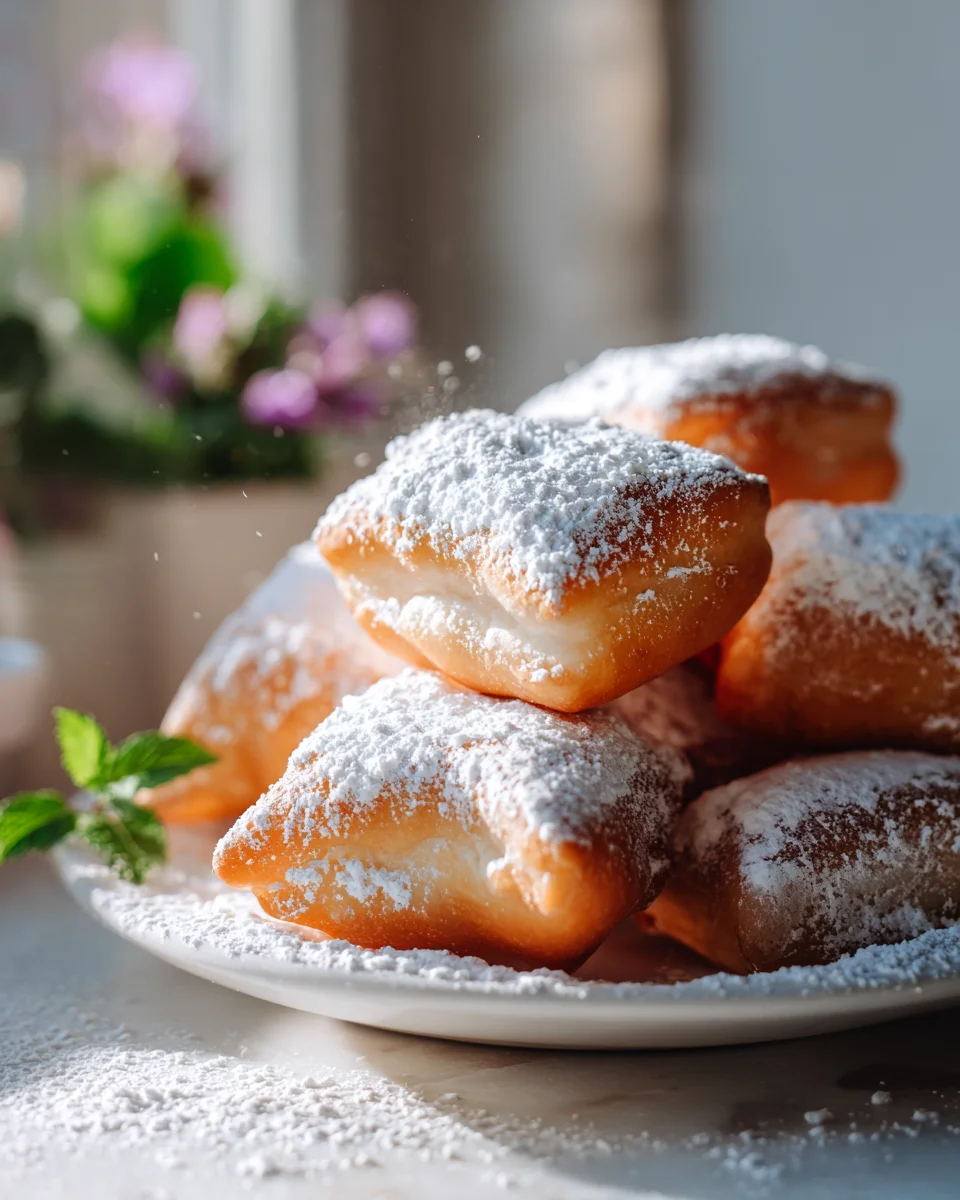
Classic Vanilla French Beignets With Powdered Sugar are more than just a treat; they are little pillows of joy that melt in your mouth, leaving you with a warm, sugary smile. The balance of rich vanilla flavor and light, airy texture makes each bite utterly satisfying, perfect for any occasion.
This is the kind of recipe I come back to again and again, especially when I want to create a cozy atmosphere at home or celebrate with friends. The sweet aroma fills the kitchen, instantly lifting spirits and inviting everyone to gather around the table.
I encourage you to try making these delightful beignets yourself. Don’t be afraid to add your own twist—perhaps a dash of cinnamon or a drizzle of chocolate! Share your results and let the world savor your culinary creativity.
Classic Vanilla French Beignets

These Classic Vanilla French Beignets are fluffy on the inside with a crispy exterior, dusted generously with powdered sugar. Perfect for a cozy breakfast or brunch, they bring the spirit of New Orleans to your kitchen.
- Prep Time: 15 mins
- Cook Time: 30 mins
- Total Time: 45 minutes
- Yield: 12 servings 1x
- Category: Dessert
- Method: Frying
- Cuisine: French
Ingredients
- 2 1/4 teaspoons active dry yeast (1 packet)
- 1/2 cup warm water (110°F to 115°F)
- 1/2 cup granulated sugar
- 1/2 cup whole milk
- 1 large egg
- 1 teaspoon pure vanilla extract
- 1/2 teaspoon salt
- 4 cups all-purpose flour, plus more for dusting
- 1/4 cup unsalted butter, softened
- Vegetable oil (for frying)
- Powdered sugar (for dusting)
Instructions
- In a small bowl, combine the warm water and active dry yeast. Let it sit for 5-10 minutes until foamy. This indicates that the yeast is active. If it doesn’t foam, your yeast may be dead, and you’ll need to start over.
- In a large mixing bowl, whisk together the granulated sugar, whole milk, large egg, pure vanilla extract, and salt until well combined.
- Once the yeast is foamy, add it to the sugar mixture and mix until blended.
- Gradually incorporate the all-purpose flour, one cup at a time, mixing until a sticky dough forms. You may need to use your hands to combine the flour thoroughly.
- Add the softened unsalted butter to the dough, kneading it in until fully incorporated. The dough should be slightly tacky but not overly sticky. Avoid adding too much flour at this stage.
- Cover the bowl with a clean kitchen towel and let the dough rise in a warm place for about 30-45 minutes, or until doubled in size. You can place it near a preheated oven (but not in it!) for a warm environment.
- After the dough has risen, punch it down gently to release the air. Roll it out on a floured surface to about 1/4-inch thickness. Use a sharp knife or dough cutter to cut into squares or triangles.
- In a deep skillet or heavy pot, heat about 2 inches of vegetable oil to 350°F (175°C). Use a thermometer for accuracy. If the oil is too hot, the beignets will burn; too cold, and they’ll absorb too much oil.
- Fry the beignets in batches, cooking for 2-3 minutes on each side until golden brown. Use a slotted spoon to flip them gently. Be careful not to overcrowd the pan, which can lower the oil temperature.
- Once golden brown, transfer the beignets to a paper towel-lined plate to drain excess oil, then dust generously with powdered sugar while they’re still warm. Serve immediately for the best texture and flavor.
Nutrition
- Serving Size: 1 beignet
- Calories: 200
- Sugar: 5 g
- Sodium: 150 mg
- Fat: 10 g
- Saturated Fat: 5 g
- Unsaturated Fat: 4 g
- Trans Fat: 0 g
- Carbohydrates: 25 g
- Fiber: 1 g
- Protein: 3 g
- Cholesterol: 30 mg
Keywords: Be cautious with your oil temperature; too high will burn the beignets outside while leaving them raw inside. A common mistake is under-kneading the dough, which can lead to denser beignets.