
Cantonese Chow Mein
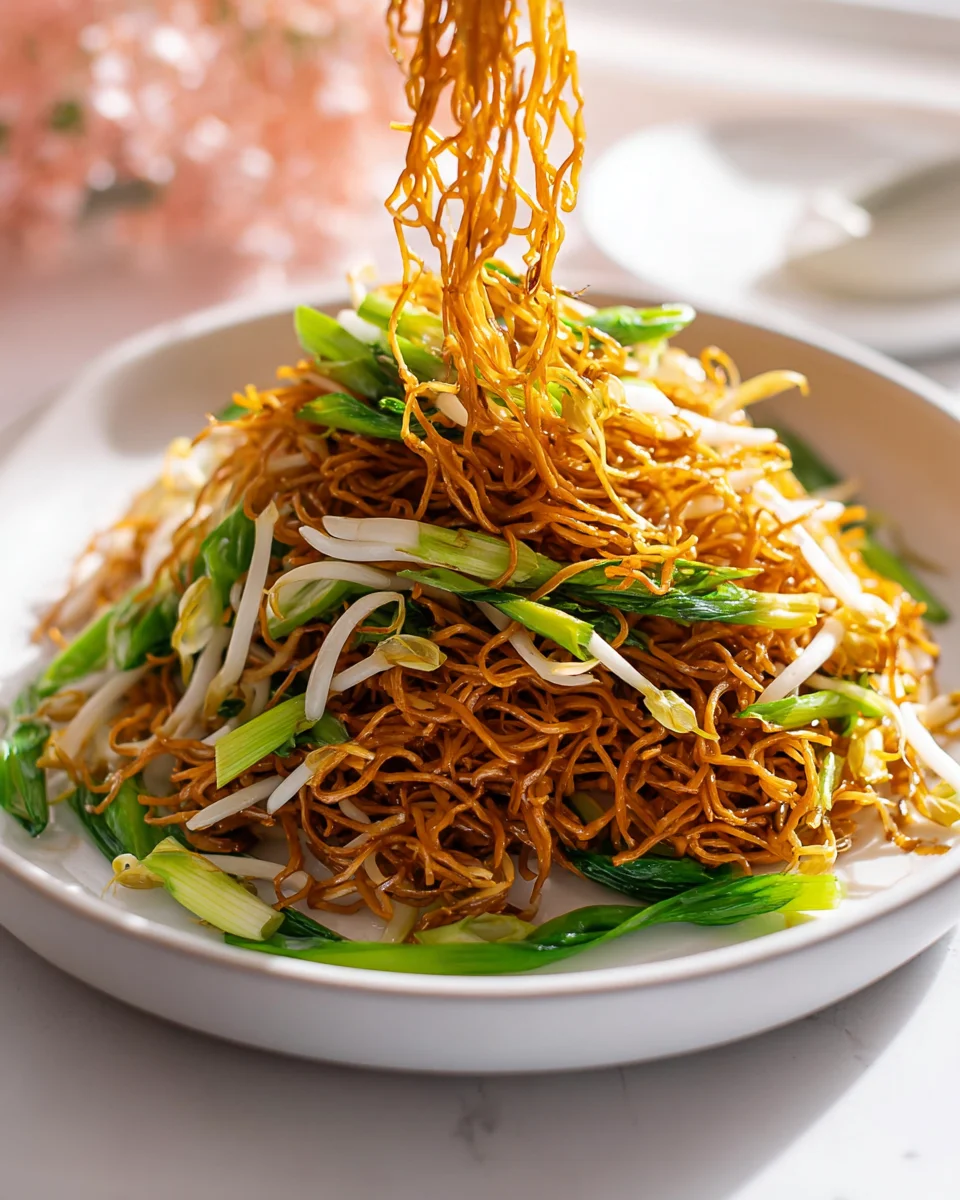
Welcome to my kitchen, where today we’re diving into the delightful world of Cantonese Chow Mein! This dish is a true gem of Cantonese cuisine, known for its irresistible combination of chewy noodles, fresh vegetables, and tender strips of beef. What makes this recipe special is how it perfectly balances flavors and textures, creating a dish that is both satisfying and utterly delicious. Whether you’re a seasoned chef or a kitchen novice, you’ll find that whipping up this classic plate of chow mein is not only easy but also a wonderful way to impress your family and friends.
One of the things I love most about Cantonese Chow Mein is its versatility. You can customize it to your heart’s content, swapping in your favorite veggies or even incorporating some extra protein if you like. The stir-frying technique ensures that everything cooks quickly and retains that wonderful crunch, making each bite a delightful experience. Plus, the fragrant soy sauce and hints of garlic provide an aromatic backdrop that will have your taste buds dancing. So, roll up your sleeves and get ready to savor a bowl of this deliciousness!

Ingredient Notes
When it comes to making delicious Cantonese Chow Mein, the key is in the ingredients. Here’s what you’ll need:
- Chow Mein Noodles: Look for fresh egg noodles if possible, as they have a great texture. Dry noodles can be used as a substitute; just be sure to cook them according to the package instructions.
- Protein: Traditional recipes often use pork, but I prefer using beef for a heartier flavor. You can also substitute with chicken, shrimp, or tofu for a vegetarian option.
- Vegetables: A colorful mix of bell peppers, carrots, and bean sprouts works beautifully. Feel free to add snow peas or bok choy for added crunch.
- Garlic and Ginger: Fresh garlic and ginger are essential for that authentic flavor. If you don’t have fresh, you can use powdered versions, but fresh is always best.
- Sauce: A combination of soy sauce, oyster sauce, and hoisin sauce gives the dish its signature taste. For a non-alcoholic version, use a mushroom or vegetarian oyster sauce.
- Oil: Use sesame oil for flavor and vegetable oil for cooking. This combination provides a rich aroma and prevents sticking.
Step-by-Step Instructions
Now that we have our ingredients, let’s dive into the preparation of Cantonese Chow Mein:
- Prep the Ingredients: Start by slicing your beef thinly against the grain. This ensures it remains tender during cooking. Chop the vegetables into bite-sized pieces and mince the garlic and ginger.
- Cook the Noodles: If you’re using fresh noodles, blanch them in boiling water for about 2 minutes, then drain and rinse under cold water to stop the cooking process. If using dry noodles, follow the package directions.
- Stir-Fry the Beef: Heat a large wok or skillet over high heat and add a tablespoon of vegetable oil. Once hot, add the beef and stir-fry for about 2-3 minutes until it’s browned and cooked through. Remove the beef from the pan and set it aside.
- Stir-Fry the Vegetables: In the same pan, add another tablespoon of oil. Toss in the garlic and ginger first, letting them sizzle for about 30 seconds to release their flavors. Then, add the sliced vegetables and stir-fry for 2-3 minutes until they’re tender-crisp.
- Combine Everything: Add the cooked noodles back into the pan along with the stir-fried beef. Pour in the soy sauce, oyster sauce, and hoisin sauce. Toss everything together, ensuring the noodles and beef are evenly coated in the sauce.
- Final Touches: Stir-fry for another 2 minutes until everything is heated through. Drizzle a little sesame oil over the top for added flavor before serving.
Tips & Suggestions
To make your Cantonese Chow Mein even more delightful, consider these tips:
- Don’t Overcrowd the Pan: Cook in batches if necessary. Overcrowding can lead to steaming instead of stir-frying, which can make your noodles mushy.
- High Heat is Key: Make sure your wok or skillet is hot before adding ingredients. This ensures a good sear and prevents sticking.
- Customize Your Vegetables: Feel free to swap in your favorite veggies or whatever you have on hand. Broccoli, zucchini, and mushrooms can all work well.
- Adjust Sauce to Taste: Depending on your preference, you can add more soy sauce for saltiness, or hoisin for sweetness. Taste as you go!
- Add Crunch: For an extra crunch, top your chow mein with some toasted sesame seeds or crushed peanuts just before serving.
Storage
If you have leftovers (though I doubt you will!), here’s how to store your Cantonese Chow Mein:
- Refrigeration: Place the chow mein in an airtight container and store it in the refrigerator. It should last for up to 3 days.
- Freezing: You can also freeze chow mein, but keep in mind that the texture of the noodles may change. Freeze in portions and consume within a month for the best quality.
- Reheating: When you’re ready to eat, reheat in a skillet over medium heat, adding a splash of water or oil to help steam and revive the noodles. Stir frequently until heated through.
Enjoy your homemade Cantonese Chow Mein! It’s a dish that’s sure to satisfy and impress, whether it’s a weeknight dinner or a special occasion.
Final Thoughts
If you’re looking to bring a taste of authentic Chinese cuisine into your home, then Cantonese Chow Mein is an absolute must-try! This delightful dish combines the perfect balance of succulent beef, crisp vegetables, and flavorful noodles that come together in a symphony of textures and tastes. The beauty of Cantonese Chow Mein lies in its versatility; you can customize it with your favorite ingredients while still honoring the traditional flavors that make this dish so beloved. Plus, the ease of preparation makes it a fantastic option for a weeknight dinner or a special gathering with friends and family. So grab your wok, embrace your inner chef, and let the rich aromas of Cantonese Chow Mein fill your kitchen. I promise you won’t regret it!
Delicious Cantonese Chow Mein Recipe with Beef & Veggies

This Cantonese Chow Mein is a delightful blend of chewy noodles, tender beef, and fresh vegetables, creating a satisfying dish that’s easy to prepare. Perfect for impressing family and friends, this recipe balances flavors and textures beautifully.
- Prep Time: 15 mins
- Cook Time: 15 mins
- Total Time: 30 minutes
- Yield: 4 servings
- Category: Dinner
- Method: Stir-frying
- Cuisine: Cantonese
Ingredients
- Chow Mein Noodles
- Beef (or pork, chicken, shrimp, or tofu)
- Bell peppers
- Carrots
- Bean sprouts
- Snow peas
- Bok choy
- Garlic
- Ginger
- Soy sauce
- Oyster sauce
- Hoisin sauce
- Sesame oil
- Vegetable oil
Instructions
- Start by slicing your beef thinly against the grain to ensure it remains tender during cooking. Chop the vegetables into bite-sized pieces and mince the garlic and ginger.
- If you’re using fresh noodles, blanch them in boiling water for about 2 minutes, then drain and rinse under cold water to stop the cooking process. If using dry noodles, follow the package directions.
- Heat a large wok or skillet over high heat and add a tablespoon of vegetable oil. Once hot, add the beef and stir-fry for about 2-3 minutes until it’s browned and cooked through. Remove the beef from the pan and set it aside.
- In the same pan, add another tablespoon of oil. Toss in the garlic and ginger first, letting them sizzle for about 30 seconds to release their flavors. Then, add the sliced vegetables and stir-fry for 2-3 minutes until they’re tender-crisp.
- Add the cooked noodles back into the pan along with the stir-fried beef. Pour in the soy sauce, oyster sauce, and hoisin sauce. Toss everything together, ensuring the noodles and beef are evenly coated in the sauce.
- Stir-fry for another 2 minutes until everything is heated through. Drizzle a little sesame oil over the top for added flavor before serving.
Nutrition
- Serving Size: 1 bowl
- Calories: 450
- Sugar: 5 g
- Sodium: 800 mg
- Fat: 15 g
- Saturated Fat: 2 g
- Unsaturated Fat: 10 g
- Trans Fat: 0 g
- Carbohydrates: 60 g
- Fiber: 4 g
- Protein: 25 g
- Cholesterol: 70 mg
Keywords: Don’t overcrowd the pan to avoid steaming the noodles. High heat is key for a good sear, and feel free to customize your vegetables based on your preference.