Coconut Curry Chickpea Noodle Bowl
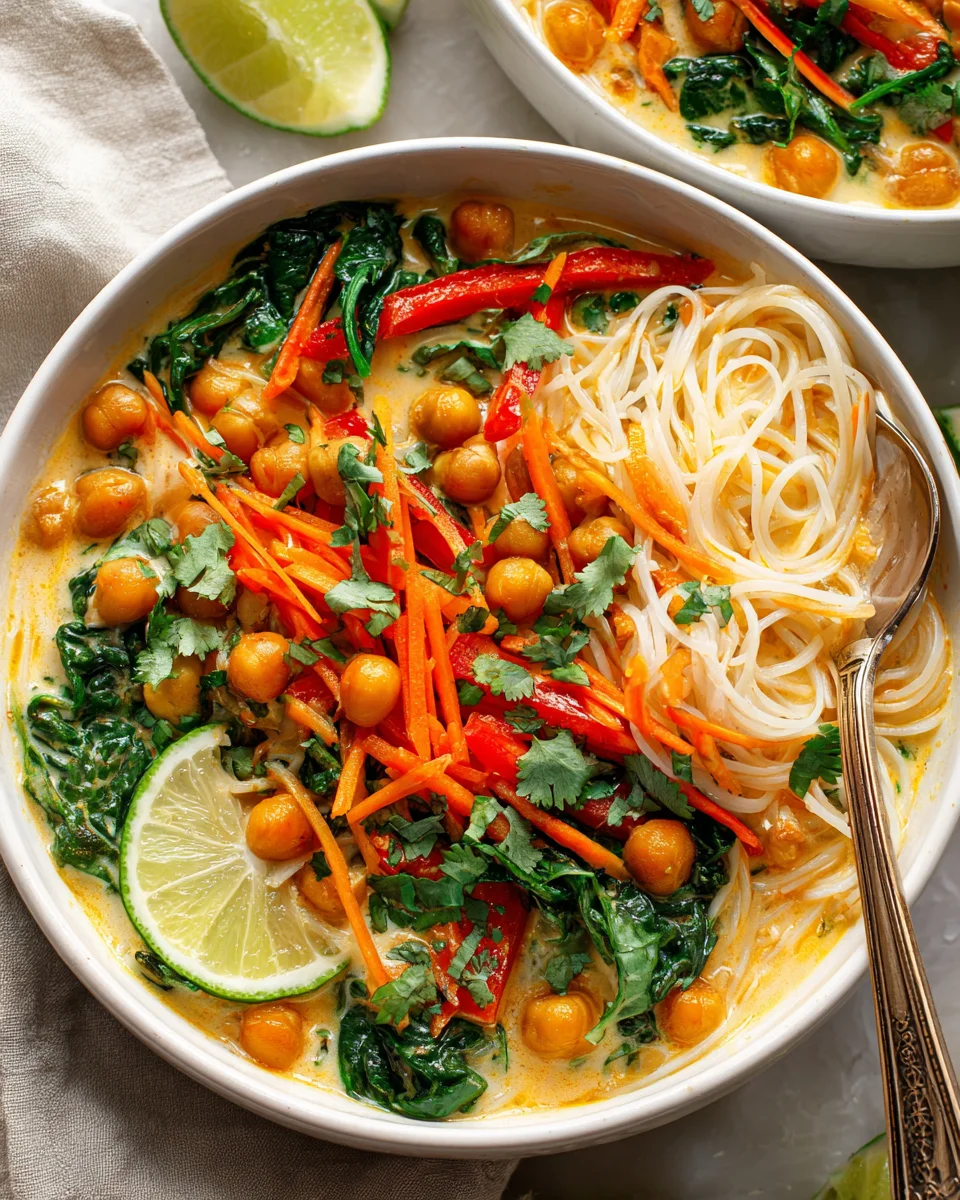
Coconut Curry Chickpea Noodle Bowl – just saying the name out loud brings a smile to my face! I’m so excited to share this recipe with you because it’s truly something special. What makes it so amazing? Imagine a bowl bursting with vibrant flavors: the creamy richness of coconut milk, the warm, aromatic embrace of curry spices, and the hearty satisfaction of tender chickpeas. All of this comes together in a luscious sauce that coats perfectly cooked noodles, creating a dish that feels both wonderfully indulgent and incredibly wholesome.
You’re going to absolutely love this recipe because it’s the ultimate comfort food, elevated. It’s perfect for those busy weeknights when you need something quick, delicious, and deeply nourishing, but also fantastic for a cozy weekend meal when you want to treat yourself to an explosion of flavor. It’s plant-based, incredibly satisfying, and tastes like a warm hug in a bowl. Get ready for a flavorful escape right in your kitchen – I promise, this Coconut Curry Chickpea Noodle Bowl will become an instant favorite!

Ingredient Notes
Crafting a truly spectacular Coconut Curry Chickpea Noodle Bowl begins with understanding the star players and how they contribute to the symphony of flavors and textures. I’m excited to share my go-to choices and some clever substitutions that ensure deliciousness every time.
The Heart of the Bowl: Chickpeas
- Canned Chickpeas: These are my absolute favorite for convenience. Look for organic, low-sodium varieties if you can. Always make sure to drain and rinse them thoroughly to remove excess sodium and any canning liquid, which can sometimes have an off-flavor. Rinsing also helps them absorb the curry flavors better.
- Dried Chickpeas: If you’re feeling ambitious and have more time, cooking dried chickpeas from scratch offers a superior texture – slightly firmer and nuttier. Just remember to soak them overnight and cook them until tender, which usually takes about 1-2 hours in a pot, or significantly less in a pressure cooker.
- Substitutions: Not a chickpea fan, or just want to switch it up? Cannellini beans or even red lentils (cooked until tender but still holding their shape) can work beautifully. For a different protein, pan-fried or baked tofu cubes absorb the curry wonderfully.
The Soul of the Curry: Coconut Milk & Curry Paste
- Full-Fat Coconut Milk: This is non-negotiable for that rich, creamy, and luxurious mouthfeel that defines a good coconut curry. The fat carries the flavors and provides a satisfying base. Don’t be tempted by light coconut milk unless you’re intentionally aiming for a much thinner, less decadent broth; the flavor won’t be as robust.
- Curry Paste (Red or Yellow): I typically reach for a good quality red or yellow curry paste. Red curry paste often offers a vibrant, slightly spicier kick, while yellow tends to be milder and a bit earthier due with turmeric. Read the ingredients to ensure there are no unwanted additives or shrimp paste if you’re keeping it vegan/vegetarian.
- Substitutions: If you don’t have curry paste, a good quality curry powder can be used. You’ll need to bloom it in a little oil with your aromatics to develop its flavor before adding liquids. Start with 1-2 tablespoons of powder and adjust to taste, as powders can vary in potency. For a creamier, less coconut-forward base, a blended cashew cream could work in a pinch, though it will significantly change the flavor profile.
The Noodle Choice: Your Comfort Base
- Rice Noodles: Thin rice vermicelli or wider flat rice noodles are my top picks. They cook quickly and absorb the curry broth beautifully without becoming overly starchy or heavy. They’re also naturally gluten-free.
- Ramen Noodles (without seasoning packet): Instant ramen noodles (discarding the flavor packet) offer a delightfully springy texture and are super fast to cook, making them a great weeknight option.
- Substitutions: Wheat noodles like udon or even spaghetti can be used for a heartier bowl. For a low-carb alternative, spiralized zucchini noodles or sweet potato noodles are fantastic – just add them at the very end to gently warm through so they retain their bite.
Freshness & Flavor Boosters
- Aromatics: Onion, garlic, and fresh ginger are the holy trinity here. They build the foundational flavor of the curry. Don’t skimp!
- Vegetables: Spinach wilts in beautifully at the end, adding color and nutrients. Bell peppers (any color), carrots, or even bok choy are excellent additions.
- Lime Juice: A squeeze of fresh lime at the end is crucial. It brightens the entire dish, cutting through the richness of the coconut milk and elevating all the other flavors.
- Soy Sauce or Tamari: For umami and depth. Use tamari for a gluten-free option.
- Sweetener: A tiny bit of brown sugar or maple syrup balances the spice and acidity. It’s not about making it sweet, but rounding out the flavors.
- Garnish: Fresh cilantro, green onions, and a sprinkle of toasted peanuts or cashews add an essential layer of texture and freshness.
Step-by-Step Instructions
Making this Coconut Curry Chickpea Noodle Bowl is truly a breeze, even for a busy weeknight. I’ve broken it down into simple, manageable steps so you can create a delicious and comforting meal without any fuss.
- Prep Your Ingredients: This is my golden rule for smooth cooking. Drain and rinse your canned chickpeas thoroughly. Chop your onion, mince your garlic and ginger, and slice any bell peppers or other sturdy vegetables you’re using. If cooking dried noodles, get your water boiling now or prepare them according to package directions.
- Sauté the Aromatics: In a large pot or Dutch oven, heat a tablespoon of your preferred cooking oil (like coconut or avocado oil) over medium heat. Add the chopped onion and cook until softened and translucent, about 5-7 minutes. Then, stir in the minced garlic and grated fresh ginger. Cook for another minute until fragrant, being careful not to burn the garlic.
- Bloom the Curry Paste: Add your chosen curry paste (red or yellow) to the pot. Stir it into the aromatics and cook for 1-2 minutes. This step is vital – toasting the curry paste in the hot oil helps release its full aromatic potential and deepens its flavor, preventing a raw taste.
- Add Chickpeas and Vegetables: Stir in the drained and rinsed chickpeas along with any firmer vegetables like sliced bell peppers or carrots. Cook for 2-3 minutes, allowing them to mingle with the curry paste and absorb some of the initial flavors.
- Simmer the Curry Base: Pour in the full-fat coconut milk and vegetable broth. Give everything a good stir to combine. Bring the mixture to a gentle simmer, then reduce the heat to low, cover, and let it cook for about 10-15 minutes. This allows the flavors to meld beautifully and the vegetables to become tender-crisp.
- Cook the Noodles: While the curry is simmering, cook your chosen noodles according to package directions. If using rice noodles, they often just need to be soaked in hot water for a few minutes until tender. Drain them well and set aside. I prefer to cook them separately to prevent them from soaking up too much broth or becoming mushy if stored.
- Finish the Curry: Once the curry base has simmered, stir in the fresh spinach. It will wilt down quickly. Add the soy sauce (or tamari), lime juice, and a touch of brown sugar or maple syrup. Taste and adjust the seasonings – you might want more lime for brightness, more soy sauce for umami, or a pinch more sugar to balance the spice.
- Assemble and Serve: Divide the cooked noodles among serving bowls. Ladle a generous amount of the coconut curry chickpea mixture over the noodles. Garnish with fresh cilantro, sliced green onions, and a sprinkle of toasted peanuts or cashews for added crunch. Serve immediately and enjoy!
Tips & Suggestions
I’ve made this Coconut Curry Chickpea Noodle Bowl countless times, and over the years, I’ve picked up a few tricks that really elevate it. These suggestions are all about making your bowl perfectly suited to your taste and making the cooking experience even more enjoyable.
- Adjusting the Spice Level: If you love heat, feel free to add a pinch of red pepper flakes with the curry paste, or a dash of your favorite chili oil or Sriracha at the end. For a milder curry, use less curry paste initially and taste before adding more. You can always add heat, but it’s harder to take it away!
- Boosting the Veggies: This dish is incredibly versatile. Don’t hesitate to raid your fridge for other vegetables. Broccoli florets, sliced zucchini, snap peas, or even mushrooms would be wonderful additions. Add heartier vegetables like broccoli or carrots with the chickpeas so they have enough time to cook through, and softer ones like zucchini or snap peas in the last 5 minutes of simmering.
- Noodle Perfection: Don’t overcook your noodles! Al dente is key, especially if you anticipate having leftovers, as they’ll soften further upon reheating. For rice noodles, pay close attention to the package instructions, as they can go from perfectly chewy to mushy in a blink.
- The Power of Fresh Herbs: Fresh cilantro and green onions are more than just a garnish; they add a burst of freshness and aroma that brightens the entire dish. Don’t skip them if you can help it! A few fresh basil leaves torn over the top can also be surprisingly delicious.
- Sweet and Sour Balance: The balance of sweet, sour, salty, and spicy is what makes a great curry. Always taste your curry before serving and adjust. A little extra lime juice can make a huge difference in brightening up a dish that feels a bit flat. Similarly, a tiny pinch of sugar can temper harshness and round out the flavors beautifully.
- For a Heartier Bowl: While chickpeas provide plenty of protein, if you’re looking for even more substance, consider adding some pan-fried tofu cubes or tempeh. Cook them separately until golden brown and then stir them into the finished curry.
- Meal Prep Savvy: This recipe is fantastic for meal prepping! I recommend storing the noodles separately from the curry base. This prevents the noodles from becoming waterlogged or mushy. When ready to eat, simply reheat the curry and add it to a fresh portion of noodles, or quickly cook a new batch.
Storage
One of the best things about this Coconut Curry Chickpea Noodle Bowl is how well it stores, making it a fantastic option for meal prep or enjoying delicious leftovers. However, there are a few tips I’ve learned to ensure it stays as fresh and tasty as possible.
- Refrigeration:
- Separate Storage (Recommended): For the best texture, I always recommend storing the curry broth and the cooked noodles separately in airtight containers in the refrigerator. The curry base will last for 3-4 days. Cooked noodles, when stored separately, will also last 3-4 days. This method prevents the noodles from soaking up too much liquid and becoming overly soft or mushy.
- Combined Storage: If you’ve already combined the noodles with the curry, or if you’re not overly concerned about the noodle texture, the complete dish can be stored in an airtight container in the refrigerator for up to 2-3 days. Just be aware that the noodles will soften considerably over time.
- Freezing:
- Curry Base Only: The coconut curry broth with the chickpeas and vegetables freezes exceptionally well. Allow the curry to cool completely, then transfer it to freezer-safe airtight containers or heavy-duty freezer bags. It can be stored in the freezer for up to 2-3 months. Thaw overnight in the refrigerator before reheating.
- Noodles: I generally do not recommend freezing the cooked noodles, especially rice noodles, as they tend to become very mushy and lose their desirable texture upon thawing and reheating. It’s much better to cook fresh noodles when you’re ready to enjoy the thawed curry base.
- Reheating:
- Curry Base: Gently reheat the curry base on the stovetop over medium-low heat, stirring occasionally, until it’s warmed through. You might need to add a splash of vegetable broth or water if it has thickened too much in the fridge.
- Noodles: If you stored them separately, you can quickly refresh the cooked noodles by pouring a little hot water over them in a colander, or briefly tossing them in a hot pan with a tiny bit of oil. If reheating combined leftovers, warm the entire bowl gently in the microwave or on the stovetop, again, adding a little liquid if needed.
- Fresh Garnish: Always add fresh garnishes like cilantro, green onions, and nuts right before serving, even with leftovers, for that essential burst of freshness and crunch.
Final Thoughts
And there you have it! I genuinely believe this Coconut Curry Chickpea Noodle Bowl is a recipe you’ll want to keep in your rotation. It’s truly more than just a quick meal; it’s a vibrant explosion of creamy, aromatic flavors that come together in a wonderfully comforting bowl. I just adore how the rich coconut milk blends with the fragrant curry spices, perfectly coating those tender chickpeas and satisfying noodles. This Coconut Curry Chickpea Noodle Bowl offers a fantastic balance of hearty goodness and refreshing zest, making it ideal for a cozy night in or a bright, energizing lunch. Trust me, once you taste this incredible combination, you’ll understand why it’s a must-try. I hope you enjoy every single spoonful!
Creamy Coconut Curry Chickpea Noodle Bowl – Easy Vegan Dinner

This Coconut Curry Chickpea Noodle Bowl is a vibrant explosion of creamy, aromatic flavors that come together in a wonderfully comforting bowl. It’s perfect for busy weeknights or a cozy weekend meal, offering a satisfying and nourishing plant-based dish.
- Prep Time: 15 mins
- Cook Time: 30 mins
- Total Time: 45 minutes
- Yield: 4 servings
- Category: Dinner
- Method: Stovetop
- Cuisine: Vegan
Ingredients
- Canned Chickpeas
- Dried Chickpeas
- Full-Fat Coconut Milk
- Curry Paste (Red or Yellow)
- Rice Noodles
- Ramen Noodles (without seasoning packet)
- Onion
- Garlic
- Fresh Ginger
- Spinach
- Bell Peppers (any color)
- Carrots
- Bok Choy
- Lime Juice
- Soy Sauce or Tamari
- Brown Sugar or Maple Syrup
- Fresh Cilantro
- Green Onions
- Toasted Peanuts or Cashews
Instructions
- Prep Your Ingredients: Drain and rinse your canned chickpeas thoroughly. Chop your onion, mince your garlic and ginger, and slice any bell peppers or other sturdy vegetables you're using. If cooking dried noodles, get your water boiling now or prepare them according to package directions.
- Sauté the Aromatics: In a large pot or Dutch oven, heat a tablespoon of your preferred cooking oil (like coconut or avocado oil) over medium heat. Add the chopped onion and cook until softened and translucent, about 5-7 minutes. Then, stir in the minced garlic and grated fresh ginger. Cook for another minute until fragrant, being careful not to burn the garlic.
- Bloom the Curry Paste: Add your chosen curry paste (red or yellow) to the pot. Stir it into the aromatics and cook for 1-2 minutes.
- Add Chickpeas and Vegetables: Stir in the drained and rinsed chickpeas along with any firmer vegetables like sliced bell peppers or carrots. Cook for 2-3 minutes.
- Simmer the Curry Base: Pour in the full-fat coconut milk and vegetable broth. Give everything a good stir to combine. Bring the mixture to a gentle simmer, then reduce the heat to low, cover, and let it cook for about 10-15 minutes.
- Cook the Noodles: While the curry is simmering, cook your chosen noodles according to package directions. Drain them well and set aside.
- Finish the Curry: Once the curry base has simmered, stir in the fresh spinach. Add the soy sauce (or tamari), lime juice, and a touch of brown sugar or maple syrup. Taste and adjust the seasonings.
- Assemble and Serve: Divide the cooked noodles among serving bowls. Ladle a generous amount of the coconut curry chickpea mixture over the noodles. Garnish with fresh cilantro, sliced green onions, and a sprinkle of toasted peanuts or cashews. Serve immediately.
Nutrition
- Serving Size: 1 bowl
- Calories: 450
- Sugar: 5 g
- Sodium: 600 mg
- Fat: 20 g
- Saturated Fat: 10 g
- Unsaturated Fat: 8 g
- Trans Fat: 0 g
- Carbohydrates: 60 g
- Fiber: 12 g
- Protein: 15 g
- Cholesterol: 0 mg
Keywords: Adjust the spice level by adding red pepper flakes or chili oil for heat. Feel free to add more vegetables based on what you have on hand, and remember to store noodles separately from the curry for best texture.