Asian Mango Chicken
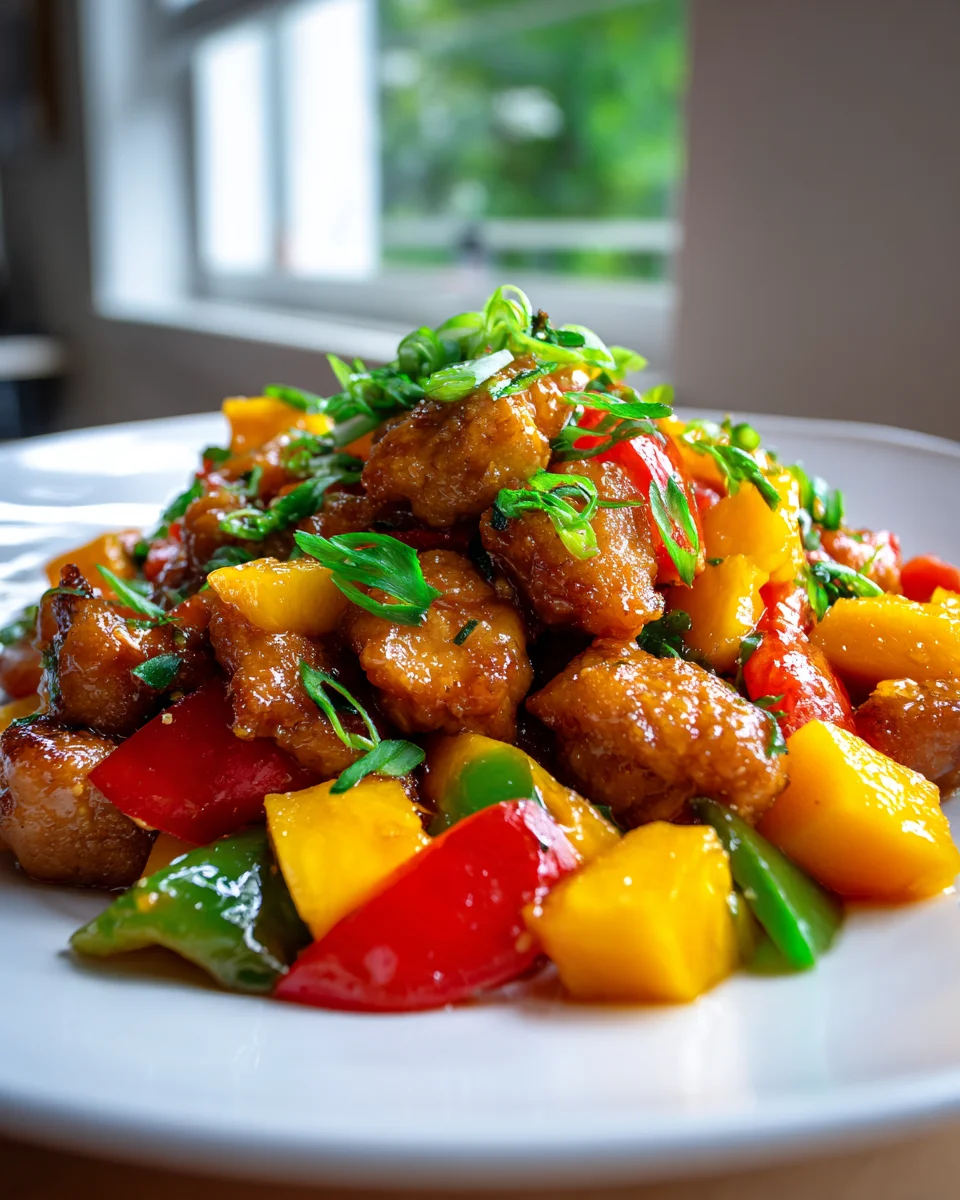
Oh boy, do I have a treat for you today! Get ready to fall head over heels for my Asian Mango Chicken. This isn’t just another weeknight meal; it’s a vibrant explosion of flavors that will transport your taste buds straight to a tropical paradise, all from the comfort of your own kitchen. What makes this dish so incredibly special, you ask? It’s the magical marriage of succulent, tender chicken pieces bathed in a luscious, sticky-sweet, and subtly tangy sauce bursting with fresh mango goodness. Think juicy, ripe mangoes combined with savory Asian seasonings, creating a glaze that’s simply irresistible.
You’re going to absolutely adore this recipe because it’s a total game-changer. It’s incredibly easy to whip up, making it perfect for busy evenings when you crave something extraordinary without all the fuss. Plus, it’s a guaranteed crowd-pleaser – even picky eaters tend to light up at the sight of its sunny color and the first taste of that amazing mango sauce. Imagine tender chicken, possibly pan-fried or baked, enrobed in that glorious golden sauce, perhaps with a hint of ginger and garlic, and served over a bed of fluffy rice. It’s fresh, it’s flavorful, and it’s a fantastic way to brighten up any meal. Trust me, once you try this Asian Mango Chicken, it’ll be on your regular rotation!

Ingredient Notes
Crafting delicious Asian Mango Chicken starts with selecting the right components. I always find that high-quality ingredients truly shine through in this dish, creating a vibrant and balanced flavor profile that’s both sweet and savory with a delightful hint of tang.
The Stars of the Show: Chicken and Mango
- Chicken: For this recipe, I absolutely love using boneless, skinless chicken thighs. Their inherent tenderness and juiciness hold up beautifully to stir-frying and absorb the sauce wonderfully. If you prefer a leaner option, boneless, skinless chicken breast works too; just be careful not to overcook it, as it can dry out more quickly. Cut your chicken into bite-sized pieces, about 1-inch cubes, for even cooking.
- Mango: This is where the magic happens! You’ll want perfectly ripe, but still firm, mangoes. Ripe mangoes will have a lovely tropical fragrance and a slight give when gently squeezed. Avoid overly soft or mushy mangoes, as they’ll break down too much during cooking. Unripe mangoes will be too tart and lack the signature sweetness. I typically use a sturdy variety like Ataulfo (honey mango) or Tommy Atkins. Peel and dice the mango into 1/2-inch to 3/4-inch pieces. Fresh is always best here; while frozen mango can be used in a pinch, it might release more water and alter the final texture slightly.
The Flavor Foundation: Asian Essentials
- Soy Sauce: A good quality low-sodium soy sauce is my go-to. It provides that essential umami and saltiness without making the dish overly salty. If you’re gluten-intolerant, tamari is an excellent gluten-free alternative that delivers the same depth of flavor.
- Fresh Ginger & Garlic: These aromatic powerhouses are non-negotiable for an authentic Asian flavor. Always use fresh, finely minced ginger and garlic for the best results. The pre-minced jarred versions just don’t offer the same pungency and zing.
- Rice Vinegar: This adds a crucial touch of acidity and brightness, balancing the sweetness of the mango and other rich flavors. Don’t skip it!
- Sesame Oil: Toasted sesame oil is a finishing oil; a small drizzle at the very end imparts a wonderfully nutty aroma and depth.
- Sweetener: I use a touch of brown sugar or honey to enhance the mango’s natural sweetness and help caramelize the sauce. Adjust to your preference.
- Chili-Garlic Sauce or Sriracha (Optional): For a little kick, I often add a teaspoon or two of chili-garlic sauce. It introduces a lovely warmth without being overwhelmingly spicy. Adjust to your desired heat level, or omit entirely if you prefer a mild dish.
- Cornstarch: This is my secret weapon for creating that luscious, glossy sauce. Mixed with a bit of water (a slurry), it thickens the sauce perfectly.
- Non-Alcoholic Alternative: Instead of traditional cooking wine, I recommend using a splash of chicken broth or a little extra rice vinegar to deglaze the pan and add complexity without any alcohol.
Veggies for Color and Crunch
- Bell Peppers: Red and yellow bell peppers add beautiful color, a touch of sweetness, and a satisfying crunch. Green bell peppers can be a bit more bitter, so I tend to avoid them here.
- Onion: A small yellow or white onion, sliced, adds another layer of aromatic sweetness.
- Other Options: Feel free to experiment with other quick-cooking vegetables like snow peas, broccoli florets, or even snap peas. Add them in during the last few minutes of cooking so they retain their crispness.
Step-by-Step Instructions
Let’s get cooking! This Asian Mango Chicken comes together quite quickly, especially if you have all your ingredients prepped and ready. I find that the key to any good stir-fry is having everything measured and chopped before you even turn on the heat. This way, you can move efficiently and prevent anything from overcooking.
Step 1: Prep Your Ingredients
- First, I like to cut my chicken: Dice the boneless, skinless chicken thighs (or breast) into 1-inch bite-sized pieces. Pat them dry with paper towels – this helps achieve a nice sear.
- Next, I tackle the mango: Carefully peel your ripe mangoes and cut the flesh away from the pit. Dice the mango into 1/2-inch to 3/4-inch pieces. Set aside.
- Then, the veggies: Slice your bell peppers and onion into thin strips or bite-sized pieces. Mince your fresh ginger and garlic.
- Finally, the sauce: In a small bowl, I whisk together the soy sauce, rice vinegar, brown sugar (or honey), chicken broth (or water), and chili-garlic sauce (if using). In a separate tiny bowl, I combine the cornstarch with 2 tablespoons of cold water to create a slurry. Have both ready to go!
Step 2: Cook the Chicken
- Heat a large skillet or wok over medium-high heat. Add 1 tablespoon of cooking oil (like vegetable or canola oil).
- Once the oil is shimmering, add the chicken pieces in a single layer, making sure not to overcrowd the pan. If necessary, work in batches to ensure the chicken gets a good sear rather than steaming.
- Cook for 3-4 minutes per side, until the chicken is golden brown and cooked through. It doesn’t need to be perfectly cooked yet, as it will finish cooking in the sauce.
- Remove the chicken from the skillet and set it aside on a clean plate.
Step 3: Sauté Aromatics and Vegetables
- Add another teaspoon of oil to the same skillet if needed.
- Toss in the minced ginger and garlic. Stir-fry for about 30 seconds until fragrant – be careful not to burn them!
- Add the sliced bell peppers and onions to the skillet. Stir-fry for 3-5 minutes, until the vegetables are tender-crisp. I like them with a little bite, so I don’t overcook them.
Step 4: Combine and Thicken the Sauce
- Return the cooked chicken to the skillet with the vegetables.
- Give the prepared sauce mixture a quick whisk again (just in case anything settled) and pour it over the chicken and vegetables. Stir to combine everything.
- Bring the sauce to a gentle simmer.
- Once simmering, stir the cornstarch slurry one last time and slowly pour it into the simmering sauce while stirring constantly. The sauce will begin to thicken almost immediately. Continue stirring for 1-2 minutes until the sauce is glossy and coats the back of a spoon.
Step 5: Add Mango and Serve
- Remove the skillet from the heat. Gently fold in the diced fresh mango. I add it at the very end to prevent it from getting too mushy and to preserve its fresh, sweet flavor.
- Drizzle with a teaspoon of toasted sesame oil for that irresistible nutty aroma.
- Serve your glorious Asian Mango Chicken immediately over fluffy steamed jasmine rice, brown rice, or even noodles. Sometimes I sprinkle with a few sesame seeds and chopped green onions for garnish. Enjoy!
Tips & Suggestions
I’ve made Asian Mango Chicken countless times, and over the years, I’ve picked up a few tricks that really elevate this dish. Here are my top tips and some serving suggestions to make your meal truly special:
Mastering the Mango
- Mango Ripeness is Key: I cannot stress this enough – the success of this dish heavily relies on the quality of your mangoes. A perfectly ripe mango will be sweet and fragrant, providing that essential tropical flavor. Too green, and it will be sour and hard; too ripe, and it will turn mushy in the sauce. Aim for a mango that has a slight give when gently pressed but isn’t overly soft.
- Add Mango Last: To maintain the mango’s beautiful texture and fresh flavor, I always add it right at the very end of cooking, after the sauce has thickened and the heat is off. This prevents it from disintegrating into the sauce and keeps it vibrant.
Cooking Perfection
- Don’t Overcrowd the Pan: This is a golden rule for stir-frying! If you add too much chicken or too many vegetables to your skillet at once, the temperature will drop, and everything will steam instead of sear. This results in pale, watery ingredients rather than beautifully browned ones. Work in batches if necessary – it’s worth the extra minute!
- High Heat, Quick Cooking: Asian-style cooking often benefits from high heat and quick cooking. This technique helps to caramelize the chicken and keep the vegetables crisp-tender. Have all your ingredients prepped and ready before you start, so you can move swiftly.
- Taste and Adjust: Always taste your sauce before adding the cornstarch slurry and again at the very end. You might want a little more sweetness, a touch more tang, or an extra dash of chili-garlic sauce. Cooking is all about personal preference, so feel free to adjust to your liking!
Enhancements & Variations
- Spice Level: If you love heat, don’t be shy with the chili-garlic sauce or a pinch of red pepper flakes. If you prefer a milder dish, simply omit it.
- Add More Veggies: This dish is incredibly versatile! Feel free to toss in other quick-cooking vegetables like snow peas, broccoli florets, baby corn, or water chestnuts for added crunch and nutrition. Add them along with the bell peppers and onions, or slightly earlier if they need more time.
- Garnish for Flair: A sprinkle of toasted sesame seeds, chopped green onions, or even fresh cilantro adds a lovely finish, both visually and in terms of flavor.
Serving Suggestions
- Classic Pairing: My favorite way to serve Asian Mango Chicken is over a bed of fluffy steamed jasmine rice. The rice soaks up all that delicious sauce beautifully.
- Noodle Fun: It also pairs wonderfully with thin rice noodles or even lo mein noodles for a heartier meal.
- Low-Carb Option: For a low-carb alternative, serve it over cauliflower rice or alongside a simple green salad.
Storage
I find that Asian Mango Chicken is often best enjoyed fresh, right after it’s made, when the mango is still vibrant and the vegetables are perfectly crisp-tender. However, I know life gets busy, and sometimes you need to save leftovers. Here’s how I recommend storing and reheating this delicious dish:
Refrigeration
- Cool Completely: Before storing, I always allow the Asian Mango Chicken to cool down to room temperature. This helps prevent condensation from forming inside the container, which can lead to sogginess.
- Airtight Container: Transfer the cooled chicken and sauce into an airtight container. This helps to maintain its freshness and prevents other odors in your refrigerator from affecting its flavor.
- Shelf Life: Stored properly in the refrigerator, it will typically last for 3-4 days. The mango might soften a bit more over time, but the flavors will still be delicious.
Freezing
- Not Ideal for Mango: While you technically can freeze this dish, I generally don’t recommend freezing it with the mango included. Mango has a high water content, and when frozen and then thawed, it tends to become very mushy and lose its pleasant texture.
- Freezing Without Mango: If you want to prepare ahead or store for longer, I suggest freezing the chicken and sauce without the mango. Simply prepare the recipe up to the point of adding the mango, then let it cool completely. Transfer to a freezer-safe airtight container or heavy-duty freezer bag. It can be frozen for up to 2-3 months.
- Reheating Frozen (without mango): When ready to enjoy, thaw the frozen chicken and sauce overnight in the refrigerator. Reheat gently on the stovetop or in the microwave until hot. Then, stir in freshly diced mango before serving.
Reheating
- Stovetop (Recommended): For the best results, I prefer reheating Asian Mango Chicken on the stovetop. Place the leftovers in a skillet over medium-low heat. Add a tablespoon or two of water or chicken broth to help loosen the sauce and prevent it from drying out. Stir occasionally until heated through. This method helps the chicken retain its tenderness and the sauce its glossy texture.
- Microwave: If you’re in a hurry, you can reheat individual portions in the microwave. Place the chicken in a microwave-safe dish, cover loosely (to prevent splatters and retain moisture), and heat in 1-minute intervals, stirring in between, until piping hot. Be mindful that the chicken might become slightly tougher and the mango a bit softer compared to stovetop reheating.
- Revitalize the Dish: Sometimes, I find that reheating can mute the flavors slightly. After reheating, a fresh squeeze of lime juice, a tiny drizzle of fresh soy sauce, or a sprinkle of fresh cilantro or green onions can really brighten the dish back up!
Final Thoughts
And there you have it! I truly hope you’ll give this incredible Asian Mango Chicken a try. It’s more than just a meal; it’s a delightful culinary experience that brightens any table. The tender chicken, the vibrant sweetness of the mango, and that perfectly balanced savory sauce all come together in a symphony of flavors that is absolutely irresistible. I find that this Asian Mango Chicken is not only impressive enough for guests, but also wonderfully comforting for a weeknight treat. Trust me, once you taste how all these delicious elements combine, you’ll understand why this recipe is truly a must-try for anyone looking to add a burst of sunshine to their cooking. Enjoy!
Asian Mango Chicken: Sweet, Tangy & Easy Dinner

Experience a vibrant explosion of flavors with this Asian Mango Chicken, featuring succulent chicken pieces in a luscious mango sauce. Perfect for busy evenings, this dish is a guaranteed crowd-pleaser that will brighten up any meal.
- Prep Time: 15 mins
- Cook Time: 20 mins
- Total Time: 35 minutes
- Yield: 4 servings 1x
- Category: Dinner
- Method: Stir-frying
- Cuisine: Asian
Ingredients
- 1 lb boneless, skinless chicken thighs (or breast), cut into 1-inch cubes
- 2 ripe mangoes, diced into 1/2-inch to 3/4-inch pieces
- 1/4 cup low-sodium soy sauce
- 2 tablespoons rice vinegar
- 2 tablespoons brown sugar (or honey)
- 1/4 cup chicken broth (or water)
- 1–2 teaspoons chili-garlic sauce (optional)
- 1 tablespoon cornstarch
- 2 tablespoons cold water
- 1 tablespoon cooking oil (vegetable or canola)
- 1 teaspoon toasted sesame oil
- 1 red bell pepper, sliced
- 1 yellow bell pepper, sliced
- 1 small yellow or white onion, sliced
- 2 cloves fresh garlic, minced
- 1 tablespoon fresh ginger, minced
Instructions
- Dice the boneless, skinless chicken thighs (or breast) into 1-inch bite-sized pieces and pat them dry with paper towels.
- Peel the ripe mangoes and cut the flesh away from the pit. Dice the mango into 1/2-inch to 3/4-inch pieces and set aside.
- Slice the bell peppers and onion into thin strips or bite-sized pieces. Mince the fresh ginger and garlic.
- In a small bowl, whisk together the soy sauce, rice vinegar, brown sugar (or honey), chicken broth (or water), and chili-garlic sauce (if using).
- In a separate tiny bowl, combine the cornstarch with 2 tablespoons of cold water to create a slurry.
- Heat a large skillet or wok over medium-high heat and add 1 tablespoon of cooking oil.
- Once the oil is shimmering, add the chicken pieces in a single layer and cook for 3-4 minutes per side until golden brown and cooked through. Remove the chicken from the skillet and set aside.
- Add another teaspoon of oil to the same skillet if needed. Toss in the minced ginger and garlic and stir-fry for about 30 seconds until fragrant.
- Add the sliced bell peppers and onions to the skillet and stir-fry for 3-5 minutes until the vegetables are tender-crisp.
- Return the cooked chicken to the skillet with the vegetables. Pour the prepared sauce mixture over the chicken and vegetables and stir to combine.
- Bring the sauce to a gentle simmer. Stir the cornstarch slurry one last time and slowly pour it into the simmering sauce while stirring constantly until the sauce thickens.
- Remove the skillet from the heat and gently fold in the diced fresh mango. Drizzle with a teaspoon of toasted sesame oil.
- Serve the Asian Mango Chicken immediately over fluffy steamed jasmine rice, brown rice, or noodles.
Nutrition
- Serving Size: 1 bowl
- Calories: 350
- Sugar: 20 g
- Sodium: 600 mg
- Fat: 10 g
- Saturated Fat: 1 g
- Unsaturated Fat: 8 g
- Trans Fat: 0 g
- Carbohydrates: 40 g
- Fiber: 3 g
- Protein: 25 g
- Cholesterol: 70 mg
Keywords: Ensure the mangoes are perfectly ripe for the best flavor. Adjust the sweetness and spice level to your preference, and feel free to add more quick-cooking vegetables for added nutrition.