
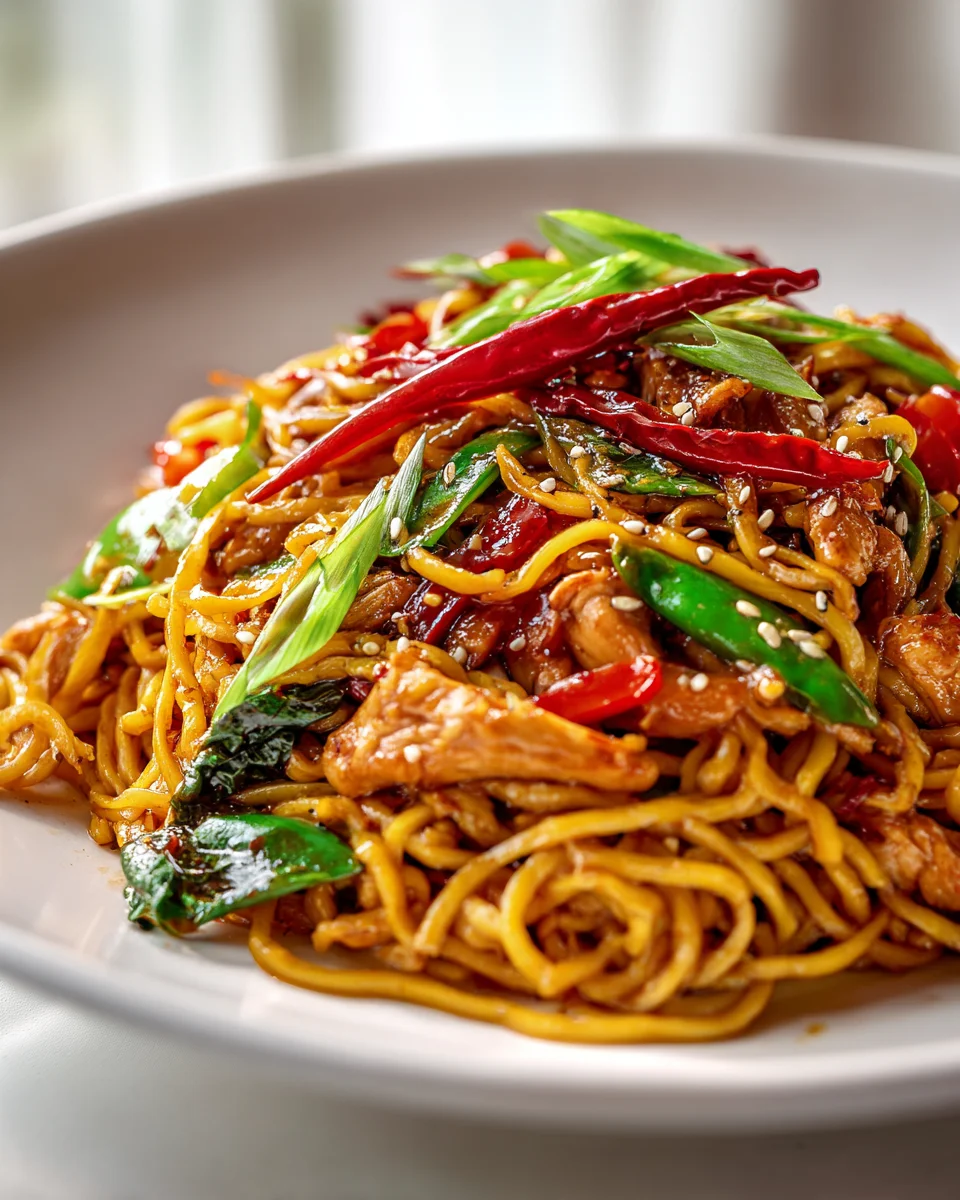
Spicy Szechuan Chicken Chow Mein (bold Heat)
Hello, fellow flavor adventurers! Are you ready for a culinary journey that will awaken every single one of your taste buds? Because today, I am absolutely thrilled to share my recipe for Spicy Szechuan Chicken Chow Mein (bold Heat). This isn’t just any chow mein; it’s a vibrant, electrifying celebration of authentic Szechuan flavors that truly delivers on its promise of “bold heat.”
What makes this dish so incredibly special, you ask? It’s all about that unmistakable Szechuan kick. We’re talking beyond just spicy – imagine a captivating dance of fragrant chili, aromatic spices, and that signature tingly, numbing sensation from Szechuan peppercorns that makes your mouth hum with delight. Paired with tender pieces of succulent chicken, an abundance of colorful, crisp-tender vegetables, and perfectly chewy noodles tossed in a rich, savory sauce, every single forkful is an adventure.
You are absolutely going to love this recipe because it brings the authentic, complex flavors of your favorite Szechuan restaurant right into your kitchen. Say goodbye to takeout cravings and hello to a homemade masterpiece that’s incredibly satisfying, deeply flavorful, and shockingly easy to prepare. It’s the perfect blend of comforting noodle dish and exhilarating spicy meal, making it an ideal choice for a weeknight dinner that feels like a special treat. Get ready to experience chow mein like never before – full of bold flavor, exciting textures, and a warmth that truly lights up your palate!
Ingredient Notes
Creating an authentic and truly bold ‘Spicy Szechuan Chicken Chow Mein’ means paying close attention to a few key ingredients that deliver that signature numbing heat and complex flavor profile. Don’t skimp on these if you want the real deal!
- Chow Mein Noodles: For the best texture, I always recommend fresh or dried thin egg noodles specifically labeled for chow mein. They have that perfect chewiness and absorb the sauce beautifully. If you can’t find them, regular thin spaghetti or linguine can work in a pinch, just be sure to boil them al dente and give them a quick rinse and toss with a little oil to prevent sticking.
- Chicken Thighs: I prefer using boneless, skinless chicken thighs for this dish. They stay incredibly tender and juicy during high-heat stir-frying, absorbing all those fantastic Szechuan flavors. If you prefer, chicken breast can be used, but slice it thinly against the grain to keep it from drying out. For a delicious alternative, you can certainly swap the chicken for thinly sliced beef sirloin or flank steak, just make sure to marinate it similarly for tenderness.
- Szechuan Peppercorns: This is non-negotiable for Szechuan cuisine! Szechuan peppercorns (hua jiao) provide the unique “ma la” sensation – a tingling, numbing heat that sets this dish apart. Toasting them briefly before grinding them fresh truly unlocks their aromatic power. Don’t worry, it’s not painful, just wonderfully stimulating.
- Dried Red Chilies: To achieve that ‘bold heat’, dried red chilies are essential. I typically use a mix of Chinese dried chilies like Er Jing Tiao or Facing Heaven chilies, as they offer both heat and a lovely smoky aroma. Adjust the quantity to your personal spice tolerance, but remember, we’re aiming for bold heat here!
- Szechuan Chili Bean Paste (Doubanjiang): This fermented broad bean and chili paste is the soul of Szechuan cooking. It adds incredible depth, umami, and a savory spiciness. Look for it in Asian grocery stores; Pixian Doubanjiang is often considered the gold standard. There isn’t a direct substitute that captures its unique fermented flavor, so I highly recommend seeking it out.
- Aromatics: Fresh ginger, garlic, and scallions form the aromatic base. Don’t be shy with these; they contribute immensely to the overall flavor complexity.
- Sauce Components: My sauce relies on a blend of light soy sauce (for saltiness), dark soy sauce (for color and a touch of sweetness), a non-alcoholic rice vinegar alternative (like apple cider vinegar or white vinegar mixed with a pinch of sugar for tang), a touch of sugar to balance the heat, and cornstarch for thickening. For a non-alcoholic substitute for traditional Chinese rice wine (Shaoxing wine), I use chicken or vegetable broth or a non-alcoholic mirin alternative, which still adds a layer of depth without the alcohol.
- Vegetables: I love including crisp vegetables like shredded cabbage, julienned carrots, sliced bell peppers (red or green), and crunchy bean sprouts. They add texture, freshness, and a pop of color. Feel free to customize with your favorites like snow peas, broccoli florets, or bok choy.
Step-by-Step Instructions
Get ready to unleash some serious Szechuan magic in your kitchen! The key to a fantastic chow mein is quick cooking over high heat, so have all your ingredients prepped and ready before you start.
- Prep Your Ingredients: This is critical for stir-fries.
- Marinate Chicken: Slice your chicken thighs into thin strips. In a medium bowl, combine the chicken with 1 tablespoon of light soy sauce, 1 teaspoon of a non-alcoholic rice wine substitute (like chicken broth), ½ teaspoon of sugar, and 1 teaspoon of cornstarch. Mix well and set aside for at least 15-20 minutes while you prep everything else.
- Cook Noodles: Bring a large pot of water to a rolling boil. Add your chow mein noodles and cook according to package directions until just al dente (a minute or two less than fully cooked, as they’ll cook more in the wok). Drain immediately, rinse with cold water to stop cooking, and toss with a tablespoon of sesame oil to prevent sticking. Set aside.
- Make the Sauce: In a small bowl, whisk together 2 tablespoons of light soy sauce, 1 tablespoon of dark soy sauce, 1 tablespoon of non-alcoholic rice vinegar substitute, 1 teaspoon of sugar, ½ teaspoon of ground Szechuan peppercorns, and 2 tablespoons of chicken or vegetable broth. Stir well and set aside.
- Chop Aromatics & Veggies: Mince your ginger and garlic. Slice your scallions, separating the white and green parts. Shred your cabbage and carrots, and slice your bell peppers.
- Toast Szechuan Peppercorns & Chilies: Heat a dry wok or large skillet over medium heat. Add 1 tablespoon of whole Szechuan peppercorns and about 10-15 dried red chilies (stems removed, and you can break them in half for more heat). Toast for 1-2 minutes until fragrant. Remove half of the peppercorns and chilies (set aside to add back later for an extra kick), then add 1 tablespoon of cooking oil to the wok.
- Cook Chicken: Increase heat to high. Add the marinated chicken to the wok in a single layer, spreading it out. Let it sear undisturbed for about 1-2 minutes until browned, then stir-fry until mostly cooked through. Remove the chicken from the wok and set aside.
- Aromatic Base: Add another tablespoon of oil to the hot wok if needed. Add the minced ginger, garlic, and the white parts of the scallions. Stir-fry for about 30 seconds until fragrant.
- Build the Flavor: Add 2 tablespoons of Szechuan chili bean paste (doubanjiang) to the wok. Stir-fry for 1 minute, allowing it to cook out and release its aroma. This is where a lot of that bold Szechuan flavor comes from!
- Stir-fry Vegetables: Add the shredded cabbage, carrots, and bell peppers to the wok. Stir-fry for 2-3 minutes until they start to soften but still retain some crunch.
- Combine & Toss: Return the cooked chicken to the wok. Add the cooked noodles and the prepared sauce. Using tongs, toss everything vigorously for 2-3 minutes, ensuring the noodles are fully coated and heated through. Add the bean sprouts and the reserved toasted Szechuan peppercorns and chilies, tossing for another minute.
- Serve Immediately: Garnish with the green parts of the scallions. Serve your ‘Spicy Szechuan Chicken Chow Mein (bold Heat)’ piping hot and enjoy!
Tips & Suggestions
To truly master your ‘Spicy Szechuan Chicken Chow Mein (bold Heat)’ and elevate it to restaurant quality, here are a few of my favorite tips:
- Wok Hei is Key: For that smoky, charred flavor (known as “wok hei”), use a well-seasoned wok over the highest heat possible. Make sure your wok is screaming hot before you add any oil or ingredients. Don’t overcrowd the wok; if you’re making a large batch, cook in smaller portions.
- Mise en Place is Your Best Friend: Seriously, chop everything, measure everything, and have it all within arm’s reach before you even turn on the stove. Stir-frying is fast, and you won’t have time to chop garlic once the oil is hot.
- Adjust the Heat to Your Liking: I’ve designed this for “bold heat,” but you are the chef! For more heat, add more dried chilies or even a dash of chili oil at the end. For less, reduce the number of chilies. The Szechuan peppercorns are essential for the flavor profile, but you can also adjust their quantity if you’re sensitive to the numbing sensation.
- Perfect Noodle Texture: Don’t overcook your noodles initially. They should be just past al dente because they will continue to cook when tossed with the sauce in the hot wok. Rinsing with cold water is crucial to stop them from cooking and remove excess starch.
- Protein Versatility: While chicken is fantastic, remember you can easily swap it out for beef, shrimp, tofu, or even a mix of mushrooms for a vegetarian option. Just adjust cooking times accordingly.
- Vegetable Variety: Feel free to experiment with other quick-cooking vegetables. Broccoli florets, snap peas, bok choy, or even sliced mushrooms can be wonderful additions. Just add them according to their cooking time, tougher vegetables first.
- Aromatic Infusion: For an extra layer of flavor, you can lightly crush the Szechuan peppercorns and dried chilies with the side of a knife before toasting them. This releases even more of their aromatic oils.
Storage
While ‘Spicy Szechuan Chicken Chow Mein (bold Heat)’ is definitely best enjoyed fresh off the wok, sometimes you have leftovers, and that’s perfectly fine! Here’s how I handle storing and reheating this delicious dish:
- Refrigeration: Allow the chow mein to cool completely to room temperature (this usually takes about 30-60 minutes, but don’t leave it out for more than 2 hours). Transfer it to an airtight container and refrigerate promptly. It will stay fresh and delicious for up to 3 days.
- Reheating:
- Stovetop (Recommended): This is my preferred method for reheating chow mein as it helps restore some of that stir-fried texture. Heat a wok or large non-stick skillet over medium-high heat with a tiny splash of oil. Add the leftover chow mein and stir-fry for 3-5 minutes, tossing frequently, until heated through. You might need to add a tablespoon of water or broth to help loosen the noodles and prevent them from drying out.
- Microwave: While convenient, the microwave can sometimes make the noodles a bit soft. Place a single serving in a microwave-safe dish. Add a tiny splash of water (about 1-2 teaspoons) and cover loosely. Microwave on high for 1-2 minutes, stirring halfway through, until thoroughly heated.
- Freezing: I generally don’t recommend freezing chow mein. The noodles can become mushy and lose their desirable texture once thawed and reheated. However, if you absolutely must, freeze it in an airtight, freezer-safe container for up to 1 month. Thaw overnight in the refrigerator before reheating on the stovetop. Be aware that the texture will be significantly softer.
Final Thoughts
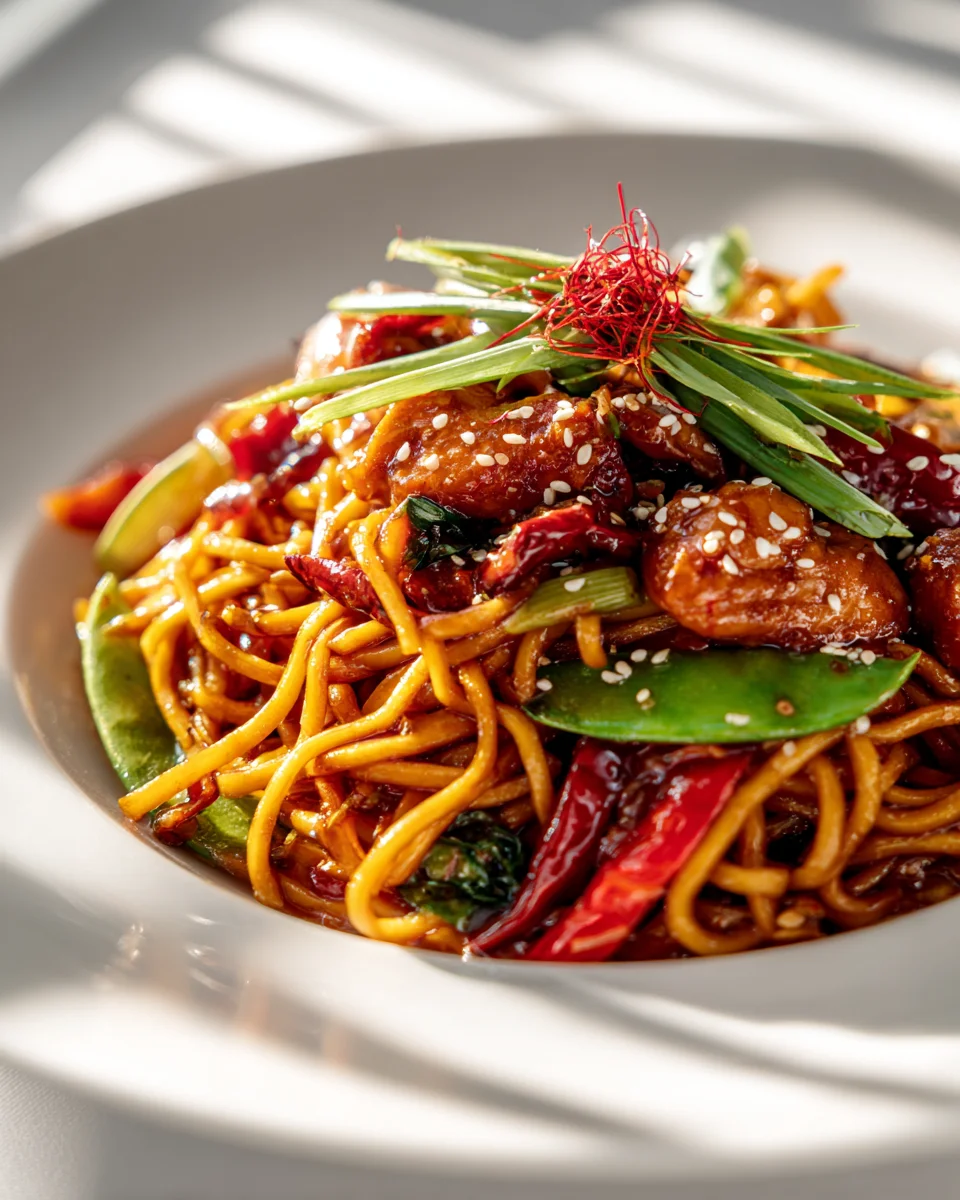
And there you have it! I truly hope you’re as excited as I am about this Spicy Szechuan Chicken Chow Mein (bold Heat). It’s not just a meal; it’s an experience, bringing that unique numbing and fiery Szechuan kick right into your kitchen. Whether you opted for the classic chicken, ventured into succulent beef, or embraced our delicious non-alcoholic alternatives, the core of this dish remains – incredibly flavorful, wonderfully satisfying, and packed with that bold heat we all crave.
I promise, once you taste the perfectly cooked noodles mingling with the tender chicken (or beef!) and that vibrant, spicy sauce, you’ll understand why Spicy Szechuan Chicken Chow Mein (bold Heat) is a dish you’ll want to make again and again. It’s comforting, exhilarating, and truly a testament to the power of Szechuan cuisine. Go on, give it a try – your taste buds will thank you!
Spicy Szechuan Chicken Chow Mein: Authentic Bold Heat Recipe

Embark on a culinary adventure with this Spicy Szechuan Chicken Chow Mein, bursting with authentic flavors and bold heat. This dish combines tender chicken, vibrant vegetables, and chewy noodles in a rich, savory sauce that will awaken your taste buds.
- Prep Time: 15 mins
- Cook Time: 30 mins
- Total Time: 45 minutes
- Yield: 4 servings
- Category: Dinner
- Method: Stir-frying
- Cuisine: Szechuan
Ingredients
- Chow Mein Noodles
- Chicken Thighs
- Szechuan Peppercorns
- Dried Red Chilies
- Szechuan Chili Bean Paste (Doubanjiang)
- Fresh Ginger
- Garlic
- Scallions
- Light Soy Sauce
- Dark Soy Sauce
- Non-alcoholic rice vinegar substitute (like apple cider vinegar or white vinegar mixed with a pinch of sugar)
- Sugar
- Cornstarch
- Chicken or Vegetable Broth
- Sesame Oil
- Shredded Cabbage
- Julienned Carrots
- Sliced Bell Peppers (red or green)
- Bean Sprouts
Instructions
- Prep Your Ingredients: Slice your chicken thighs into thin strips. In a medium bowl, combine the chicken with 1 tablespoon of light soy sauce, 1 teaspoon of a non-alcoholic rice wine substitute (like chicken broth), ½ teaspoon of sugar, and 1 teaspoon of cornstarch. Mix well and set aside for at least 15-20 minutes while you prep everything else.
- Cook Noodles: Bring a large pot of water to a rolling boil. Add your chow mein noodles and cook according to package directions until just al dente. Drain immediately, rinse with cold water to stop cooking, and toss with a tablespoon of sesame oil to prevent sticking. Set aside.
- Make the Sauce: In a small bowl, whisk together 2 tablespoons of light soy sauce, 1 tablespoon of dark soy sauce, 1 tablespoon of non-alcoholic rice vinegar substitute, 1 teaspoon of sugar, ½ teaspoon of ground Szechuan peppercorns, and 2 tablespoons of chicken or vegetable broth. Stir well and set aside.
- Chop Aromatics & Veggies: Mince your ginger and garlic. Slice your scallions, separating the white and green parts. Shred your cabbage and carrots, and slice your bell peppers.
- Toast Szechuan Peppercorns & Chilies: Heat a dry wok or large skillet over medium heat. Add 1 tablespoon of whole Szechuan peppercorns and about 10-15 dried red chilies. Toast for 1-2 minutes until fragrant. Remove half of the peppercorns and chilies, then add 1 tablespoon of cooking oil to the wok.
- Cook Chicken: Increase heat to high. Add the marinated chicken to the wok in a single layer. Let it sear undisturbed for about 1-2 minutes until browned, then stir-fry until mostly cooked through. Remove the chicken from the wok and set aside.
- Aromatic Base: Add another tablespoon of oil to the hot wok if needed. Add the minced ginger, garlic, and the white parts of the scallions. Stir-fry for about 30 seconds until fragrant.
- Build the Flavor: Add 2 tablespoons of Szechuan chili bean paste to the wok. Stir-fry for 1 minute, allowing it to cook out and release its aroma.
- Stir-fry Vegetables: Add the shredded cabbage, carrots, and bell peppers to the wok. Stir-fry for 2-3 minutes until they start to soften but still retain some crunch.
- Combine & Toss: Return the cooked chicken to the wok. Add the cooked noodles and the prepared sauce. Using tongs, toss everything vigorously for 2-3 minutes, ensuring the noodles are fully coated and heated through. Add the bean sprouts and the reserved toasted Szechuan peppercorns and chilies, tossing for another minute.
- Serve Immediately: Garnish with the green parts of the scallions. Serve your Spicy Szechuan Chicken Chow Mein piping hot and enjoy!
Nutrition
- Serving Size: 1 bowl
- Calories: 600
- Sugar: 5 g
- Sodium: 800 mg
- Fat: 20 g
- Saturated Fat: 3 g
- Unsaturated Fat: 15 g
- Trans Fat: 0 g
- Carbohydrates: 80 g
- Fiber: 5 g
- Protein: 30 g
- Cholesterol: 90 mg
Keywords: For the best flavor, use a well-seasoned wok over high heat. Prepare all ingredients beforehand as stir-frying is quick. Adjust the heat by adding more or fewer dried chilies according to your preference.