
Whole Egg Homemade Mayonnaise (no Separation Method)
Oh my goodness, do I have a game-changer for you today! We’re diving into making homemade mayonnaise, but not just any mayo. We’re tackling Whole Egg Homemade Mayonnaise (no Separation Method). I know what you might be thinking – homemade mayo sounds intimidating, often involving carefully separating yolks from whites, which can be a bit of a faff. But hold onto your hats, because this recipe is truly special!
What makes it a star is right there in the name: we’re using the whole egg, and we’re doing it with a genius ‘no separation method’ that practically guarantees success. You won’t be wasting any egg whites, and you won’t be stressing over tricky emulsions. This method simplifies the process immensely, making it accessible even if you’re a first-timer. The result? A creamy, rich, vibrant mayonnaise that puts anything from a jar to shame.
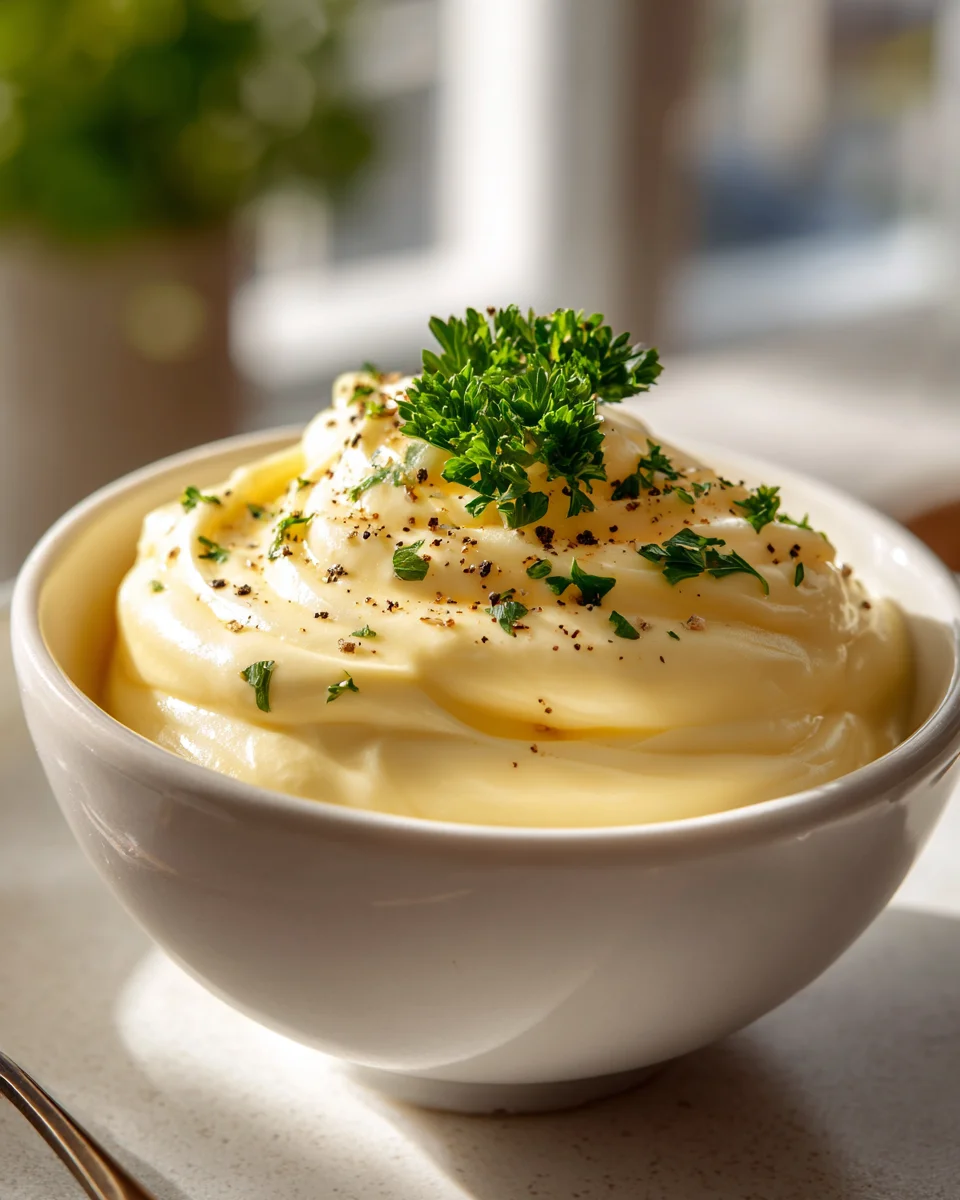
You are absolutely going to adore this recipe because it delivers the freshest, most velvety mayonnaise you’ve ever tasted, all with surprisingly little effort. Forget the bland, sometimes rubbery store-bought stuff; once you try this rich, homemade condiment, there’s no going back. It’s perfect for slathering on sandwiches, transforming your tuna or beef salad, or as the base for an incredible dipping sauce. This isn’t just about making mayo; it’s about unlocking a new level of flavor and texture in your everyday cooking, proving that homemade doesn’t have to be complicated. Get ready for mayonnaise perfection!
Ingredient Notes
Making homemade mayonnaise using the whole egg and a no-separation method is truly a game-changer! It’s quicker, less fussy, and produces a wonderfully creamy condiment every time. Here’s a breakdown of the key ingredients and why they’re important for this specific technique:
- One Whole Large Egg: This is the star of our show, and the “whole egg” aspect is what makes this method so brilliantly simple. Unlike traditional methods that separate the yolk, we’re using the entire egg. The yolk provides the primary emulsifier (lecithin), but the egg white also contributes protein and water, which paradoxically helps create a stable, creamy emulsion when combined with the right technique. Using a whole egg means less waste and a slightly lighter, fluffier texture in the finished mayonnaise. Always ensure your egg is fresh and at room temperature; this significantly aids in emulsification.
- Neutral-Flavored Oil (e.g., Grapeseed, Canola, Sunflower, Light Olive Oil): The oil makes up the bulk of your mayonnaise, so its flavor will be prominent. I highly recommend using a neutral-tasting oil to let the pure, creamy goodness shine. Grapeseed oil is my top pick for its clean taste and light texture. Canola or sunflower oil are also excellent, affordable choices. While olive oil can be used, opt for a “light” variety, as extra virgin olive oil has a strong, sometimes bitter, flavor that can overwhelm the delicate taste of homemade mayonnaise. For this “no separation” method, it’s crucial that your oil is also at room temperature.
- Fresh Lemon Juice or White Wine Vinegar: The acid is vital for both flavor and stability. It brightens the mayonnaise, cuts through the richness of the oil, and helps the emulsion form and hold together. Freshly squeezed lemon juice offers a vibrant, zesty flavor that I adore. Alternatively, white wine vinegar provides a crisp, tangy note. Apple cider vinegar can also work, but has a slightly fruitier flavor. You can even use a combination!
- Dijon Mustard: Don’t skip this ingredient! Dijon mustard isn’t just for flavor; it’s a powerful secondary emulsifier. It contains compounds that help stabilize the oil and water molecules, making your mayonnaise less prone to breaking. It also adds a subtle tang and depth of flavor that’s characteristic of classic mayonnaise. A good quality Dijon makes a noticeable difference.
- Salt: Essential for seasoning. I typically start with a smaller amount and adjust to taste at the end. I prefer fine sea salt or kosher salt.
- Optional Additions:
- A Pinch of Sugar: A tiny bit of sugar can help balance the flavors, especially if your lemon juice or vinegar is very tart.
- Black Pepper: Freshly ground black pepper adds a subtle kick.
Step-by-Step Instructions
This “whole egg, no separation” method truly shines with an immersion blender (also known as a stick blender). It’s incredibly fast and almost foolproof!
- Gather Your Tools and Ingredients: First things first, make sure all your ingredients (egg, oil, acid, mustard) are at room temperature. This is a critical step for successful emulsification. You’ll need a tall, narrow container that your immersion blender head fits snugly into – often, the container that comes with your immersion blender is perfect.
- Combine the Base Ingredients: Crack your whole large egg directly into the bottom of your tall, narrow container. Add the lemon juice (or vinegar), Dijon mustard, and salt. If you’re using optional sugar or pepper, add them now too. Do not stir or whisk these ingredients yet.
- Add All the Oil at Once: This is the magic of the “no separation” method! Carefully pour all of your neutral-flavored oil directly on top of the other ingredients in the container. Again, resist the urge to stir. The oil should form a distinct layer on top of the egg and acid mixture.
- Immerse and Start Blending (The Key Moment!): Insert the head of your immersion blender all the way to the bottom of the container, ensuring it completely covers the egg mixture. Turn the blender on high and keep it perfectly still at the bottom for about 10-15 seconds. You’ll observe a beautiful, thick, white emulsion forming at the very bottom of the container. It’s truly amazing to watch!
- Slowly Lift and Incorporate: Once a significant amount of thick mayonnaise has formed at the bottom, slowly and steadily begin to lift the immersion blender head upwards, allowing the remaining oil from the top to be drawn into the swirling, emulsifying mixture. Continue to move the blender up and down gently, ensuring all the oil is fully incorporated. This process usually takes less than a minute.
- Check Consistency and Adjust: Once all the oil is emulsified, you should have a thick, creamy, perfectly smooth mayonnaise. Turn off the blender, lift it out, and use a spatula to scrape down any mayonnaise clinging to the sides.
- Taste and Season: Now for the best part! Taste your freshly made mayonnaise. Adjust the salt if needed, or add a little more lemon juice or vinegar if you prefer it tangier. You can also stir in any additional flavors at this stage, such as garlic, herbs, or spices.
Tips & Suggestions
Making homemade mayonnaise this way is incredibly satisfying. Here are some extra tips to ensure your success and elevate your condiment game:
- Room Temperature Ingredients are Non-Negotiable: I cannot stress this enough! Cold ingredients, especially the egg and oil, are much harder to emulsify successfully. Plan ahead and take them out of the refrigerator at least 30 minutes to an hour before you start. The warmer temperature allows the fat and water molecules to combine more easily, creating a stable emulsion.
- Trust the Immersion Blender (and Your Patience at the Start): The “no separation” method relies heavily on the power and technique of the immersion blender. Don’t lift the blender too soon in Step 4. Let that initial emulsion form strong and thick at the bottom before you slowly start to move it upwards. This initial stability is what prevents your mayonnaise from breaking.
- Troubleshooting a “Broken” Mayonnaise: Sometimes, despite best efforts, mayonnaise can “break” (i.e., separate into oily and watery layers). Don’t despair! It’s usually fixable.
- Method 1 (Best for slightly broken mayo): If it’s just a little loose, try adding another teaspoon of lemon juice or vinegar to the mixture, and give it another quick blend from the bottom up.
- Method 2 (For significantly broken mayo): In a clean, separate container, place one fresh whole egg (or just a fresh egg yolk) and about a teaspoon of Dijon mustard. With your immersion blender on, slowly drizzle in the broken mayonnaise into this new base, as if it were oil. The fresh egg and mustard will help re-emulsify the mixture.
- Flavor Variations are Endless: Once you have this basic recipe down, the world is your oyster!
- Garlic Aioli: Add 1-2 cloves of minced garlic (or roasted garlic) with the initial ingredients.
- Herby Mayonnaise: Stir in finely chopped fresh herbs like dill, chives, parsley, or tarragon after the mayonnaise is made.
- Spicy Mayo: Mix in a teaspoon or two of sriracha, smoked paprika, or a pinch of cayenne pepper.
- Chipotle Mayo: Blend in a tablespoon of puréed chipotle peppers in adobo sauce.
- Adjusting Consistency: If your mayonnaise is too thick for your liking, you can thin it out by stirring in a tiny bit of warm water (a teaspoon at a time) or a splash more lemon juice. If it’s too thin (and not broken), it might be due to cold ingredients or too much liquid, and you might need to try the “fix a broken mayo” method.
- Why Whole Egg for this Method? The whole egg, compared to just a yolk, brings more liquid into the equation. While this might seem counterintuitive for an emulsion, the extra protein and water content, when combined with the immersion blender’s rapid shear force and the initial static blending at the bottom, helps create a robust and stable emulsion that is less prone to breaking than yolk-only methods, especially for beginners.
Storage
Homemade mayonnaise is a perishable product, primarily due to the raw egg. Proper storage is crucial for both food safety and maintaining its delicious flavor and texture.
- Airtight Container: Transfer your freshly made mayonnaise to a clean, airtight container. A glass jar with a tight-fitting lid works perfectly. This prevents air exposure, which can lead to oxidation and affect both flavor and shelf life.
- Refrigerate Immediately: Homemade mayonnaise must be refrigerated promptly. Do not leave it out at room temperature for extended periods.
- Shelf Life: Due to the raw egg, homemade mayonnaise is best consumed within 7-10 days when stored properly in the refrigerator. While some sources might suggest longer, I personally err on the side of caution. Always use your best judgment; if it smells off, changes color, or develops mold, discard it immediately.
- Natural Separation: It’s possible for a very slight amount of separation to occur in homemade mayonnaise over time, even when refrigerated. This is usually just a bit of oil or liquid collecting. If this happens, simply give it a good stir with a spoon before using to reincorporate everything.
- Do Not Freeze: Mayonnaise does not freeze well. The emulsion will break, and you’ll end up with a separated, oily mess when it thaws. It’s best to enjoy it fresh.
Final Thoughts
There’s something incredibly rewarding about creating a kitchen staple from scratch, and with this Whole Egg Homemade Mayonnaise (no Separation Method), I truly believe you’ll discover a new favorite. I know that traditional mayonnaise recipes can sometimes intimidate, with their call for careful egg separation and a slow, steady oil drizzle. That’s precisely why I developed and adore this particular method – it strips away the anxiety and simplifies the entire process, making homemade mayo accessible to everyone!
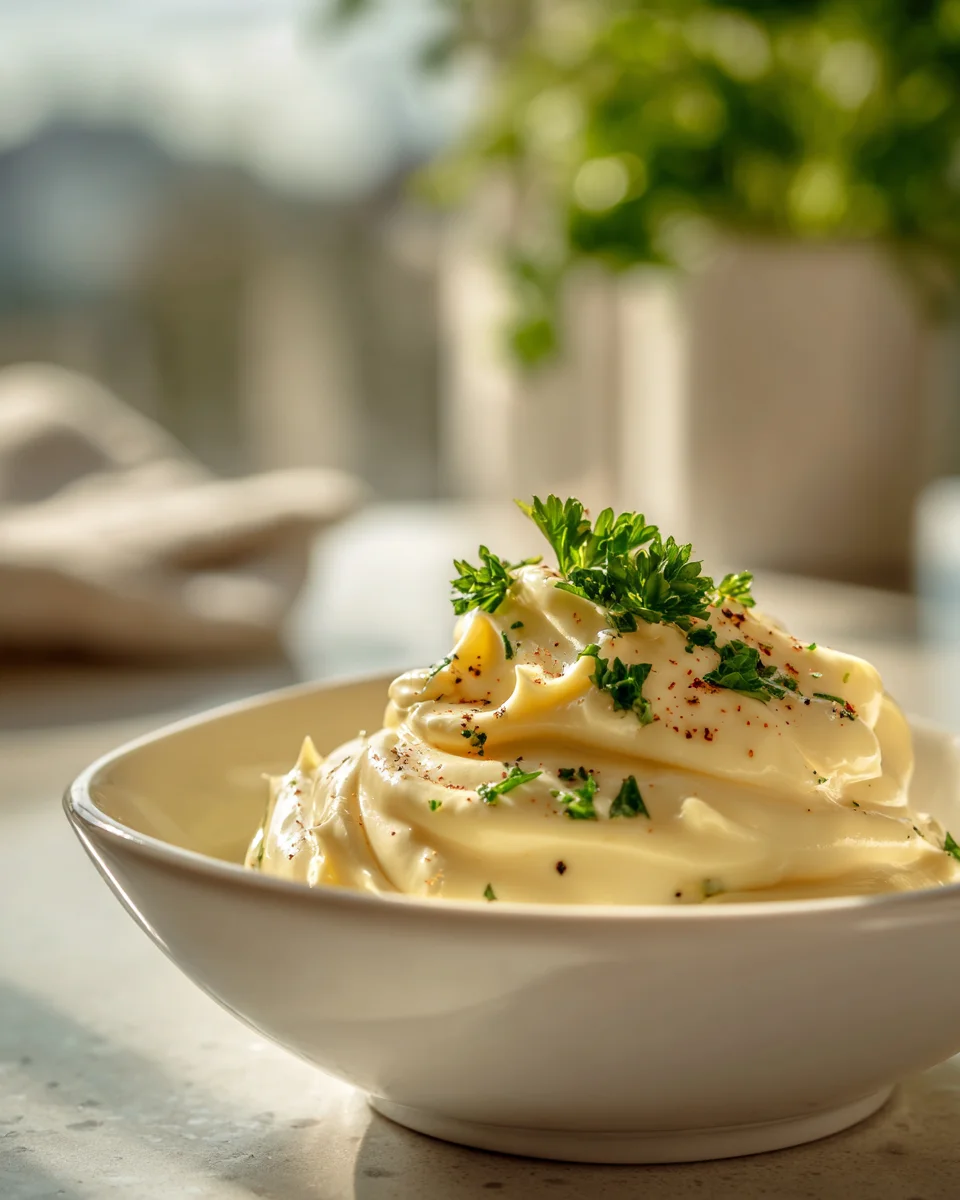
The luxurious creaminess and fresh, zesty flavor of your very own Whole Egg Homemade Mayonnaise (no Separation Method) will instantly elevate almost any dish. Forget the bland, often overly sweet or vinegary taste of store-bought versions; this recipe delivers a vibrant, rich condiment that perfectly complements everything from a simple sandwich to a gourmet salad dressing, or even as a dip for crispy fries. You’ll not only taste the difference, but you’ll also appreciate knowing exactly what wholesome ingredients went into making it.
I genuinely encourage you to give Whole Egg Homemade Mayonnaise (no Separation Method) a try. It’s a game-changer that promises an unbeatable flavor and a surprisingly quick, fuss-free experience. Prepare to be amazed by how easily you can transform your meals with this incredibly versatile and delicious homemade creation!
Foolproof Whole Egg Homemade Mayonnaise – Never Separates!

This Whole Egg Homemade Mayonnaise uses a no-separation method that guarantees a creamy, rich condiment without the fuss. Perfect for sandwiches, salads, and dips, it’s a game-changer in your kitchen!
- Prep Time: 10 mins
- Cook Time: 0 mins
- Total Time: 10 minutes
- Yield: 1 cup 1x
- Category: Condiment
- Method: Blending
- Cuisine: American
Ingredients
- 1 Whole Large Egg
- Neutral-Flavored Oil (e.g., Grapeseed, Canola, Sunflower, Light Olive Oil)
- Fresh Lemon Juice or White Wine Vinegar
- Dijon Mustard
- Salt
- A Pinch of Sugar (optional)
- Black Pepper (optional)
Instructions
- Gather Your Tools and Ingredients: Make sure all your ingredients (egg, oil, acid, mustard) are at room temperature. You’ll need a tall, narrow container that your immersion blender head fits snugly into.
- Combine the Base Ingredients: Crack your whole large egg directly into the bottom of your tall, narrow container. Add the lemon juice (or vinegar), Dijon mustard, and salt. If you're using optional sugar or pepper, add them now too. Do not stir or whisk these ingredients yet.
- Add All the Oil at Once: Carefully pour all of your neutral-flavored oil directly on top of the other ingredients in the container. The oil should form a distinct layer on top of the egg and acid mixture.
- Immerse and Start Blending (The Key Moment!): Insert the head of your immersion blender all the way to the bottom of the container, ensuring it completely covers the egg mixture. Turn the blender on high and keep it perfectly still at the bottom for about 10-15 seconds.
- Slowly Lift and Incorporate: Once a significant amount of thick mayonnaise has formed at the bottom, slowly and steadily begin to lift the immersion blender head upwards, allowing the remaining oil from the top to be drawn into the swirling, emulsifying mixture.
- Check Consistency and Adjust: Once all the oil is emulsified, you should have a thick, creamy, perfectly smooth mayonnaise. Use a spatula to scrape down any mayonnaise clinging to the sides.
- Taste and Season: Taste your freshly made mayonnaise. Adjust the salt if needed, or add a little more lemon juice or vinegar if you prefer it tangier.
Nutrition
- Serving Size: 1 tablespoon
- Calories: 94
- Sugar: 0 g
- Sodium: 50 mg
- Fat: 10 g
- Saturated Fat: 1 g
- Unsaturated Fat: 8 g
- Trans Fat: 0 g
- Carbohydrates: 0 g
- Fiber: 0 g
- Protein: 0 g
- Cholesterol: 37 mg
Keywords: Ensure all ingredients are at room temperature for successful emulsification. If your mayonnaise separates, you can fix it by adding another teaspoon of lemon juice or vinegar and blending again.