French Butter Cake Recipe
Oh, prepare yourselves, because I am absolutely thrilled to share with you my go-to French Butter Cake Recipe! If there’s one thing I adore, it’s a dessert that perfectly balances simplicity with an unparalleled richness, and this cake hits every single note. Forget complicated layers and heavy frostings; this recipe celebrates the pure, unadulterated joy of exceptional ingredients, primarily, you guessed it, glorious butter!
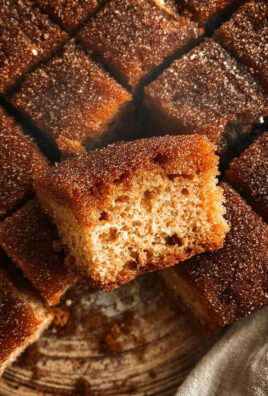
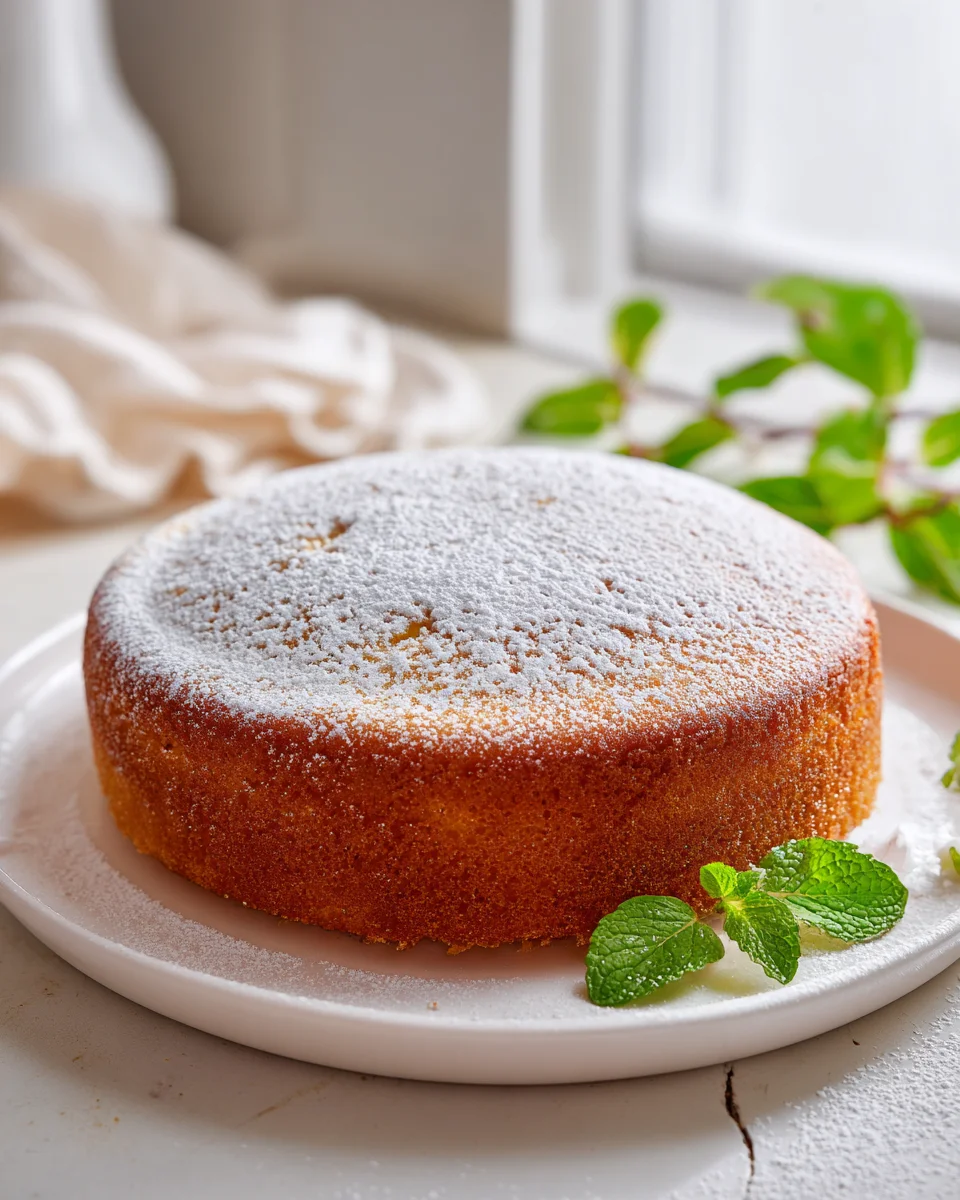
What makes this French Butter Cake so incredibly special, you ask? It’s all about the texture and the incredible depth of flavor. This isn’t just any cake; it’s a testament to the magic that happens when quality butter, flour, sugar, and eggs come together in perfect harmony. The result is a cake with an unbelievably tender, moist crumb that practically melts in your mouth, enveloped in a subtly sweet, golden crust. It’s elegant in its understated beauty, letting the natural flavors shine through without any fuss.
You, my dear reader, are going to absolutely fall in love with this recipe because it delivers sophisticated indulgence without the stress. Imagine serving a slice of this golden perfection, perhaps with a dusting of powdered sugar or a dollop of fresh cream, at your next coffee gathering or simply as a comforting treat for yourself. It’s the kind of cake that makes you close your eyes and savor every single bite, transporting you straight to a quaint French patisserie. It’s an easy win that tastes utterly luxurious, proving that sometimes, the simplest things are truly the most exquisite. Get ready to bake a little piece of heaven!

Ingredient Notes
Crafting a truly exquisite French Butter Cake begins with understanding the role each ingredient plays. This isn’t just any cake; it’s a celebration of rich, creamy butter, resulting in a dense yet tender crumb and an undeniably luxurious flavor. I always say, the fewer the ingredients, the more important their quality becomes!
- Unsalted Butter: This is the star of our show, so please don’t skimp on quality. I highly recommend using a good quality European-style unsalted butter with a higher fat content (typically 82-84%). Its richer flavor and smoother texture will elevate your cake significantly. Make sure your butter is at perfect room temperature – soft enough to leave an indentation when pressed, but not melted or greasy. This is crucial for proper creaming.
- Granulated Sugar: Standard white granulated sugar is perfect here. It provides sweetness and helps to create that wonderful light and airy texture when creamed with the butter.
- Large Eggs: Another essential for structure and richness. Like the butter, ensure your eggs are at room temperature. This allows them to emulsify better with the butter and sugar, preventing a curdled batter and ensuring a smoother, more uniform cake.
- All-Purpose Flour: Good old all-purpose flour works beautifully for this cake, providing the right balance of structure and tenderness. While some recipes might call for cake flour for a lighter crumb, I find all-purpose gives this French Butter Cake its characteristic satisfying density without being heavy. Sifting it once or twice ensures a lump-free batter and helps incorporate air.
- Baking Powder: Just a touch of baking powder gives the cake a gentle lift, ensuring it’s not overly dense.
- Salt: A pinch of fine sea salt is essential to balance the sweetness and enhance all the other flavors. Don’t skip it!
- Vanilla Extract or Vanilla Bean Paste: For a classic flavor, I prefer using a high-quality vanilla extract. However, if you want to go all out and see those beautiful vanilla specks, vanilla bean paste is a fantastic choice for an even more intense aroma and flavor.
- Milk (optional): Sometimes, a tablespoon or two of milk (whole milk preferred) can be added at the end to adjust the batter consistency, especially if your eggs were on the smaller side. Ensure it’s also at room temperature.
Step-by-Step Instructions
Creating this French Butter Cake is a delightful process that focuses on careful technique. Take your time, and you’ll be rewarded with a truly sublime treat!
- Prepare Your Pan: First things first, preheat your oven to 325°F (160°C). Grease and flour a 9-inch round cake pan thoroughly, or generously butter it and line the bottom with parchment paper. This step is vital to prevent sticking and ensure a beautiful release.
- Combine Dry Ingredients: In a medium bowl, whisk together your all-purpose flour, baking powder, and salt. Whisk well to ensure the leavening agent is evenly distributed. Set this aside.
- Cream Butter and Sugar: In the bowl of a stand mixer fitted with the paddle attachment (or using a hand mixer and a large bowl), beat the room temperature unsalted butter on medium speed for about 2-3 minutes until it’s light and creamy. Gradually add the granulated sugar, beating on medium-high speed for another 5-7 minutes. You want the mixture to become very pale in color, fluffy, and significantly increased in volume. This creaming process is what incorporates air into the batter, giving the cake its lovely texture.
- Add Eggs Gradually: With the mixer on medium-low speed, add the room temperature eggs one at a time, beating well after each addition until fully incorporated. Scrape down the sides of the bowl often to ensure everything is evenly mixed. After the last egg, beat in the vanilla extract or paste. The mixture might look slightly curdled at this point; don’t worry, it will come together with the flour.
- Alternate Dry and Wet: Reduce the mixer speed to low. Add one-third of the dry ingredients to the butter mixture and mix until just combined. Then, add half of the milk (if using) and mix until just combined. Repeat with the next third of the dry ingredients, followed by the remaining milk, and finally the last third of the dry ingredients. Be careful not to overmix! Overmixing the flour can develop too much gluten, resulting in a tough cake. Stop mixing as soon as no streaks of flour remain.
- Transfer to Pan: Pour the batter into your prepared cake pan. Gently tap the pan a few times on the counter to release any large air bubbles and level the top.
- Bake: Bake for 45-60 minutes, or until a wooden skewer or toothpick inserted into the center comes out clean or with a few moist crumbs attached. The exact baking time can vary depending on your oven, so keep an eye on it. The cake should be golden brown on top.
- Cool: Once baked, remove the cake from the oven and let it cool in the pan on a wire rack for about 15-20 minutes. This allows the cake to set fully before you attempt to invert it.
- Invert and Finish Cooling: After cooling in the pan, carefully invert the cake onto the wire rack, remove the pan (and parchment paper, if used), and let it cool completely. A fully cooled cake is much easier to slice neatly.
Tips & Suggestions
Achieving that perfect, tender, and rich French Butter Cake is all about paying attention to a few key details. Here are my favorite tips to ensure your cake turns out splendidly every time:
- Room Temperature Ingredients are Non-Negotiable: I cannot stress this enough! Butter, eggs, and milk (if using) must be at room temperature. Cold ingredients don’t emulsify properly, leading to a lumpy, inconsistent batter and a potentially dense, inferior cake. Plan ahead by taking them out of the fridge at least an hour or two before you start baking.
- Don’t Overmix the Batter: Once you add the flour, mix only until just combined. Overmixing develops the gluten in the flour, which can lead to a tough and chewy cake rather than the delicate, tender crumb we’re aiming for. A few lumps of flour are better than an overmixed batter.
- Creaming is Key: The creaming of butter and sugar is where most of the cake’s air is incorporated. Don’t rush this step! Beat for the full recommended time until the mixture is very pale and fluffy. This creates a light structure that supports the cake’s rise.
- Check Your Oven Temperature: Ovens can be notoriously inaccurate. If you find your cakes are consistently under or overbaked, consider getting an oven thermometer. Proper temperature control is crucial for even baking.
- Know When It’s Done: A clean toothpick is a good indicator, but also pay attention to the cake’s appearance. It should be golden brown, and the edges should start to pull slightly away from the sides of the pan. The center should also spring back gently when lightly touched.
- Keep it Simple: A French Butter Cake is elegant in its simplicity. It’s truly delicious on its own. For serving, I often just dust it with a little powdered sugar, or serve it with a dollop of fresh whipped cream and some berries. If you want to add a subtle flavor, a tiny bit of lemon zest or orange zest added with the sugar can be lovely, but don’t overwhelm the buttery essence.
Storage
One of the best things about a French Butter Cake is how well it keeps, and often, its flavors deepen beautifully overnight. Here’s how I recommend storing it:
- At Room Temperature: For optimal freshness and flavor, I recommend storing your French Butter Cake at room temperature. Make sure it’s completely cooled before storing. Place it in an airtight cake dome or a container. It will stay wonderfully moist and delicious for 3-4 days.
- Refrigeration: While not strictly necessary for this type of cake, if you live in a very warm or humid climate, or if you’ve added a perishable topping (though typically it’s served plain or with a simple dusting), you can refrigerate it. Wrap the cake tightly in plastic wrap to prevent it from drying out or absorbing fridge odors. Bring it back to room temperature for about an hour before serving for the best texture and flavor. It will keep in the fridge for up to a week.
- Freezing: This cake freezes exceptionally well! Once completely cool, wrap the entire cake or individual slices tightly in plastic wrap, then an additional layer of aluminum foil. Freeze for up to 2-3 months. To thaw, simply unwrap the cake (this prevents condensation from making it soggy) and let it come to room temperature on your counter for several hours.
Final Thoughts
There’s truly nothing quite like the experience of making and tasting your own French Butter Cake Recipe. This isn’t just any cake; it’s a testament to simple elegance and incredible flavor that will quickly become a cherished favorite. I promise you, once you try this French Butter Cake Recipe, you’ll understand why it’s a staple in so many homes.
The rich, golden crust, the incredibly tender and moist crumb, and that deep, satisfying buttery taste are simply irresistible. It’s perfect for a quiet afternoon with a non-alcoholic beverage, a joyful gathering with friends, or simply as a delightful treat to brighten your day. This particular French Butter Cake Recipe delivers pure comfort and sophistication in every single slice.
So, don’t hesitate! Give this wonderful French Butter Cake Recipe a try. You’ll be so glad you did. Happy baking, and enjoy every delightful bite!
Best French Butter Cake Recipe: Heavenly, Melt-in-Your-Mouth

Experience the luxurious taste of this French Butter Cake, which perfectly balances simplicity with rich flavors. This cake is a delightful treat that melts in your mouth, making it a must-try for any dessert lover.
- Prep Time: 20 mins
- Cook Time: 60 mins
- Total Time: 1 hour 20 minutes
- Yield: 8 servings 1x
- Category: Dessert
- Method: Baking
- Cuisine: French
Ingredients
- 1 cup Unsalted Butter, at room temperature
- 1 1/2 cups Granulated Sugar
- 4 Large Eggs, at room temperature
- 2 1/2 cups All-Purpose Flour
- 1 1/2 teaspoons Baking Powder
- 1/2 teaspoon Salt
- 2 teaspoons Vanilla Extract or Vanilla Bean Paste
- 2 tablespoons Milk (optional, at room temperature)
Instructions
- Preheat your oven to 325°F (160°C). Grease and flour a 9-inch round cake pan thoroughly, or generously butter it and line the bottom with parchment paper.
- In a medium bowl, whisk together your all-purpose flour, baking powder, and salt. Set this aside.
- In the bowl of a stand mixer fitted with the paddle attachment, beat the room temperature unsalted butter on medium speed for about 2-3 minutes until it's light and creamy. Gradually add the granulated sugar, beating on medium-high speed for another 5-7 minutes until the mixture is very pale in color, fluffy, and significantly increased in volume.
- With the mixer on medium-low speed, add the room temperature eggs one at a time, beating well after each addition until fully incorporated. Scrape down the sides of the bowl often. After the last egg, beat in the vanilla extract or paste.
- Reduce the mixer speed to low. Add one-third of the dry ingredients to the butter mixture and mix until just combined. Then, add half of the milk (if using) and mix until just combined. Repeat with the next third of the dry ingredients, followed by the remaining milk, and finally the last third of the dry ingredients. Stop mixing as soon as no streaks of flour remain.
- Pour the batter into your prepared cake pan. Gently tap the pan a few times on the counter to release any large air bubbles and level the top.
- Bake for 45-60 minutes, or until a wooden skewer or toothpick inserted into the center comes out clean or with a few moist crumbs attached.
- Once baked, remove the cake from the oven and let it cool in the pan on a wire rack for about 15-20 minutes. After cooling in the pan, carefully invert the cake onto the wire rack, remove the pan, and let it cool completely.
Nutrition
- Serving Size: 1 slice
- Calories: 350
- Sugar: 20 g
- Sodium: 150 mg
- Fat: 22 g
- Saturated Fat: 14 g
- Unsaturated Fat: 6 g
- Trans Fat: 0 g
- Carbohydrates: 30 g
- Fiber: 1 g
- Protein: 4 g
- Cholesterol: 100 mg
Keywords: Ensure all ingredients are at room temperature for best results. Avoid overmixing the batter to maintain a tender crumb.