Sticky Beef Noodles
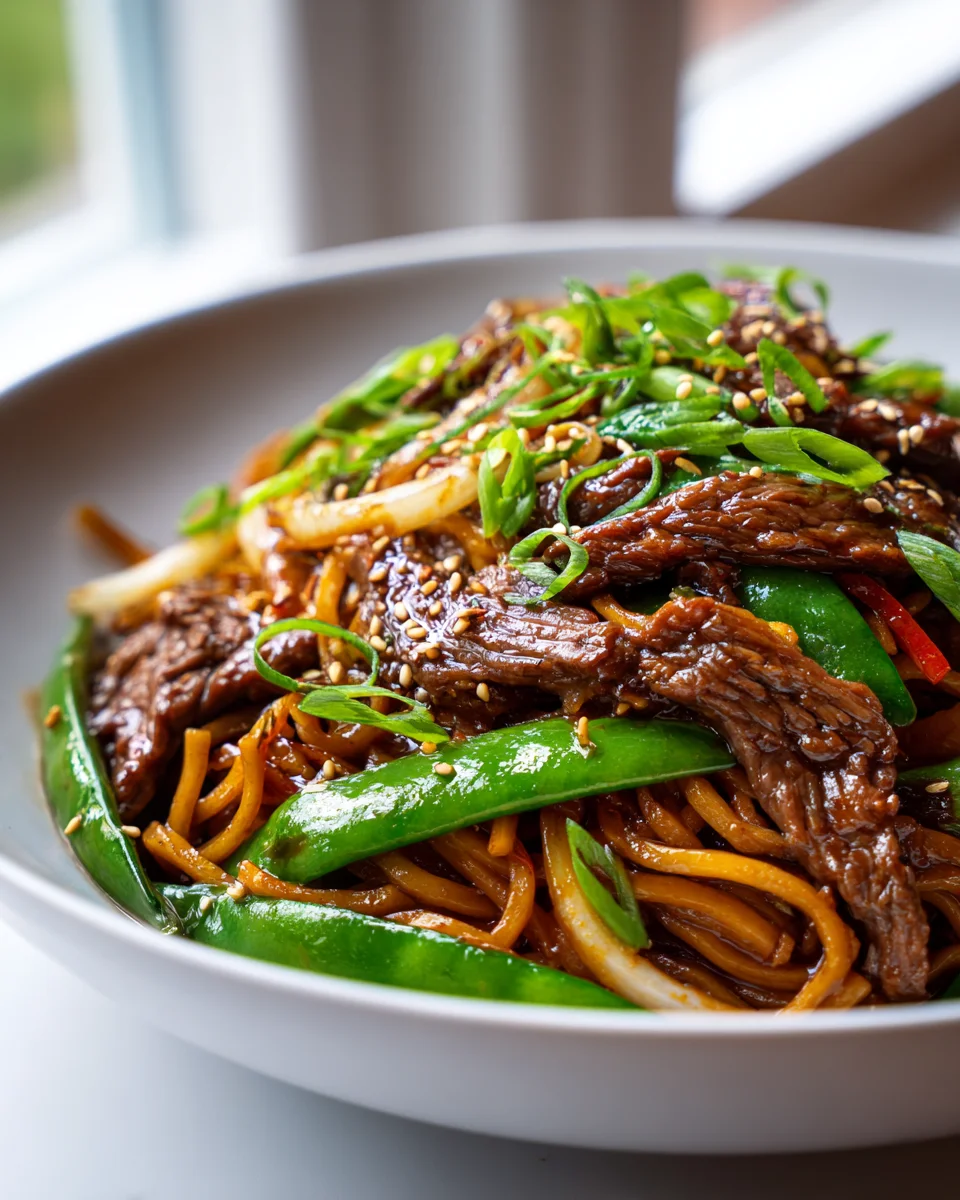
Oh, prepare yourselves, because you are about to fall head over heels for my Sticky Beef Noodles! This isn’t just another noodle dish; it’s a symphony of flavor and texture that will quickly become a weeknight (or weekend!) favorite. What makes this recipe so incredibly special? It’s all in that unbelievably glossy, sweet-savory, and yes, wonderfully sticky sauce that coats every single strand of noodle and every succulent piece of tender beef. I promise you, one bite and you’ll understand why it’s so addictive.
Readers, you are going to absolutely love this dish because it delivers serious comfort and flavor without endless fuss. It’s that perfect satisfying meal that feels like a warm hug in a bowl, easily rivaling your favorite takeout but made right in your own kitchen. Picture this: perfectly cooked noodles intertwined with strips of juicy, tender beef, all bathed in a rich, deeply flavorful non-alcoholic sauce that has just the right amount of cling. It’s a complete meal that balances richness with freshness, making it utterly irresistible. Get ready to slurp your way to happiness!

Ingredient Notes
Crafting truly delicious Sticky Beef Noodles starts with understanding the star ingredients that bring this dish to life. My aim is always to achieve that perfect balance of savory, sweet, and a touch of tang, all while ensuring the beef is tender and the noodles wonderfully coated.
The Beef
For this recipe, I find that a good quality cut of beef that’s suitable for stir-frying is essential. My go-to choices are flank steak, sirloin, or even a tender cut of chuck that’s been thinly sliced against the grain. Cutting the beef thinly, about ⅛ to ¼ inch thick, is critical for tenderness and ensures it cooks quickly and evenly. You can also ask your butcher to thinly slice it for you, which is a fantastic time-saver!
The Noodles
The “noodle” part of Sticky Beef Noodles is, of course, equally important! I usually opt for fresh or dried egg noodles – they have a lovely chew and absorb the sauce beautifully. Other great options include ramen noodles (without the seasoning packet!), udon for a thicker bite, or even linguine if you’re in a pinch and craving that noodle fix. Just make sure to cook them al dente according to package directions, as they’ll finish cooking in the pan with the sauce.
The Sticky Sauce
This is where the magic happens and what truly defines “sticky.”
- Soy Sauce: I prefer a low-sodium variety, which gives me more control over the overall saltiness.
- Brown Sugar: This provides that signature sweetness and helps create the sticky glaze. You can adjust the amount to your taste. Honey or maple syrup are also decent alternatives if you prefer.
- Non-Alcoholic Cooking Sherry Substitute / Mirin Alternative: To add depth and a touch of sweetness without the alcohol, I use a non-alcoholic cooking sherry substitute or a specific non-alcoholic mirin alternative. If you don’t have either, a splash of apple juice or white grape juice can offer a similar fruity sweetness and acidity balance.
- Rice Vinegar: This introduces a bright, tangy element that cuts through the richness of the sauce. Apple cider vinegar can work as a substitute.
- Garlic & Ginger: Freshly minced garlic and grated ginger are non-negotiables for their aromatic punch. They form the flavor base of the sauce.
- Cornstarch or Tapioca Starch: This is the secret to the sauce’s beautiful, glossy, and thick consistency. A small amount mixed with water creates a slurry that transforms the liquid into a luscious glaze.
- Sesame Oil: Added at the very end, it provides a warm, nutty aroma and flavor.
- Chili Flakes: Optional, but I love a pinch for a little background heat.
Vegetables
While the beef and noodles are the stars, I often add some crisp-tender vegetables to round out the meal. Broccoli florets, sliced bell peppers (any color!), shredded carrots, snap peas, or baby bok choy all work wonderfully. They add freshness, color, and texture.
Step-by-Step Instructions
Let’s get cooking! Here’s how I prepare my Sticky Beef Noodles, ensuring every step contributes to that irresistible flavor and texture.
- Prepare Your Ingredients: First things first, get everything ready. Slice your beef thinly against the grain. If you’re using fresh vegetables, chop them into bite-sized pieces. Mince your garlic and grate your ginger.
- Mix the Sticky Sauce: In a medium bowl, whisk together the soy sauce, brown sugar, non-alcoholic cooking sherry substitute (or apple/grape juice), rice vinegar, minced garlic, grated ginger, and chili flakes (if using). In a separate small bowl, whisk 1 tablespoon of cornstarch or tapioca starch with 2 tablespoons of cold water to create a smooth slurry. Set both aside.
- Cook the Noodles: Bring a large pot of salted water to a boil. Add your chosen noodles and cook according to package directions until al dente. Drain well and set aside. You can toss them with a tiny drizzle of sesame oil to prevent sticking if you like.
- Sear the Beef: Heat 1 tablespoon of neutral oil (like canola or vegetable oil) in a large skillet or wok over medium-high heat until shimmering. Add about half of your sliced beef in a single layer, making sure not to overcrowd the pan. Sear for 1-2 minutes per side until beautifully browned. Remove the seared beef to a plate and repeat with the remaining beef, adding a little more oil if needed.
- Sauté the Vegetables: If your skillet is dry, add another teaspoon of oil. Add your harder vegetables first (like broccoli or carrots) and stir-fry for 2-3 minutes. Then add softer vegetables (like bell peppers or snap peas) and stir-fry for another 1-2 minutes until they are crisp-tender.
- Add the Sauce: Give your prepared sticky sauce a quick whisk again and pour it into the skillet with the vegetables. Bring it to a gentle simmer. Once simmering, give your cornstarch slurry a final stir and slowly pour it into the sauce while continuously stirring. Cook for 1-2 minutes, stirring constantly, until the sauce thickens and becomes glossy. It should coat the back of a spoon.
- Combine Everything: Return the seared beef and the cooked noodles to the skillet with the thickened sauce and vegetables. Toss everything together gently but thoroughly, ensuring the noodles and beef are fully coated in that glorious sticky sauce. Cook for just 1-2 minutes more to allow the flavors to meld and the beef and noodles to heat through.
- Serve Immediately: Remove from heat, drizzle with a touch of sesame oil, and serve hot. Garnish with chopped green onions and a sprinkle of sesame seeds for extra flair.
Tips & Suggestions
Making Sticky Beef Noodles is quite straightforward, but a few insider tips can elevate your dish from good to absolutely amazing!
- Don’t Overcrowd the Pan: This is my golden rule for stir-frying. When searing the beef, work in batches if necessary. Crowding the pan lowers the temperature, preventing a good sear and instead steaming the beef, which can make it tough.
- Slice Beef Thinly and Against the Grain: This is paramount for tenderness. Slicing against the grain shortens the muscle fibers, making the beef easier to chew.
- Taste and Adjust the Sauce: Before adding the cornstarch slurry, give the sauce a taste. Do you want it sweeter? Add a touch more brown sugar. Tangier? A splash more rice vinegar. Spicier? A few more chili flakes. It’s your kitchen, so make it your own!
- Noodles Al Dente: Cook your noodles until they are just shy of fully cooked. They will finish absorbing flavor and cooking in the skillet with the sauce. This prevents them from becoming mushy.
- The Cornstarch Slurry Trick: Always mix your cornstarch (or tapioca starch) with cold water before adding it to a hot sauce. This prevents lumps. Also, give it a quick whisk right before pouring it in, as the starch can settle at the bottom.
- Get Your Wok/Skillet Hot: For the best stir-fry results, ensure your cooking vessel is piping hot before adding oil and ingredients. This helps create that desirable sear and quick cooking.
- Customizing Vegetables: Feel free to experiment with your favorite stir-fry friendly vegetables. Just remember to add harder vegetables first and softer ones later to ensure everything cooks evenly and retains a pleasant crunch.
- Spice it Up: For those who love heat, consider adding a dash of sriracha or a few drops of chili oil to the finished dish for an extra kick.
Storage
Leftovers of Sticky Beef Noodles are definitely a treat, though like most noodle dishes, they’re best enjoyed fresh. Here’s how I handle storing them:
- Refrigeration: If you have any leftovers, allow them to cool completely before transferring them to an airtight container. They will keep well in the refrigerator for up to 3-4 days. The sauce tends to thicken further upon cooling, which I actually don’t mind!
- Reheating: For best results, I prefer to reheat Sticky Beef Noodles gently on the stovetop in a skillet over medium-low heat. Add a splash of water or a tiny bit of beef broth to help loosen the sauce and prevent the noodles from drying out. Stir frequently until heated through. You can also reheat them in the microwave, covering the container and stirring halfway through, but be careful not to overcook the noodles, which can make them rubbery.
- Freezing: While the sauce and beef component could theoretically be frozen, I generally don’t recommend freezing the assembled dish with the noodles. Noodles tend to change texture quite a bit after thawing, becoming mushy or brittle. It’s best enjoyed fresh or from the fridge.
Final Thoughts
And there you have it! I truly believe that once you’ve made these Sticky Beef Noodles, you’ll understand why this dish is an absolute game-changer. The way the tender, savory beef soaks up that incredible, glistening sauce, clinging perfectly to every strand of noodle – it’s a symphony of textures and flavors. We’ve crafted a sauce that delivers unparalleled richness and depth, achieving its complex, umami notes without the need for alcohol, ensuring everyone can enjoy its delicious complexity. It’s comforting, it’s satisfying, and it’s bursting with a savory-sweet stickiness that will have you reaching for seconds. Get ready to fall in love with your very own batch of Sticky Beef Noodles; I promise, it’s a culinary journey worth taking!
Best Sticky Beef Noodles Recipe – Quick & Easy Weeknight Meal

Prepare to fall in love with these Sticky Beef Noodles, a perfect balance of savory, sweet, and tangy flavors. This dish combines tender beef and perfectly cooked noodles in a glossy, sticky sauce that makes for an irresistible weeknight meal.
- Prep Time: 15 mins
- Cook Time: 30 mins
- Total Time: 45 minutes
- Yield: 4 servings
- Category: Dinner
- Method: Stir-frying
- Cuisine: Asian
Ingredients
- Flank steak, sirloin, or chuck beef (thinly sliced)
- Fresh or dried egg noodles (or ramen, udon, or linguine)
- Low-sodium soy sauce
- Brown sugar
- Non-alcoholic cooking sherry substitute or apple/grape juice
- Rice vinegar
- Freshly minced garlic
- Grated ginger
- Cornstarch or tapioca starch
- Water
- Sesame oil
- Chili flakes (optional)
- Broccoli florets
- Sliced bell peppers (any color)
- Shredded carrots
- Snap peas
- Baby bok choy
- Neutral oil (like canola or vegetable oil)
Instructions
- Prepare Your Ingredients: Slice your beef thinly against the grain. Chop your fresh vegetables into bite-sized pieces. Mince your garlic and grate your ginger.
- Mix the Sticky Sauce: In a medium bowl, whisk together the soy sauce, brown sugar, non-alcoholic cooking sherry substitute (or apple/grape juice), rice vinegar, minced garlic, grated ginger, and chili flakes (if using). In a separate small bowl, whisk 1 tablespoon of cornstarch or tapioca starch with 2 tablespoons of cold water to create a smooth slurry. Set both aside.
- Cook the Noodles: Bring a large pot of salted water to a boil. Add your chosen noodles and cook according to package directions until al dente. Drain well and set aside. Toss them with a tiny drizzle of sesame oil to prevent sticking if desired.
- Sear the Beef: Heat 1 tablespoon of neutral oil in a large skillet or wok over medium-high heat until shimmering. Add about half of your sliced beef in a single layer, sear for 1-2 minutes per side until browned. Remove the seared beef to a plate and repeat with the remaining beef, adding more oil if needed.
- Sauté the Vegetables: If your skillet is dry, add another teaspoon of oil. Add harder vegetables first (like broccoli or carrots) and stir-fry for 2-3 minutes. Then add softer vegetables (like bell peppers or snap peas) and stir-fry for another 1-2 minutes until crisp-tender.
- Add the Sauce: Whisk the prepared sticky sauce again and pour it into the skillet with the vegetables. Bring it to a gentle simmer. Once simmering, stir the cornstarch slurry and slowly pour it into the sauce while continuously stirring. Cook for 1-2 minutes until the sauce thickens and becomes glossy.
- Combine Everything: Return the seared beef and cooked noodles to the skillet with the thickened sauce and vegetables. Toss everything together gently but thoroughly, ensuring the noodles and beef are fully coated. Cook for just 1-2 minutes more to allow flavors to meld.
- Serve Immediately: Remove from heat, drizzle with a touch of sesame oil, and serve hot. Garnish with chopped green onions and a sprinkle of sesame seeds.
Nutrition
- Serving Size: 1 bowl
- Calories: 600
- Sugar: 10 g
- Sodium: 800 mg
- Fat: 20 g
- Saturated Fat: 5 g
- Unsaturated Fat: 15 g
- Trans Fat: 0 g
- Carbohydrates: 80 g
- Fiber: 5 g
- Protein: 30 g
- Cholesterol: 70 mg
Keywords: Don't overcrowd the pan when searing the beef for the best results. Slice beef thinly against the grain for tenderness, and adjust the sauce to your taste before adding the cornstarch slurry.