Eggs Cocotte
Oh, let me tell you, there’s just something inherently elegant and utterly comforting about Eggs Cocotte. If you’re looking for a dish that feels incredibly gourmet but is deceptively simple to whip up, you’ve found your new favorite! I absolutely adore making these, especially for a lazy weekend brunch or even a light, satisfying dinner. What makes Eggs Cocotte so special is that it’s a little personal indulgence – your own individual ramekin filled with creamy, perfectly baked eggs.
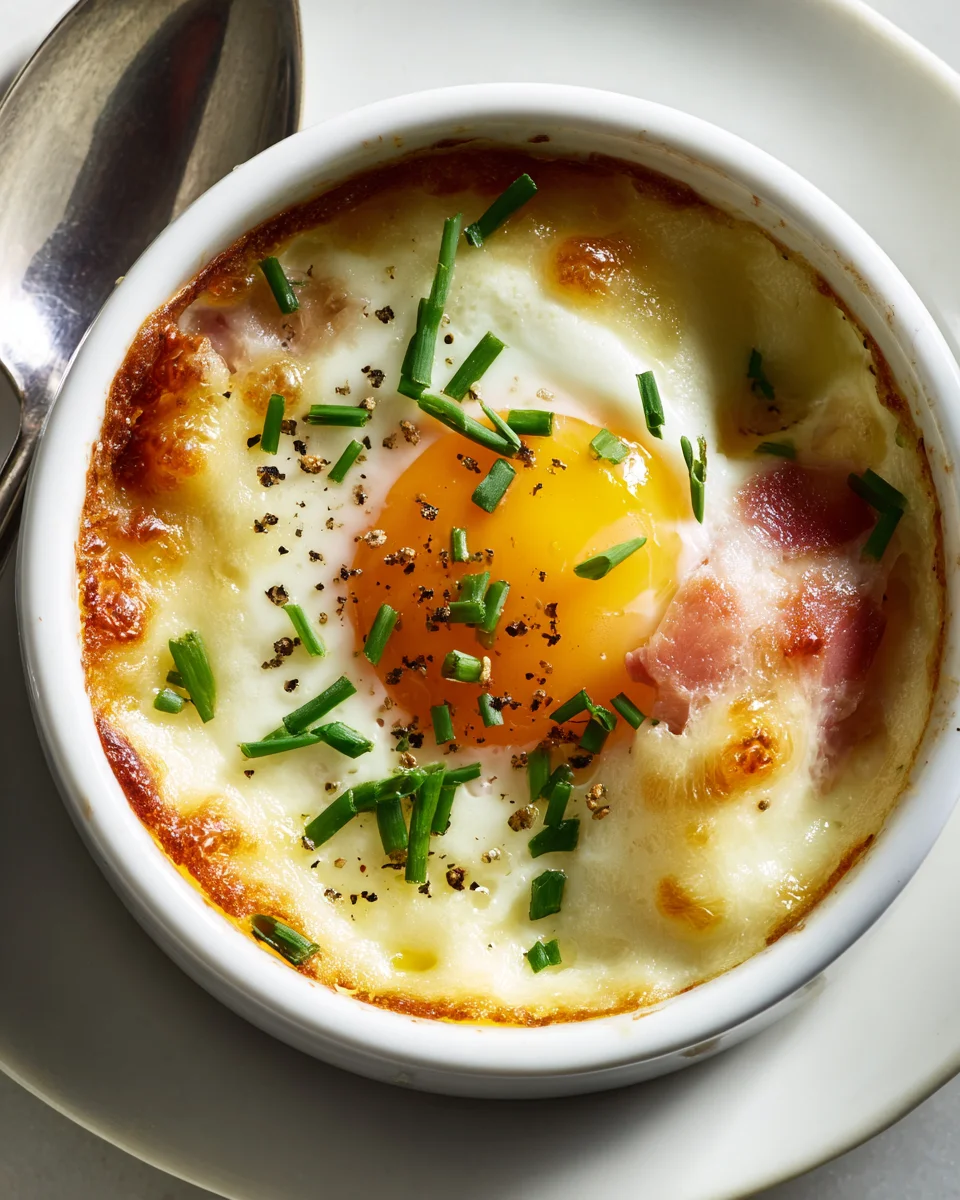
Readers, you’re going to fall in love with how effortlessly sophisticated this recipe makes you feel. It’s the kind of dish that impresses guests, yet takes minimal effort, leaving you more time to enjoy their company (and your own delicious meal!). The beauty of Eggs Cocotte lies in its gentle preparation: an egg, often nestled with a dollop of rich cream, perhaps some herbs or a sprinkle of cheese, all baked slowly in a water bath until the whites are just set and the yolk is wonderfully runny, ready to be dipped into with a piece of crusty bread. It’s warm, inviting, and utterly delicious – a true little culinary hug in a dish.

Eggs Cocotte: A French Culinary Gem
Oh, Eggs Cocotte! This dish truly holds a special place in my heart. It’s the epitome of simple elegance, transforming humble eggs into a sophisticated, comforting meal. Imagine perfectly cooked eggs, still wonderfully runny in the center, nestled in a rich bed of cream and your favorite additions, all gently baked in a small ramekin. It’s perfect for a leisurely brunch, a light lunch, or even a cozy dinner. I’m so excited to share my approach to this classic French delight with you!
Ingredient Notes
Getting your ingredients right is key to a sublime Eggs Cocotte. While the recipe itself is simple, quality truly shines through here. Let’s talk about what you’ll need and some wonderful alternatives.
- Eggs: Naturally, these are the stars! I always recommend using the freshest, highest quality large eggs you can find. Fresh eggs hold their shape better, and their yolks are richer and more vibrant. Ideally, let them come to room temperature for about 15-20 minutes before baking. This helps them cook more evenly in the cocotte.
- Cream: Traditionally, heavy cream (or double cream) is used, and it creates an incredibly luxurious, rich base that cradles the egg beautifully. The fat content prevents it from curdling under heat, ensuring a silky texture. If you’re looking for a lighter option, half-and-half works wonderfully too, offering a good balance of richness without being overly heavy. Whole milk can also be used for an even lighter version, but be mindful that the texture will be less decadent.
- Cheese: This is where you can add a lovely depth of flavor. My personal favorite is finely grated Gruyère; it melts beautifully and has a nutty, savory profile that complements the eggs perfectly. Parmesan, Comté, or even a good sharp cheddar are excellent choices. A little goes a long way here – we want flavor, not an overwhelming cheesy blanket.
- Beef Bacon or Beef Ham: For a savory kick, finely diced beef bacon or beef ham adds a fantastic smoky, salty element. Make sure to render the beef bacon first to get it crispy, then crumble it into the bottom of your ramekin. If using beef ham, a quick sauté can bring out its flavor. For non-meat options, sautéed mushrooms, wilted spinach, or smoked salmon bits are delightful alternatives.
- Herbs: Fresh herbs are non-negotiable for me in Eggs Cocotte. A sprinkle of fresh chives, parsley, or tarragon brightens the dish and adds a pop of color and freshness. Always add them after baking, just before serving, to preserve their vibrant flavor and appearance. Dried herbs, while convenient, just don’t offer the same delicate touch for this particular dish.
- Butter: A tiny knob of butter placed in the ramekin before the egg adds another layer of richness and helps prevent sticking. It’s a small detail that makes a difference.
- Salt and Freshly Ground Black Pepper: Simple seasonings are all you need. Season lightly as you go, remembering that cheese and beef bacon will also contribute saltiness.
Don’t be afraid to experiment with your favorite flavor combinations! That’s the beauty of this dish.
Step-by-Step Instructions
Mastering Eggs Cocotte is all about gentle heat and precise timing. The secret lies in the bain-marie (water bath), which ensures the eggs cook evenly and delicately, preventing them from becoming rubbery. Follow these steps for perfect results every time.
- Prepare Your Oven and Water Bath: Preheat your oven to 350°F (175°C). This temperature is ideal for gentle cooking. Find a baking dish or roasting pan that is large enough to hold your ramekins without them touching each other. Place your empty ramekins inside this larger dish. Bring a kettle of water to a boil, as you’ll need hot water for the water bath.
- Butter the Ramekins: Lightly butter the inside of each ramekin. This not only prevents sticking but also adds a lovely subtle flavor. I like to use soft butter for this, making it easy to spread evenly.
- Build Your Flavor Base: This is where you layer in your delicious additions. If you’re using finely diced beef bacon, crumble a small amount into the bottom of each buttered ramekin. Follow with a sprinkle of your chosen grated cheese, like Gruyère. If you’re adding other cooked ingredients like sautéed mushrooms or wilted spinach, add a small layer now. Be mindful not to overfill, as we need space for the egg and cream.
- Gently Add the Egg: Crack one large egg directly into each ramekin, being very careful not to break the yolk. The yolk should sit beautifully on top of your flavor base. I often crack my eggs into a small bowl first to ensure no shell gets in and to make it easier to slide the egg into the ramekin gently.
- Add the Cream and Season: Pour about 1 to 2 tablespoons of heavy cream (or half-and-half) around the egg yolk, allowing it to settle around the white. Be careful not to pour it directly onto the yolk. Season with a tiny pinch of salt and a grind of fresh black pepper. Remember, your other ingredients might already be salty, so season judiciously.
- Assemble the Water Bath: Carefully transfer the baking dish with the filled ramekins to the preheated oven. Now, pour the hot water from your kettle into the larger baking dish, making sure it comes up about halfway to two-thirds of the way up the sides of the ramekins. This hot water bath is crucial for even, gentle cooking.
- Bake to Perfection: Bake for 12 to 18 minutes. The exact timing will depend on your oven and your preferred yolk consistency. For a perfectly set white and a wonderfully runny yolk, I usually find 14-16 minutes is just right for large eggs. You’ll know they’re ready when the egg whites are set and opaque, but the yolks still jiggle slightly when you gently shake the ramekin. If you prefer a firmer yolk, bake for a couple more minutes.
- Serve Immediately: Carefully remove the baking dish from the oven. Using oven mitts, lift the ramekins out of the hot water bath and place them on a wire rack for a minute or two. They will be very hot! Garnish with fresh herbs, like chopped chives or parsley, right before serving.
Enjoy your exquisite Eggs Cocotte straight from the ramekin, perhaps with some crusty bread or toast for dipping!
Tips & Suggestions
Eggs Cocotte might seem straightforward, but a few insider tips can elevate your dish from good to absolutely glorious. I’ve learned these through many enjoyable experiments in my kitchen!
- The Magic of the Water Bath (Bain-Marie): I cannot stress this enough – the water bath is your best friend for Eggs Cocotte. It creates a moist, even heat environment that cooks the eggs gently and slowly, preventing them from overcooking, becoming rubbery, or getting those unpleasant browned edges. It also ensures the cream doesn’t curdle. Always use hot water for the bath so it doesn’t significantly lower the oven temperature or increase baking time too much.
- Egg Temperature: As I mentioned, bringing your eggs to room temperature helps them cook more evenly and gently. Cold eggs will take longer to cook and might result in a less uniform texture. It’s a small step that makes a noticeable difference.
- Doneness is Key: The ideal Eggs Cocotte has a perfectly set, opaque white and a wonderfully warm, runny, golden yolk. To check for doneness, gently jiggle a ramekin. If the whites are set and the yolk still trembles, they’re ready. Remember, they will continue to cook slightly from residual heat once removed from the oven. Err on the side of slightly undercooked rather than overcooked.
- Customization is Encouraged: This recipe is a fantastic canvas for your culinary creativity!
- Cheeses: Beyond Gruyère, try sharp cheddar, crumbled feta, goat cheese, or even a blend.
- Vegetables: Sautéed spinach, finely diced bell peppers, roasted asparagus tips, or even a spoonful of ratatouille can be layered at the bottom. Ensure any vegetables are cooked down and not overly watery.
- Proteins: Instead of beef bacon or beef ham, consider smoked salmon, cooked shrimp, or even leftover cooked shredded beef for a richer flavor.
- Spices: A pinch of smoked paprika, a dash of nutmeg, or a tiny bit of cayenne pepper can add interesting depth.
- Serving Suggestions: Eggs Cocotte is absolutely heavenly served with crusty bread, toast points, or brioche for dipping into that glorious runny yolk and creamy sauce. A simple side salad with a vinaigrette can make it a complete and elegant meal. I love to serve it with a freshly brewed cup of coffee or a non-alcoholic mimosa.
- Scaling the Recipe: This recipe scales beautifully. Just ensure you have a large enough baking dish to accommodate all your ramekins in the water bath without them touching. Adjust the amount of beef bacon, cheese, and cream per ramekin accordingly.
With these tips, you’re well on your way to crafting your perfect Eggs Cocotte!
Storage
When it comes to Eggs Cocotte, I always tell people that it’s truly a dish best enjoyed fresh, straight from the oven. The delicate texture of the perfectly cooked egg white and the warm, runny yolk are at their peak right after baking. However, I understand that sometimes you might have leftovers, or you might want to prepare ahead. Here’s my advice:
- Best Eaten Fresh: I highly recommend serving and consuming your Eggs Cocotte immediately after baking. The magic of the runny yolk and the silky texture of the cream and egg white are fleeting and difficult to replicate after cooling.
- Refrigeration (Not Ideal): If you do have leftovers, you can cover the ramekins tightly with plastic wrap and refrigerate them for up to one day. However, please be aware that the texture will change significantly. The yolk will firm up, and the egg white may become a little rubbery. It simply won’t have that fresh-baked delicate quality.
- Reheating: Reheating Eggs Cocotte is tricky if you want to preserve that perfect runny yolk.
- Oven Method: Your best bet for reheating is to place the covered ramekin back in a water bath in a preheated oven (around 300°F/150°C) for about 10-15 minutes, or until warmed through. Be very careful not to overcook, as the egg will continue to set. The yolk will likely be firmer than when first cooked.
- Microwave Method (Not Recommended): While technically possible, I strongly advise against using a microwave. It heats unevenly and will almost certainly result in a rubbery egg and a fully set, hard yolk, losing the essence of Eggs Cocotte entirely.
- Preparing Ahead: If you want to get a head start, you can prep some of the components in advance. You can cook and crumble your beef bacon, grate your cheese, and chop your herbs a day or two before. Store them separately in airtight containers in the refrigerator. Then, on the day of, it’s just a matter of assembling and baking, which makes the whole process much quicker and less stressful, especially if you’re entertaining!
Ultimately, to truly savor the experience of Eggs Cocotte, plan to enjoy it fresh and hot from the oven. It’s a small luxury worth indulging in!
Final Thoughts
Well, there you have it! My simple guide to making delightful Eggs Cocotte. I truly hope you’ll give this elegant dish a try. You’ll find that Eggs Cocotte is an absolute marvel – incredibly easy to prepare yet undeniably sophisticated, making it perfect for anything from a leisurely weekend brunch to an impressive, yet effortless, light dinner. Its charm lies in its versatility and the beautiful way the eggs bake to perfection in their cozy ramekins, bathed in a rich, flavorful sauce that you can personalize to your heart’s content. Trust me, once you experience the creamy yolks and savory goodness of Eggs Cocotte, you’ll understand why it’s a staple in so many kitchens. It’s a comforting, customizable, and truly delightful experience waiting to be savored. Enjoy every spoonful!
Perfect Eggs Cocotte: Creamy Baked Eggs, Simple & Savory

Experience the elegance of Eggs Cocotte, a delightful dish that transforms simple ingredients into a gourmet meal. Perfect for brunch or a light dinner, these creamy baked eggs are a comforting indulgence.
- Prep Time: 15 mins
- Cook Time: 18 mins
- Total Time: 33 minutes
- Yield: 4 servings
- Category: Brunch
- Method: Baking
- Cuisine: French
Ingredients
- Large eggs
- Heavy cream or double cream
- Finely grated Gruyère cheese
- Beef bacon or beef ham
- Fresh chives
- Fresh parsley
- Fresh tarragon
- Butter
- Salt
- Freshly ground black pepper
Instructions
- Preheat your oven to 350°F (175°C) and prepare a baking dish or roasting pan large enough to hold your ramekins without them touching each other. Place the empty ramekins inside this larger dish and bring a kettle of water to a boil.
- Lightly butter the inside of each ramekin to prevent sticking and add flavor.
- Crumble a small amount of finely diced beef bacon into the bottom of each buttered ramekin, followed by a sprinkle of grated cheese. If using other cooked ingredients like sautéed mushrooms or wilted spinach, add a small layer now.
- Crack one large egg directly into each ramekin, being careful not to break the yolk.
- Pour about 1 to 2 tablespoons of heavy cream around the egg yolk, then season with a tiny pinch of salt and a grind of fresh black pepper.
- Carefully transfer the baking dish with the filled ramekins to the preheated oven. Pour the hot water from your kettle into the larger baking dish, ensuring it comes up about halfway to two-thirds of the way up the sides of the ramekins.
- Bake for 12 to 18 minutes, depending on your preferred yolk consistency. The eggs are ready when the whites are set and opaque, but the yolks still jiggle slightly.
- Remove the baking dish from the oven and carefully lift the ramekins out of the hot water bath. Garnish with fresh herbs right before serving.
Nutrition
- Serving Size: 1 ramekin
- Calories: 300
- Sugar: 1 g
- Sodium: 400 mg
- Fat: 25 g
- Saturated Fat: 15 g
- Unsaturated Fat: 8 g
- Trans Fat: 0 g
- Carbohydrates: 2 g
- Fiber: 0 g
- Protein: 15 g
- Cholesterol: 300 mg
Keywords: Experiment with different cheeses, vegetables, and proteins to customize your Eggs Cocotte. Serve with crusty bread or toast for dipping into the creamy yolk.