
Are you tired of scrambling for dinner ideas on those packed weeknights? Do you crave something warm, comforting, and utterly delicious, but just don’t have hours to spend in the kitchen? Well, my friends, you’ve come to the right place!
Instant Pot Soup Recipes For Busy Weeknights
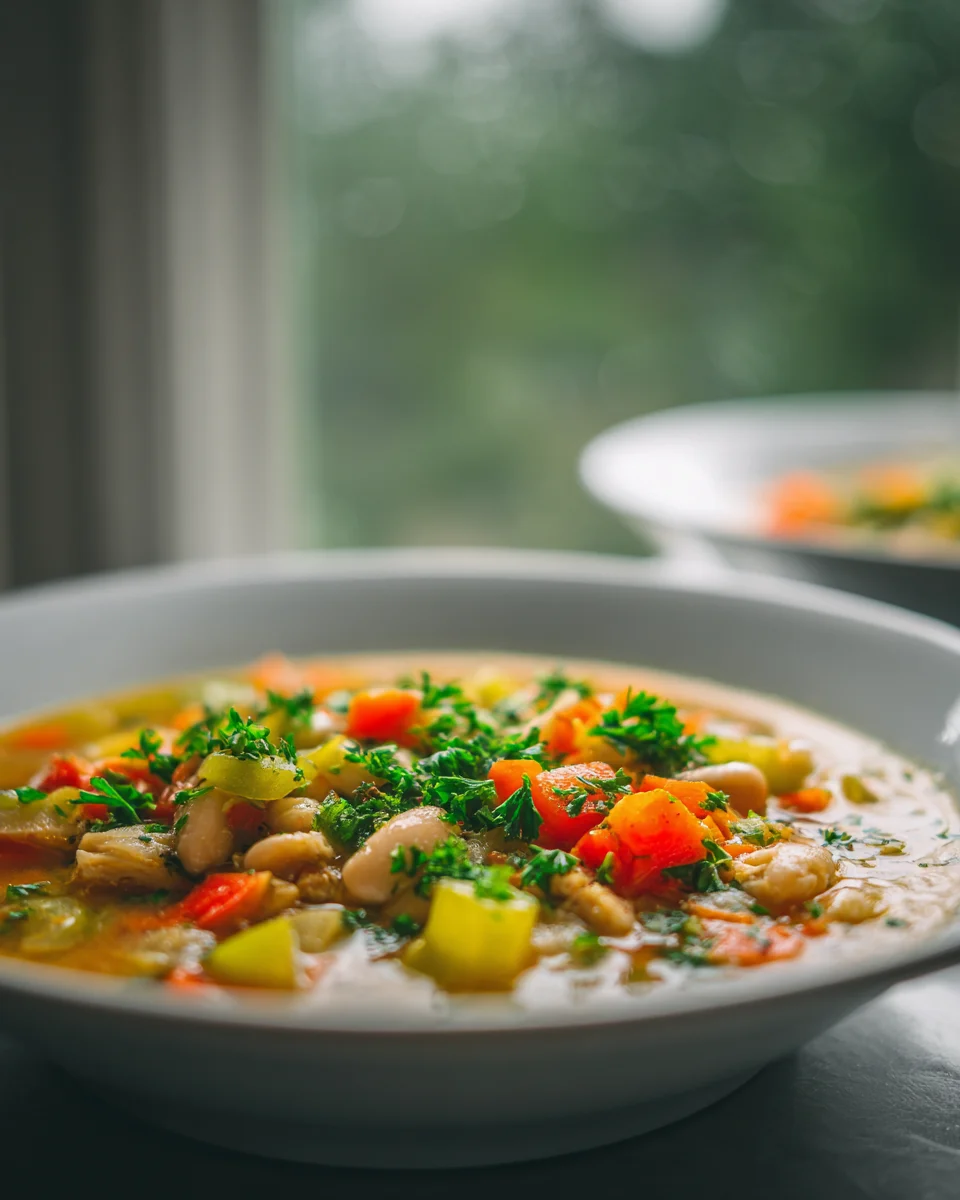
I’m absolutely thrilled to share with you my collection of Instant Pot Soup Recipes For Busy Weeknights. This isn’t just about one soup; it’s a treasure trove of hearty, flavorful, and incredibly easy soup ideas, all designed to be made quickly and efficiently in your Instant Pot. What makes these recipes so special is the magic of pressure cooking – it transforms ingredients into rich, simmered-all-day tasting soups in a fraction of the time, meaning you can enjoy a wholesome, homemade meal even on your most hectic evenings.
You’ll absolutely love these recipes because they’re a lifesaver! Imagine coming home after a long day and having a steaming bowl of delicious soup ready for your family in under an hour, often with minimal prep. From creamy tomato to robust lentil or a speedy beef and vegetable, each recipe is a testament to how simple and satisfying weeknight cooking can be. We’ll explore a variety of comforting options, from light broths to thick, hearty meals, all promising maximum flavor with minimum fuss. Say goodbye to takeout and hello to easy, cozy dinners!

Ingredient Notes
When I’m whipping up Instant Pot soup recipes for busy weeknights, I always gravitate towards ingredients that are not only delicious but also incredibly efficient and versatile. The beauty of the Instant Pot is how it transforms simple pantry staples into a comforting meal in a fraction of the time, making it perfect for those hectic evenings.
- Proteins: For a hearty soup, I often reach for quick-cooking proteins. Ground beef or beef stew meat are fantastic choices, especially when you want something substantial. Ground beef browns beautifully right in the Instant Pot on the Sauté function, adding layers of flavor. Beef stew meat, usually tough, becomes melt-in-your-mouth tender under pressure. If you prefer poultry, boneless, skinless chicken breasts or thighs are also excellent. For a plant-based option, I love incorporating lentils (red or green), chickpeas, or cannellini beans – they cook perfectly under pressure and add a wonderful creaminess and fiber.
- Aromatics: The foundation of almost any good soup starts with your aromatics. Onion, garlic, and celery are non-negotiable for me. They build a deep flavor base that permeates the entire soup. Carrots add a touch of sweetness and vibrant color. I always keep these on hand, often pre-chopping them on a Sunday to save time during the week.
- Broth: This is the soul of your soup! I usually opt for low-sodium beef broth, chicken broth, or vegetable broth, depending on the protein and flavor profile I’m aiming for. Having a good quality broth makes a significant difference. Sometimes, I’ll use a combination of broth and canned diced tomatoes for a richer, tangier base, especially for Italian-inspired soups.
- Vegetables: Beyond the core aromatics, I love to bulk up my weeknight soups with plenty of vegetables. Canned diced tomatoes are a staple for texture and acidity. Frozen peas, corn, or chopped spinach are excellent additions at the end of the cooking cycle, adding nutrients and freshness without requiring any prep. Heartier vegetables like potatoes, sweet potatoes, or winter squash can be added before pressure cooking and will soften beautifully.
- Herbs & Spices: Don’t underestimate the power of dried herbs and spices! Dried oregano, basil, thyme, bay leaves, and a touch of smoked paprika can elevate a simple soup to something truly extraordinary. For fresh herbs, I often stir in chopped parsley or cilantro right before serving to brighten everything up.
Substitutions I love:
- Protein Swaps: If a recipe calls for beef, feel free to substitute with ground turkey, chicken, or even a hearty combination of beans and grains for a vegetarian twist. Lentils are fantastic for adding protein and thickening a soup without any meat.
- Veggie Flexibility: Don’t have carrots? Use parsnips! No spinach? Toss in some kale or even frozen mixed vegetables. The beauty of soup is its adaptability.
- Broth Variations: While beef broth is rich, vegetable broth works well in almost any soup base, making it suitable for vegetarian options or when you want a lighter flavor. For a creamy soup, a splash of coconut milk or dairy-free cream substitute can be stirred in at the end.
Step-by-Step Instructions
Making a delicious, comforting soup in the Instant Pot on a busy weeknight is surprisingly straightforward. Here’s my go-to process that works for a wide variety of soup recipes:
- Sauté Aromatics and Brown Meat (if using): I always start by pressing the “Sauté” button on my Instant Pot and adding a drizzle of olive oil. Once hot, I’ll add my chopped onions, celery, and carrots. I let them cook for 3-5 minutes until they start to soften and become fragrant. If I’m using ground beef or beef stew meat, I’ll add it now and brown it, breaking it up with a wooden spoon, until it’s no longer pink (for ground beef) or nicely seared (for stew meat). This step is crucial for building deep flavor.
- Add Garlic and Deglaze: Once the meat is browned and the vegetables are softened, I stir in minced garlic and cook for another minute until fragrant. Then, it’s time to deglaze the pot. I pour in a splash of beef broth, vegetable broth, or even a little apple cider vinegar (a great non-alcohol alternative!) and scrape the bottom of the pot with a wooden spoon to loosen any browned bits. This prevents the dreaded “Burn” notice and adds even more flavor to the soup.
- Layer in Ingredients: Now, I add the rest of my main ingredients. This usually includes diced tomatoes (if using), potatoes, other hard vegetables, dried herbs and spices, and the majority of my broth. It’s important to ensure the liquid covers most of the solid ingredients, but don’t overfill past the “Max” line. If I’m using ingredients like pasta or delicate greens (like spinach), I save them for after the pressure cooking cycle.
- Pressure Cook: I secure the lid on the Instant Pot, make sure the sealing release valve is in the “Sealing” position, and select the “Pressure Cook” or “Manual” setting. The cooking time will vary depending on the ingredients (e.g., lentils might need 10-15 minutes, beef stew might need 20-30 minutes). I usually set it to High Pressure.
- Natural or Quick Release: Once the cooking cycle is complete, the Instant Pot will beep. For most hearty soups with meat or beans, I prefer to let the pressure release naturally for 5-10 minutes (Natural Release) before carefully moving the sealing release valve to the “Venting” position for a Quick Release. This helps prevent foamy liquids from spraying and allows the ingredients to settle. For quicker cooking soups, or when I’m truly pressed for time, I’ll go straight to a Quick Release after the cooking time.
- Finish and Serve: After the pressure has fully released and the float valve has dropped, I carefully remove the lid. This is when I stir in any quick-cooking ingredients like fresh spinach, cooked pasta, frozen peas, or a splash of cream or coconut milk if I want a richer texture. I taste and adjust seasonings, adding salt, pepper, or a squeeze of fresh lemon juice if needed. Then, it’s ready to ladle into bowls and enjoy!
Tips & Suggestions
Making soup in the Instant Pot is already a time-saver, but I’ve picked up a few extra tricks over the years to make weeknight soup even easier and more delicious:
- Prep Ahead for Peak Efficiency: On a Sunday, I often spend 20-30 minutes chopping my onions, carrots, and celery for the week. Stored in airtight containers, they’re ready to go into the Instant Pot on a busy Tuesday, cutting down prep time significantly. I also pre-portion ground beef or chicken into freezer bags.
- Prevent the “Burn” Notice: The Instant Pot’s “Burn” notice can be a weeknight buzzkill. To avoid it, always deglaze the pot thoroughly after sautéing to remove any stuck-on food bits. When layering ingredients, try to keep thicker sauces or canned tomatoes on top of the liquid, rather than directly on the bottom, as these can easily scorch. Ensure there’s enough liquid in the pot for proper pressure build-up.
- Embrace Frozen Vegetables: Don’t hesitate to use frozen vegetables! They are already prepped and often just as nutritious as fresh. I toss in frozen corn, peas, or mixed vegetables towards the end of the cooking cycle, or even right after pressure release, using the residual heat to warm them through.
- Speedy Garnishes for Flavor Boost: A simple garnish can elevate a weeknight soup. A sprinkle of fresh parsley or cilantro, a dollop of sour cream or Greek yogurt, a few croutons, or a grating of Parmesan cheese can add texture and a burst of fresh flavor without much effort.
- Batch Cook and Freeze: Instant Pot soups are perfect for batch cooking. I often double a recipe and freeze half for another busy weeknight. Most soups freeze beautifully, making future dinners a breeze. Just remember to leave some headspace in your containers as liquids expand when frozen.
- Flavor Enhancers: For an extra layer of flavor, consider adding a bay leaf during pressure cooking and removing it before serving. A dash of Worcestershire sauce or even a spoonful of nutritional yeast can add umami depth to almost any savory soup. For a little tang, a squeeze of fresh lemon juice or a splash of red wine vinegar stirred in at the end can brighten the whole dish.
- Avoid Overfilling: Always be mindful of the “Max Fill” line inside your Instant Pot. Overfilling can lead to issues with pressure building and potential messes. Soups often require plenty of liquid, but it’s crucial to stay within safe limits.
Storage
One of the best things about making Instant Pot soups for busy weeknights is how well they store. They are fantastic for meal prep, allowing you to cook once and enjoy multiple meals throughout the week, or even stock your freezer for future quick dinners.
- Refrigeration: Once your soup has cooled completely to room temperature (this is critical for food safety!), transfer it to airtight containers. I prefer using glass containers as they don’t stain or retain odors. Properly stored in the refrigerator, most Instant Pot soups will last for 3-4 days. This makes them ideal for packing into lunch containers or having ready for a quick reheat after a long day.
- Freezing: Soups are incredibly freezer-friendly, making them perfect for batch cooking. After the soup has cooled, portion it into freezer-safe containers, heavy-duty freezer bags, or even silicone muffin trays (for individual servings) before transferring to the freezer. Remember to leave about an inch of headspace in containers, as liquids expand when frozen. Frozen soup can last for 2-3 months without a significant loss in quality. When I’m planning ahead, I often label my containers with the date and type of soup.
- Thawing and Reheating:
- From Refrigerator: Reheat refrigerated soup on the stovetop over medium heat, stirring occasionally, until it’s hot and simmering. Alternatively, you can microwave individual portions in a microwave-safe bowl, stirring halfway through, until heated through.
- From Freezer: For best results, I recommend thawing frozen soup overnight in the refrigerator. Once thawed, reheat as you would refrigerated soup. If you’re in a hurry, you can often reheat frozen soup directly from the freezer on the stovetop over low heat, stirring frequently and breaking up chunks as it thaws, until it’s fully heated. Be patient and keep the heat low to prevent scorching.
- A Note on Dairy and Pasta: Soups that contain a lot of dairy (like creamy potato soup) or pasta can sometimes change texture a bit after freezing and thawing. Dairy might separate slightly, and pasta can become softer. If you know you’re going to freeze a large batch, sometimes it’s best to add the dairy or cooked pasta to individual portions after thawing and reheating, if the recipe allows. However, for most Instant Pot soups, this isn’t a significant issue.
Having a stash of homemade Instant Pot soup in the fridge or freezer is my secret weapon for truly busy weeknights!
Final Thoughts
I truly hope you’ve found some wonderful inspiration within these Instant Pot Soup Recipes For Busy Weeknights. My goal was to equip you with delicious, warming meals that don’t demand hours in the kitchen, and I believe this collection delivers just that. With your Instant Pot, you’re not just cooking; you’re reclaiming your evenings, enjoying hearty, homemade goodness with minimal fuss. The beauty of these dishes is their adaptability, too – whether you’re opting for rich beef options, or exploring non-alcohol alternatives to enhance flavors, these recipes are designed to fit your preferences. Give these Instant Pot Soup Recipes For Busy Weeknights a try – I promise your taste buds and your schedule will thank you for making weeknight dinners a breeze!
Instant Pot Soup Recipes: Quick & Easy Weeknight Meals

Discover a collection of hearty and flavorful Instant Pot soup recipes perfect for busy weeknights. Enjoy wholesome, homemade meals ready in under an hour with minimal prep time!
- Prep Time: 15 mins
- Cook Time: 30 mins
- Total Time: 45 minutes
- Yield: 4 servings
- Category: Dinner
- Method: Pressure Cooking
- Cuisine: Various
Ingredients
- Ground beef or beef stew meat
- Boneless, skinless chicken breasts or thighs
- Lentils (red or green)
- Chickpeas
- Cannellini beans
- Onion
- Garlic
- Celery
- Carrots
- Low-sodium beef broth
- Chicken broth
- Vegetable broth
- Canned diced tomatoes
- Potatoes
- Sweet potatoes
- Winter squash
- Frozen peas
- Corn
- Chopped spinach
- Dried oregano
- Basil
- Thyme
- Bay leaves
- Smoked paprika
- Chopped parsley
- Cilantro
- Olive oil
- Apple cider vinegar
- Salt
- Pepper
- Fresh lemon juice
- Coconut milk or dairy-free cream substitute
Instructions
- Sauté Aromatics and Brown Meat (if using): Press the 'Sauté' button on the Instant Pot and add a drizzle of olive oil. Once hot, add chopped onions, celery, and carrots. Cook for 3-5 minutes until softened and fragrant. If using ground beef or beef stew meat, add it now and brown it until no longer pink or nicely seared.
- Add Garlic and Deglaze: Stir in minced garlic and cook for another minute until fragrant. Pour in a splash of beef broth, vegetable broth, or apple cider vinegar and scrape the bottom of the pot to loosen any browned bits.
- Layer in Ingredients: Add the rest of the main ingredients including diced tomatoes, potatoes, hard vegetables, dried herbs and spices, and the majority of the broth. Ensure the liquid covers most solid ingredients but do not overfill past the 'Max' line.
- Pressure Cook: Secure the lid on the Instant Pot, set the sealing release valve to 'Sealing', and select the 'Pressure Cook' or 'Manual' setting. Cooking time varies depending on ingredients.
- Natural or Quick Release: Once cooking is complete, let the pressure release naturally for 5-10 minutes before carefully moving the sealing release valve to 'Venting' for a Quick Release.
- Finish and Serve: After the pressure has fully released, remove the lid. Stir in any quick-cooking ingredients like fresh spinach, cooked pasta, or frozen peas. Adjust seasonings and serve.
Nutrition
- Serving Size: 1 bowl
- Calories: 350
- Sugar: 5 g
- Sodium: 600 mg
- Fat: 10 g
- Saturated Fat: 3 g
- Unsaturated Fat: 5 g
- Trans Fat: 0 g
- Carbohydrates: 45 g
- Fiber: 10 g
- Protein: 20 g
- Cholesterol: 70 mg
Keywords: Prep ahead by chopping onions, carrots, and celery on a Sunday. Use frozen vegetables for convenience. Avoid the 'Burn' notice by deglazing the pot thoroughly and layering ingredients properly.