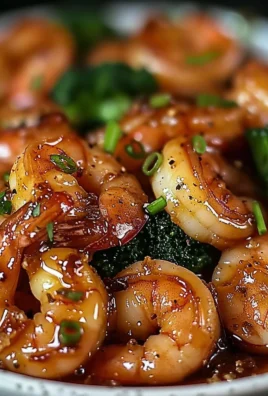
Seafood Fried Rice is more than just a dish; it’s a vibrant symphony of flavors that transports your senses to bustling Asian markets and serene coastal villages with every forkful. Imagine perfectly cooked rice, kissed by a wok’s heat, mingling with succulent shrimp, tender calamari, and flaky fish, all brought together by an aromatic blend of soy sauce, ginger, and garlic. It’s a culinary masterpiece that began centuries ago in China as a humble way to transform leftover rice into a comforting and satisfying meal, a tradition that has since spread across the globe and evolved into countless delicious variations.
I find that people absolutely adore this dish not only for its incredible taste and delightful textural contrasts – from the fluffy grains to the ocean-fresh seafood and crisp vegetables – but also for its remarkable versatility and relatively quick preparation. There’s something truly magical about how simple ingredients can come together to create such a profound depth of flavor. Whether you’re a seasoned chef or a home cook looking for an impressive yet accessible meal, mastering Seafood Fried Rice will undoubtedly earn you rave reviews and become a cherished recipe in your repertoire. It’s a dish that promises comfort, excitement, and a burst of umami in every bite, making it perfect for any occasion, from a quick weeknight dinner to a special gathering.

Ingredients:
Creating an incredible Seafood Fried Rice truly begins with selecting the right ingredients and ensuring they’re prepared to perfection. Here’s what you’ll need to embark on this delicious culinary adventure. Remember, fresh is always best, especially when it comes to seafood!
- For the Rice:
- 3 cups cooked jasmine rice, chilled (ideally day-old rice is essential for the best texture, as freshly cooked rice contains too much moisture and can lead to a mushy fried rice. If you must use freshly cooked rice, spread it out on a baking sheet and let it cool completely in the refrigerator for at least an hour to dry out.)
- For the Seafood:
- 8 ounces medium shrimp, peeled and deveined
- 8 ounces calamari rings and tentacles, cleaned and patted dry
- 6 ounces small scallops, patted dry (if using larger scallops, you might want to halve them)
- 1 tablespoon neutral oil (like canola, vegetable, or grapeseed oil) for searing
- For the Aromatics and Vegetables:
- 3 large eggs, lightly beaten
- 3 cloves garlic, minced finely
- 1-inch piece fresh ginger, peeled and minced or grated
- 1 medium yellow onion, finely diced
- 1 cup frozen mixed vegetables (carrots, peas, corn), thawed and drained
- 3 green onions (scallions), thinly sliced, divided (white and light green parts for cooking, dark green parts for garnish)
- For the Sauce Mixture:
- 3 tablespoons light soy sauce (or tamari for gluten-free)
- 1 tablespoon dark soy sauce (for color and richer flavor, optional but recommended)
- 1 tablespoon oyster sauce (adds umami and gloss, omit for vegetarian/vegan with a mushroom-based alternative)
- 1 teaspoon sesame oil
- ½ teaspoon white pepper
- Pinch of sugar (optional, to balance flavors)
- For Cooking:
- 3-4 tablespoons neutral oil (such as canola, vegetable, or grapeseed oil) for frying
Preparing Your Ingredients: The Foundation of Flavor
Before you even think about firing up your wok, a crucial step in achieving that perfect, restaurant-quality Seafood Fried Rice is meticulous preparation, often referred to as “mise en place.” This means having all your ingredients ready, chopped, measured, and within arm’s reach. Trust me, once you start cooking, things move quickly, and you won’t have time to stop and chop!
- Rice Preparation: As mentioned, day-old jasmine rice is your secret weapon here. If your rice is freshly cooked, spread it out thinly on a baking sheet and pop it into the refrigerator for at least an hour, or even overnight. This process helps to dry out the individual grains, preventing them from clumping together and turning mushy when fried. We want beautifully separated, slightly chewy grains that absorb flavor, not a soggy mess.
- Seafood Preparation:
- For the shrimp, ensure they are peeled and deveined. Give them a quick rinse under cold water and then, crucially, pat them thoroughly dry with paper towels. Excess moisture will steam the shrimp instead of searing them, hindering that lovely, slightly crisp exterior.
- Calamari rings and tentacles should also be well-cleaned. If you bought whole calamari, slice the bodies into rings and separate the tentacles. Again, pat them very dry.
- Scallops, whether bay or sea scallops, also benefit from a thorough pat-down. If you’re using larger sea scallops, you might want to cut them in half horizontally to match the size of the other seafood, ensuring even cooking.
- Once dry, you can lightly season the seafood with a tiny pinch of salt and white pepper. Some prefer to do this right before cooking to avoid drawing out moisture too early.
- Aromatics and Vegetable Preparation:
- Mince your garlic and ginger very finely. A microplane can work wonders for the ginger if you prefer a smoother texture without fibrous bits. These aromatics are the backbone of our flavor profile.
- Finely dice your yellow onion. The goal is small pieces that will soften and become translucent without overpowering the dish.
- Thaw your frozen mixed vegetables. Once thawed, give them a good drain to remove any excess water. This is another step to prevent a watery fried rice.
- Slice your green onions. Separate the white and light green parts from the darker green tops. The white and light green parts will go into the wok earlier for a gentle onion flavor, while the darker green parts are reserved for a fresh, vibrant garnish at the very end.
- Sauce Mixture: In a small bowl, combine the light soy sauce, dark soy sauce (if using), oyster sauce, sesame oil, white pepper, and a pinch of sugar (if desired). Whisk everything together until well combined. Having this sauce ready means you can simply pour it in when needed, without fumbling for bottles during the fast-paced cooking process. This step is often overlooked but truly saves precious seconds when the wok is screaming hot!
Cooking the Aromatics and Eggs: Building the Base
Now that all your ingredients are prepped and ready, we can finally begin the cooking process. We’ll start by building a flavorful foundation with our eggs and aromatics. Using a large wok or a very large skillet with high sides is ideal for fried rice, as it allows for proper heat distribution and prevents overcrowding.
- Scramble the Eggs: Heat 1 tablespoon of neutral oil in your wok or skillet over medium-high heat until it shimmers. Pour in your lightly beaten eggs. Let them set for a few seconds, then gently scramble them until they are just cooked through but still soft and fluffy. You don’t want them rubbery. Once cooked, immediately transfer the scrambled eggs to a clean plate and set aside. We’ll add them back in at the end. The key here is to avoid overcooking the eggs, as they will cook further when mixed into the rice.
- Sauté the Aromatics: Add another tablespoon of neutral oil to the same wok (or skillet). Reduce the heat slightly to medium. Add the minced garlic and ginger. Stir-fry for about 30-60 seconds until fragrant. Be careful not to burn the garlic, as burnt garlic can impart a bitter flavor to the entire dish. The kitchen should now be filled with a wonderful aroma – a sign that we’re on the right track!
- Cook the Onions: Add the finely diced yellow onion to the wok with the garlic and ginger. Continue to stir-fry for 2-3 minutes, or until the onions have softened and become translucent. This step helps to release their natural sweetness, adding another layer of depth to our fried rice.
Frying the Seafood: Perfection in Every Bite
The seafood is undoubtedly the star of this dish, and we want it to be perfectly cooked – tender, succulent, and full of flavor, never rubbery or tough. This step requires a hot wok and quick hands!
- Sear the Seafood: Push the cooked aromatics and onions to one side of the wok. Add another tablespoon of neutral oil to the empty side, increasing the heat to high. Once the oil is shimmering and almost smoking, add your prepared shrimp, calamari, and scallops in a single layer if possible. Avoid overcrowding the pan, as this will lower the temperature and cause the seafood to steam instead of sear. You might need to do this in two batches.
- Cook Quickly: Stir-fry the seafood vigorously for only 2-3 minutes. The shrimp will turn pink and opaque, the calamari will curl and become white, and the scallops will develop a slight golden crust and turn opaque. As soon as the seafood is just cooked through, looking perfectly tender and juicy, immediately remove it from the wok and transfer it to the plate with the scrambled eggs. Overcooked seafood is tough and chewy, so keep a close eye on it! We’re aiming for perfectly succulent pieces that melt in your mouth.
The Rice and Veggies: Bringing it All Together
This is where the magic truly happens, transforming individual ingredients into a harmonious, flavorful “Seafood Fried Rice.” The key here is high heat and constant movement to ensure every grain of rice is coated and develops a slightly toasted flavor.
- Add Remaining Vegetables: Add the thawed and drained mixed vegetables to the wok, along with the white and light green parts of your sliced green onions. Stir-fry for 1-2 minutes until they are heated through and slightly tender-crisp. We want them to retain a bit of their bite.
- Introduce the Rice: Push the vegetables to the side, or add another tablespoon of oil to the center of the wok if needed. Add the chilled, day-old jasmine rice directly into the hot wok. Break up any clumps of rice with your spatula or spoon. It’s crucial to spread the rice out across the surface of the wok to maximize contact with the hot metal, allowing it to “fry” rather than just steam.
- Fry the Rice: Stir-fry the rice vigorously for 3-5 minutes, continuously tossing and folding it. You should hear the rice crackling and popping, indicating it’s getting properly fried and developing that lovely nutty flavor and slightly chewy texture. This is where a good wok spatula comes in handy, allowing you to scrape the bottom and sides effectively.
- Incorporate the Sauce: Once the rice looks nicely fried and separated, pour the prepared sauce mixture evenly over the rice. Continue to stir-fry and toss for another 2-3 minutes, ensuring that every grain of rice is thoroughly coated with the delicious, savory sauce. You’ll notice the rice taking on a beautiful golden-brown hue, especially if you used dark soy sauce. The aroma will be absolutely intoxicating at this point!
The Grand Finale: Final Touches and Serving
We are almost there! All the wonderful components are ready to be reunited, creating a symphony of flavors and textures in your Seafood Fried Rice. This final stage is about bringing everything together and adding those finishing touches that elevate the dish.
- Reunite Seafood and Eggs: Gently add the cooked seafood and scrambled eggs back into the wok with the fried rice. Toss everything together carefully for about 1 minute, just long enough to heat the seafood and eggs through and integrate them with the rice. You want to avoid over-mixing at this stage to keep the delicate seafood intact.
- Final Seasoning Check: Taste the fried rice. This is your moment to adjust the seasoning. Do you need a touch more soy sauce for saltiness? A dash more white pepper for a gentle kick? Perhaps another small drizzle of sesame oil for more aroma? Adjust according to your preference.
- Garnish and Serve: Turn off the heat. Sprinkle the remaining dark green parts of your sliced green onions over the fried rice. Give it one final, gentle toss.
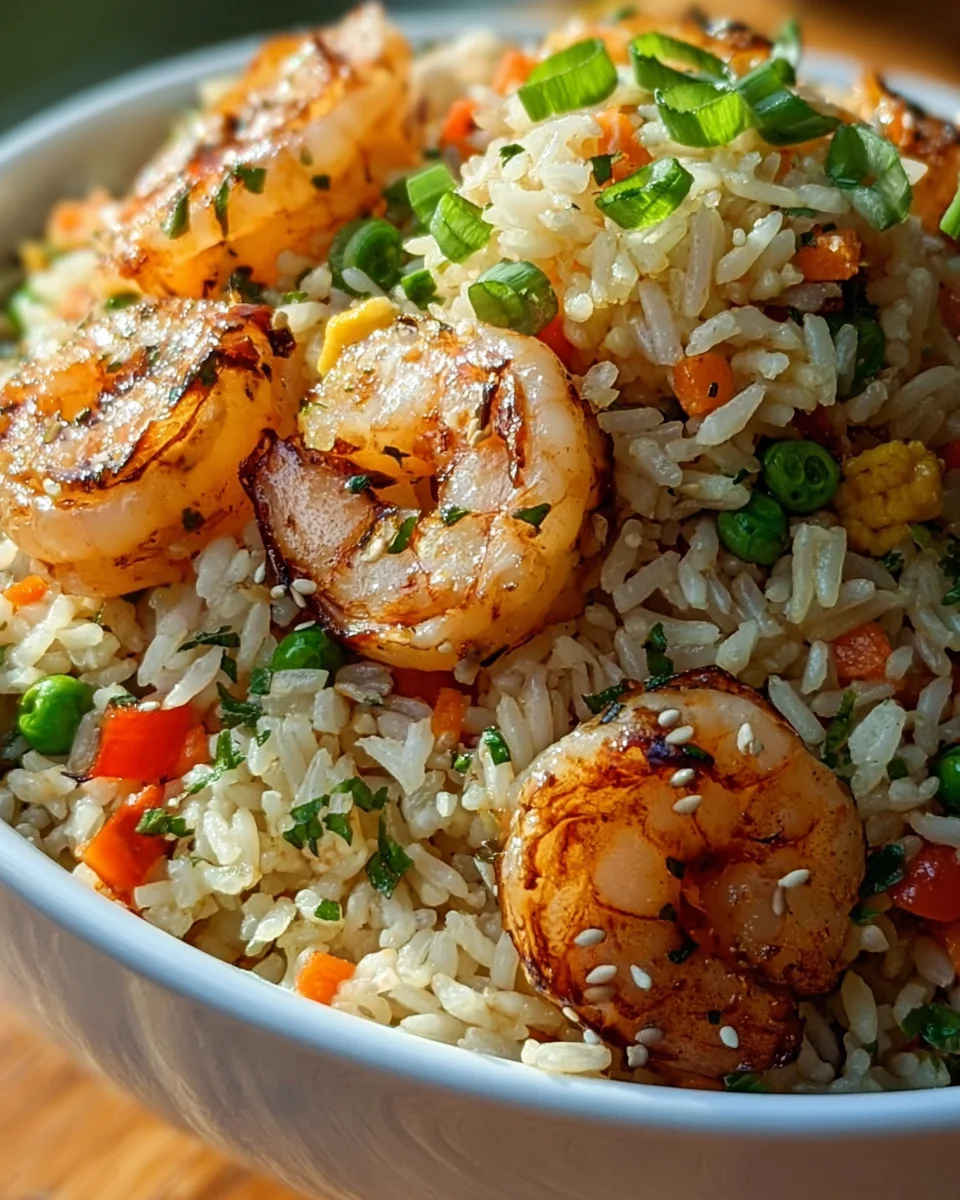
- Plate and Enjoy: Transfer your glorious Seafood Fried Rice immediately to serving plates or a large serving platter. Serve hot and enjoy the fruits of your labor! This dish is a complete meal on its own, but it also pairs wonderfully with a side of crisp cucumber salad or some steamed greens. The combination of perfectly cooked rice, tender seafood, savory sauce, and fresh aromatics truly makes this a showstopper. Enjoy every delightful spoonful of your homemade Seafood Fried Rice!
Conclusion:
As we wrap up our culinary journey with this incredible recipe, I truly hope you’re feeling inspired to get into your kitchen and experience the magic for yourself. This isn’t just another stir-fry; it’s a vibrant symphony of flavors and textures that comes together with surprising ease, proving that gourmet-quality meals are absolutely achievable at home, even on a busy weeknight. What makes this particular take on fried rice an absolute must-try is its perfect balance: the inherent sweetness of fresh seafood, the savory depth of the umami-rich sauces, and the comforting chewiness of perfectly cooked rice, all elevated by aromatic garlic and ginger, and a delightful crispness from the quick wok-fry. It’s a dish that genuinely satisfies on every level, providing both hearty sustenance and an exciting taste adventure. I’ve refined this recipe to ensure maximum flavor extraction and a foolproof process, meaning you don’t need to be a seasoned chef to achieve spectacular results. The beautiful medley of shrimp, squid, and scallops, combined with the golden grains of rice, creates an enticing visual and aromatic experience that will have everyone at your table asking for seconds. In my humble opinion, this truly elevates the classic into something extraordinary.
Once you’ve experienced the joy of preparing and tasting this wonderful Seafood Fried Rice, you’ll find it incredibly versatile. While it certainly shines as a standalone main course – perhaps simply accompanied by a crisp, refreshing cucumber salad or a bowl of spicy kimchi – don’t hesitate to think beyond that. Consider serving it as a luxurious side dish alongside grilled teriyaki chicken or a pan-seared salmon fillet, adding an extra layer of complexity and indulgence to your meal. For those who love a bit of heat, a drizzle of sriracha or a sprinkling of fresh bird’s eye chilies can take the experience to a whole new level. Want to lighten it up? Feel free to load it with extra vegetables like tender-crisp broccoli florets, vibrant snap peas, or earthy shiitake mushrooms. They absorb the flavors beautifully and add wonderful crunch. If you’re experimenting with different seafood, feel free to swap in mussels, clams, or even chunks of firm white fish, adjusting cooking times accordingly. You could also try a squeeze of fresh lime juice at the end for a bright, zesty finish, or a sprinkle of toasted sesame seeds for an added nutty aroma. The possibilities for customization are genuinely endless, making this a recipe you can truly make your own, reflecting your personal taste and what ingredients you have on hand.
So, there you have it. My heartfelt encouragement for you to dive in and make this recipe. I promise you, the effort is minimal, but the reward is immense. You’re not just cooking a meal; you’re creating a memorable dining experience that’s rich in flavor, texture, and aroma. Don’t just read about it, make it! I am genuinely excited for you to discover how utterly delicious and satisfying this dish is. Once you’ve whipped up your own batch, I would absolutely love to hear about your experience. Did you add any unique twists? What were your favorite parts? Did it become an instant family favorite? Please share your culinary adventures, your photos, and your tips in the comments or on social media. Your feedback and creativity inspire me and our entire community of food lovers. Happy cooking, and I can’t wait to hear all about your amazing Seafood Fried Rice success story!
Seafood Fried Rice
A vibrant and delicious Seafood Fried Rice recipe, perfect for a quick weeknight dinner or a special gathering. This dish combines perfectly cooked, chilled rice with succulent shrimp and tender crab meat, fresh vegetables, and an aromatic blend of soy sauce, ginger, and garlic, creating a symphony of flavors and textures in every bite.
Ingredients
Instructions
Important Information
Nutrition Facts (Per Serving)
It is important to consider this information as approximate and not to use it as definitive health advice.
Allergy Information
Please check ingredients for potential allergens and consult a health professional if in doubt.