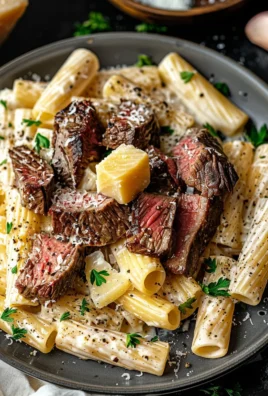

Gordon Ramsay Carbonara – what an intriguing phrase! I’ve always been fascinated by how a culinary master like Chef Ramsay approaches a classic, often debated, Italian dish. Carbonara, with its humble origins rooted deeply in Roman tradition, is a remarkable testament to the magic that can happen with just a few quality ingredients: eggs, cured pork (ideally guanciale), Pecorino Romano cheese, freshly ground black pepper, and al dente pasta. There’s a certain mystique around achieving that perfect, silky-smooth sauce that flawlessly coats every strand of spaghetti without scrambling the eggs – a culinary challenge many home cooks have either faced or actively shied away from.
But fear not! I’m here to tell you that mastering this iconic dish is entirely within your reach, especially when you follow the expert guidance of one of the world’s most renowned chefs. People adore Carbonara for its incredible richness, the harmonious blend of salty, savory guanciale, the sharp tang of Pecorino, and that luxurious, emulsified egg yolk sauce that delivers pure comfort in every single bite. It’s surprisingly simple, yet profoundly satisfying, offering an authentic taste of Italy that feels both rustic and refined. This particular Gordon Ramsay Carbonara rendition truly elevates the experience, making a beloved classic accessible and utterly delicious. Join me as we unlock the secrets to creating a truly unforgettable plate of pasta in your own kitchen.

Ingredients:
- For the Pasta:
- 400-500 grams (14-18 ounces) high-quality spaghetti or bucatini
- Coarse sea salt, for pasta water
- For the Guanciale:
- 150-200 grams (5-7 ounces) guanciale, or good quality, unsmoked pancetta (cut from a block)
- For the Egg Mixture:
- 3 large egg yolks
- 1 whole large egg
- 100-120 grams (3.5-4 ounces) freshly grated Pecorino Romano cheese, plus extra for serving
- 2-3 teaspoons freshly ground black pepper, or to taste (I like a lot!)
- Essential Liquid:
- Reserved starchy pasta water (about 1-1.5 cups)
- Optional:
- A tiny drizzle of olive oil, only if your guanciale is very lean to start the rendering process
The Heart of Gordon Ramsay Carbonara: Ingredient Selection
For me, the secret to an outstanding
Gordon Ramsay Carbonara
, one that truly sings with flavor and texture, begins long before any cooking utensil touches a pan. It’s all about the quality and authenticity of your ingredients. There are no shortcuts here, and every component plays a crucial role in creating that iconic, creamy, and intensely savory dish.
Let’s talk about the pasta first. I always reach for good quality, bronze-die spaghetti or bucatini. Why bronze-die? Because its rougher, more porous surface is absolutely essential here; it grips the sauce so much better than smooth pasta, creating that beautiful cling we’re aiming for. This isn’t just about aesthetics; it’s about flavor delivery in every single bite. For four generous servings, I typically use about 400-500 grams (14-18 ounces). Remember, pasta is the canvas for our incredible
Gordon Ramsay Carbonara
, so choose wisely.
Next up, the star of the show for me: guanciale. This is non-negotiable for an authentic Gordon Ramsay Carbonara, in my opinion! Guanciale, which is cured pork jowl, offers a depth of flavor and a silky rendered fat that pancetta simply can’t replicate. It’s intensely savory, with a more pronounced porky flavor and a richer mouthfeel. Aim for about 150-200 grams (5-7 ounces). If you absolutely cannot find guanciale, and I stress this as a last resort, unsmoked pancetta is the next best thing. But please, try to find it in a block so you can dice it yourself; pre-sliced pancetta is often too thin and won’t render properly or provide those delightful crispy bits. The fat from the guanciale is going to be the foundation of our sauce, so we need plenty of it.
For a truly luxurious, creamy sauce that defines a great Gordon Ramsay Carbonara, we’re going to use 3 large egg yolks and 1 whole large egg. This specific ratio is key. The yolks provide immense richness and emulsifying power, giving the sauce that velvety texture, while the single whole egg adds a touch of body without making the sauce too heavy or prone to scrambling. Make sure your eggs are at room temperature; this helps them mix more smoothly with the cheese and reduces the risk of them seizing or scrambling when they hit the warm pasta. Cold eggs are much more likely to curdle.
Pecorino Romano cheese is another cornerstone. This sharp, salty, sheep’s milk cheese provides that essential pungent, savory kick that perfectly balances the richness of the eggs and guanciale. Grate about 100-120 grams (3.5-4 ounces) fresh. And a strong word of advice: do NOT substitute with Parmesan. While delicious in its own right, Parmesan has a different flavor profile and won’t give you the characteristic taste of a true Gordon Ramsay Carbonara. Freshly grated is absolutely key here; pre-grated cheeses often contain anti-caking agents that can make your sauce gritty or less creamy.
Finally, freshly ground black pepper. This isn’t just a seasoning; it’s a fundamental flavor component, offering a warm, spicy counterpoint to the richness. I like to use a generous amount, about 2-3 teaspoons, sometimes a mix of finely and coarsely ground pepper for both aroma and a slight textural element. And for the pasta water, a good coarse sea salt is what you want. Remember, guanciale and Pecorino are inherently salty, so we’ll be judicious with any additional salt throughout the cooking process.
Phase 1: Preparations & Mis en Place
- Gather Your Tools and Ingredients: Before you even think about turning on the stove, ensure all your ingredients are measured, prepped, and within arm’s reach. This is the foundation of efficient cooking, especially for a dish like Gordon Ramsay Carbonara, where timing is everything. Get out your largest pan or wok for tossing the pasta and sauce – it needs to be big enough to comfortably mix everything without spillage. You’ll also need a large pot for the pasta, a whisk, and tongs.
- Grate the Cheese: Take your block of Pecorino Romano and grate it finely. As mentioned, freshly grated is non-negotiable for that perfect texture and flavor. Set aside about two tablespoons for garnish, and put the rest into a medium-sized heatproof bowl.
- Prepare the Eggs: Separate three egg yolks from their whites, placing the yolks into the bowl with the grated Pecorino. Then, add one whole egg to the same bowl. This ratio is crucial for the creamy, silky consistency we’re aiming for in this Gordon Ramsay Carbonara. Using eggs at room temperature is important here, as it helps them emulsify more smoothly later and prevents them from scrambling when they meet the warm pasta.
- Season the Egg Mixture: Generously add your freshly ground black pepper to the egg and cheese mixture. I mean really go for it! The pepper is more than just a seasoning; it’s a core flavor component. Give it a good whisk with a fork or small whisk until everything is thoroughly combined and looks like a thick, pale yellow paste. It should be quite stiff; this is good. Do not add any salt to this mixture yet, as the Pecorino and guanciale are already quite salty. Set this bowl aside.
- Dice the Guanciale: Take your block of guanciale (or pancetta) and carefully dice it into small, even pieces, roughly ½-inch (1 cm) cubes. Consistency in size is important here for even rendering and cooking. You want those beautiful, crispy morsels without some burning while others are still soft.
- Set Up Pasta Water: Fill a large pot with plenty of water. I’m talking at least 4-5 liters (1 gallon) for 400-500g of pasta. This gives the pasta room to move and prevents it from sticking. Add a generous amount of coarse sea salt to the water – it should taste like the sea! I often add about 1-2 tablespoons. Bring this water to a rolling boil.
Phase 2: Cooking the Guanciale & Building the Flavor Base
- Render the Guanciale: Place a large, dry skillet or frying pan (preferably non-stick or cast iron) over medium-low heat. Add your diced guanciale. This is a critical step for a truly great Gordon Ramsay Carbonara. The key here is low and slow. We want to gently coax out all that beautiful, flavorful fat without burning the meat. There’s usually no need for oil as the guanciale will release plenty of its own fat. If, however, your guanciale seems incredibly lean, a tiny drizzle of olive oil to start won’t hurt, but it’s rarely necessary. As the fat renders, the guanciale will become wonderfully crisp and golden brown. This process might take 8-10 minutes, so be patient and resist the urge to crank up the heat. Stir occasionally to ensure even cooking.
- Reserve the Rendered Fat and Crisp Guanciale: Once the guanciale is deeply golden and deliciously crisp, use a slotted spoon to remove the pieces from the pan and transfer them to a small bowl. This keeps them from overcooking and becoming tough. Crucially, leave all that beautiful, rendered fat in the pan! This golden, flavorful fat is liquid gold and forms the aromatic base for our Gordon Ramsay Carbonara sauce. Turn off the heat under the pan for now, but keep the pan warm if possible.
- Cook the Pasta: By now, your salted pasta water should be at a rolling boil. Add your spaghetti or bucatini to the boiling water and stir immediately to prevent it from sticking. Cook according to package directions, but aim for a minute or two less than al dente. We want the pasta to finish cooking in the sauce, absorbing all those incredible flavors. During the last few minutes of cooking, scoop out at least 1-1.5 cups of the starchy pasta water and set it aside. This cloudy, starchy water is absolutely essential for emulsifying our Gordon Ramsay Carbonara sauce.
Phase 3: Crafting the Silky Carbonara Sauce
- Drain the Pasta & Immediately Combine: As soon as the pasta is slightly undercooked (al dente minus a minute or two), drain it quickly. Do not rinse the pasta! You want that starchy coating. Immediately transfer the hot, drained pasta directly into the pan with the reserved guanciale fat. Do not put the pan back on the heat! The residual heat from the pasta and the pan is all we need. This is where precise timing and confidence come into play for a perfect Gordon Ramsay Carbonara.
- Introduce the Egg Mixture: Pour the egg, Pecorino, and pepper mixture over the hot pasta in the pan. Immediately begin to toss and stir vigorously with tongs. The goal here is to coat every strand of pasta evenly, allowing the residual heat to gently cook the eggs and melt the cheese, forming a creamy sauce. You are not scrambling the eggs; you are emulsifying them. Keep tossing without hesitation.
- Emulsify with Pasta Water: As you toss, the sauce might look a little dry or clumpy at first. This is normal. Gradually add a splash or two of the reserved starchy pasta water, continuing to toss vigorously. The starch in the water helps to bind the sauce and create that signature silky, creamy consistency without needing any actual cream. Keep adding small amounts of pasta water, a tablespoon or two at a time, until the sauce reaches your desired luxurious consistency. It should be thick enough to coat the pasta beautifully, but still flowing and glossy. This part requires a bit of intuition; you’re looking for that perfect balance. The sauce will thicken slightly as it cools, so err on the side of slightly looser if unsure.
- Add Back the Guanciale: Once your sauce has reached that dreamy consistency, add most of the crisp guanciale back into the pan. Give it a final toss to distribute those savory, crunchy bits throughout the Gordon Ramsay Carbonara. Reserve a few pieces for garnish.
Phase 4: Serving Your Perfect Gordon Ramsay Carbonara
- Final Seasoning and Plating: Taste your Gordon Ramsay Carbonara. It should be incredibly flavorful. Due to the saltiness of the guanciale and Pecorino, you might not need much, if any, additional salt. Adjust the black pepper to your liking – I always add a final generous grind!
- Serve Immediately: Carbonara is a dish that waits for no one! Serve your exquisite Gordon Ramsay Carbonara immediately in warm bowls. The sauce is at its absolute best right off the “stove” (or rather, out of the pan).
- Garnish: Finish each serving with a sprinkle of additional freshly grated Pecorino Romano cheese and a few of those reserved crispy guanciale pieces. A final flourish of freshly ground black pepper is also a must for me. Revel in the rich aroma and dig into your perfectly executed Gordon Ramsay Carbonara – a truly timeless and satisfying dish when made correctly!

Conclusion:
And there you have it, my friends! We’ve journeyed through the steps, understood the nuances, and now stand at the precipice of culinary satisfaction. If there’s one dish I could implore you to master, one recipe that truly embodies the magic of transforming a few humble ingredients into something utterly sublime, it’s this Carbonara. This isn’t just a pasta dish; it’s an experience, a symphony of textures and flavors that dances on your palate with every forkful. The unctuous sauce, born from the perfect emulsification of egg, cheese, and rendered pork fat, clings lovingly to each strand of pasta, delivering a richness that is both decadent and surprisingly balanced. It’s a testament to the fact that sometimes, the simplest things are indeed the most profound. I genuinely believe that once you taste the creamy, peppery, deeply savory goodness that results from following these carefully crafted steps, you’ll understand why it quickly becomes a cherished staple in kitchens around the world.
What makes this particular rendition a must-try, in my humble opinion, is its unwavering commitment to authenticity while still being incredibly achievable for the home cook. We’re talking about that glorious moment when the heat of the pasta gently cooks the eggs into a velvety sauce, not a scrambled mess, creating a finish that is both elegant and comforting. It’s that exquisite balance of salty guanciale, pungent Pecorino Romano, and the sharp bite of freshly ground black pepper that truly elevates it. This isn’t just any Carbonara; it’s a dish that pays homage to its Roman roots with a precision that would even make a culinary legend proud. Think of the attention to detail, the emphasis on quality ingredients, and the meticulous technique that one might associate with a master chef. When you embark on creating your own batch, you’ll feel that sense of accomplishment, that pride in crafting something so deeply satisfying from scratch. Trust me when I say that the reward for your effort is an unforgettable meal, a true highlight in your culinary repertoire.
Now, while the classic presentation is often perfect in its simplicity, don’t hesitate to play around a little once you’ve nailed the basic technique. For serving, I always advocate for a generous grating of extra Pecorino Romano and a fresh crack of black pepper right at the table – it adds both visual appeal and an extra punch of flavor. A simple green salad with a light vinaigrette makes for an excellent companion, cutting through the richness beautifully, and a crisp, dry white wine or even a sparkling water with a twist of lemon would complement the meal wonderfully. If you’re feeling adventurous, consider experimenting with different pasta shapes; while spaghetti is traditional, bucatini or even rigatoni can provide interesting textural variations, allowing the sauce to truly coat every crevice. Some might be tempted to add a sprinkle of fresh parsley for color, and while not traditional, it can offer a fresh aromatic note if you desire a slight deviation. Alternatively, if finding guanciale proves tricky, a high-quality, unsmoked pancetta or even a very thick-cut, good-quality bacon can be used in a pinch, though I highly recommend seeking out guanciale for that authentic depth of flavor. Remember, the beauty of cooking is making it your own, but always start with the foundation.
So, I wholeheartedly encourage you to roll up your sleeves, gather your ingredients, and dive into the delightful challenge of making this incredible dish. There’s a profound satisfaction that comes from bringing such a revered recipe to life in your own kitchen. Don’t be intimidated by the process; with a little focus and patience, you’ll be amazed at the restaurant-quality meal you can produce. And when you’ve taken that first glorious bite, when you experience the sheer pleasure of this authentic and deeply flavorful pasta, I truly hope you’ll share your culinary triumph with me and the wider community! Take a picture, tell us about your experience, share any tips you discovered along the way, or even how you served your perfect bowl. I’m always so thrilled to see your creations and hear your stories. This isn’t just about cooking; it’s about sharing a passion, building confidence in the kitchen, and enjoying truly wonderful food. This particular approach to carbonara truly elevates the experience, embodying the spirit of meticulous and delicious cooking, much like a well-executed Gordon Ramsay Carbonara would. So go forth, cook, and savor every single moment!
Gordon Ramsay Beef Carbonara: The Best Creamy Italian Recipe
Mastering this iconic Italian dish is within your reach. This Gordon Ramsay Beef Carbonara offers an incredible richness from cured beef belly, sharp Pecorino, and a luxurious emulsified egg yolk sauce. Surprisingly simple, yet profoundly satisfying, it brings authentic comfort.
Ingredients
Instructions
Important Information
Nutrition Facts (Per Serving)
It is important to consider this information as approximate and not to use it as definitive health advice.
Allergy Information
Please check ingredients for potential allergens and consult a health professional if in doubt.