
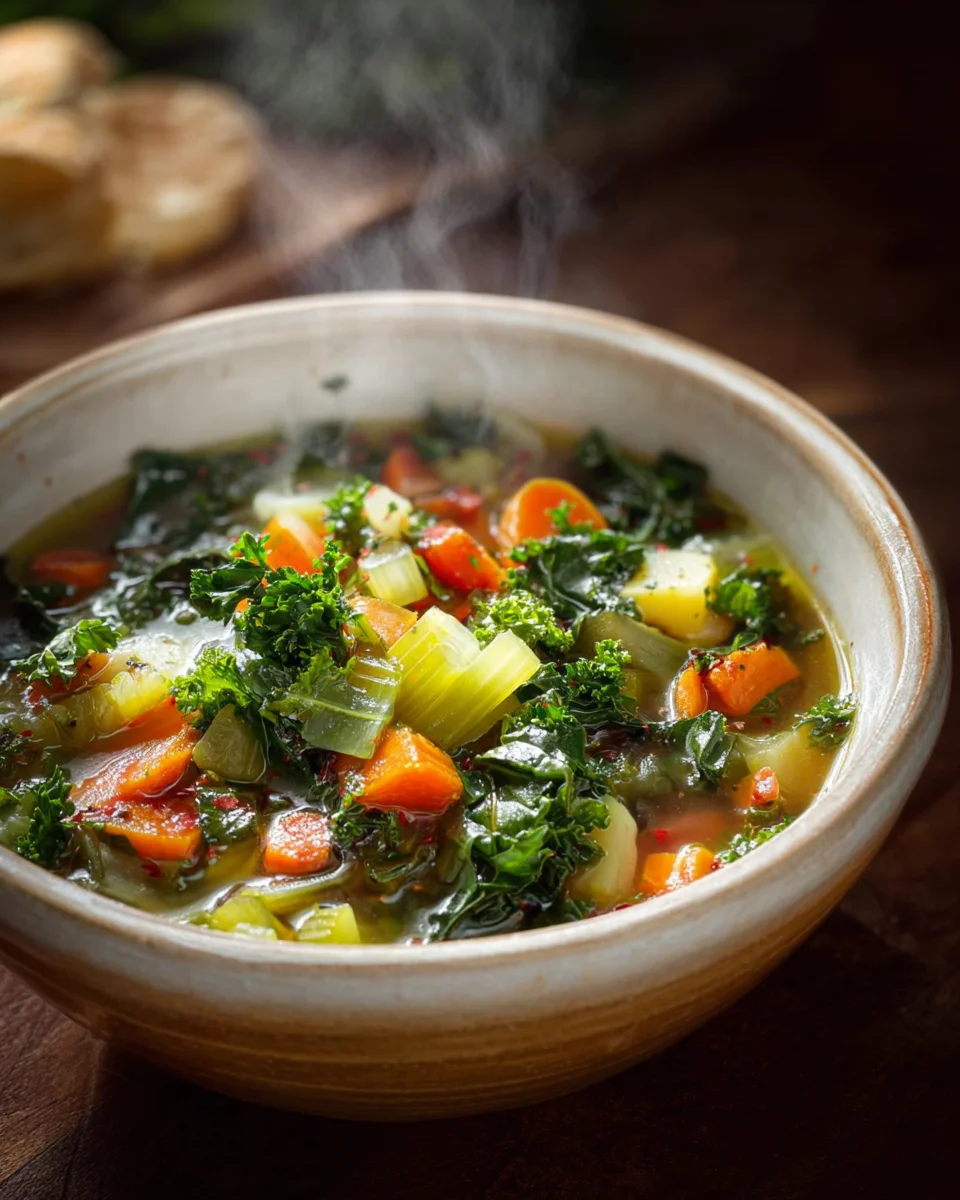
Vegetable Soup. Is there anything quite as universally comforting and utterly satisfying as a steaming bowl of this wholesome goodness? I often find myself turning to a classic Vegetable Soup whenever I crave something nourishing, flavorful, and incredibly versatile. It’s more than just a meal; it’s a hug in a bowl, a vibrant tapestry of seasonal produce coming together in perfect harmony. From ancient hearths to modern kitchens, the simple act of simmering vegetables in broth has been a cornerstone of culinary traditions worldwide, evolving with local ingredients but always retaining its core promise of warmth and sustenance. People adore this dish not just for its incredible taste—fresh, robust, and deeply satisfying—but also for its incredible health benefits, ease of preparation, and the joyful feeling of eating something so naturally delicious. The beautiful array of colors and textures from garden-fresh ingredients makes every spoonful a delightful experience. I’m so excited to share my go-to recipe with you today, promising a bowl that will nourish both body and soul.

Ingredients:
- 2 tablespoons extra virgin olive oil: This is the golden liquid that forms the essential foundation for sautéing our aromatics, providing a wonderful, rich base flavor that permeates the entire soup. Choosing a good quality olive oil truly makes a difference in the overall taste.
- 1 large yellow onion: Peeled and finely diced. This humble yet mighty aromatic gem adds a crucial layer of sweetness and depth to our vegetable soup. When cooked slowly, its pungent raw flavor mellows into a beautifully sweet and inviting essence that’s absolutely fundamental to a comforting soup.
- 3 cloves garlic: Minced. Garlic is an undeniable flavor booster, infusing the entire soup with its delightful pungency. As it cooks gently, this pungency transforms into a warm, inviting, and slightly sweet aroma that is simply irresistible and integral to the classic taste of a hearty vegetable soup.
- 2 carrots: Peeled and diced into small, uniform pieces (approximately 1/2 inch cubes or rounds). Carrots contribute a fantastic natural sweetness, a vibrant splash of color, and a good dose of wholesome nutrients to our hearty vegetable soup. Their texture holds up well, offering a pleasant bite.
- 2 celery stalks: Trimmed and diced into small, uniform pieces (approximately 1/2 inch). Celery introduces a subtle earthy and slightly salty note, adding both complexity to the flavor profile and a nice textural counterpoint that softens beautifully during simmering but retains a pleasant chew.
- 1 medium potato (e.g., Yukon Gold or Russet): Peeled and diced into 1/2-inch cubes. Potatoes are fantastic for lending a wonderful, starchy creaminess and body to the soup. As they simmer, they release some starch, which naturally thickens the broth slightly, making the vegetable soup incredibly satisfying and comforting.
- 1 medium zucchini: Trimmed and diced into 1/2-inch cubes. Zucchini adds a delicate freshness and a light, almost buttery texture to the soup. It readily absorbs the rich flavors of the broth, providing a tender bite without ever overwhelming the other robust vegetables in our vegetable soup.
- 1 cup green beans: Trimmed and cut into 1-inch pieces. These vibrant green beans provide a lovely pop of color and a distinct, slightly sweet crunch that adds character and freshness, making each spoonful of vegetable soup more interesting and varied.
- 1 (14.5-ounce) can diced tomatoes: Undrained. Diced tomatoes are absolutely essential for bringing an acidic brightness, a touch of tangy sweetness, and a rich umami depth to the soup. The juices from the can contribute significantly to the overall liquid base and enhance the savory quality.
- 6 cups vegetable broth: Or more, as needed. This is the very liquid backbone of our soup, providing the necessary moisture for all the vegetables to cook and a savory, aromatic foundation for all the flavors to meld and deepen. Using a high-quality vegetable broth will significantly elevate the taste of your vegetable soup.
- 1 teaspoon dried oregano: Or 2 teaspoons fresh, finely chopped. Oregano offers a warm, earthy, and slightly peppery Mediterranean note that beautifully complements the array of vegetables and ties together the classic flavors we expect from a delicious vegetable soup.
- 1 teaspoon dried thyme: Or 2 teaspoons fresh, finely chopped. Thyme adds a delicate, woody, and slightly floral aroma. Its subtle complexity pairs wonderfully with almost all vegetables, enhancing the overall savory and comforting profile of our vegetable soup.
- 1/2 teaspoon dried basil: Or 1 teaspoon fresh, finely chopped. Basil contributes a distinct sweet, peppery, and slightly minty flavor that brightens the soup and helps to harmonize all the herbaceous notes, adding a touch of classic Italian flair.
- 1 bay leaf: A classic addition to countless soup recipes, a bay leaf imparts a very subtle, almost herbal and slightly woody, underlying aroma. It quietly deepens the overall complexity of the broth without being overtly noticeable in its own right, truly enhancing the background flavors of the vegetable soup.
- Salt and freshly ground black pepper: To taste. These fundamental seasonings are absolutely essential for balancing, enhancing, and “waking up” all the wonderful flavors in your soup. They should be added gradually throughout the cooking process and adjusted right before serving to achieve perfect equilibrium.
- 1 cup frozen peas: Added towards the end of the cooking process, these tiny, vibrant green gems bring a burst of natural sweetness and maintain their tender-crisp texture, adding a delightful freshness and beautiful color without becoming overcooked.
- 1/2 cup fresh parsley: Finely chopped, for garnish. Fresh parsley is a fantastic finishing touch. It adds a final layer of bright, herbaceous freshness, a touch of vibrant green color, and a wonderfully clean aroma right before serving, lifting the entire dish and making the vegetable soup truly shine.
- Optional: 1/2 cup small pasta (e.g., ditalini, elbow macaroni) or 1/2 cup cooked quinoa/rice: For those who desire a heartier, more filling soup, these additions are perfect. If you opt for pasta, choose a small shape that cooks relatively quickly and add it towards the end of the simmering time to prevent it from becoming mushy. If using cooked quinoa or rice, simply stir it in to heat through.
Let’s Get Cooking Our Delicious Vegetable Soup!
Preparing a truly delightful vegetable soup is an incredibly rewarding experience in the kitchen. It’s a dish that beautifully allows for creativity, embraces fresh, wholesome ingredients, and has an unparalleled ability to fill your entire home with the most comforting and inviting aromas. This recipe is designed to guide you step-by-step, ensuring you create a vibrant, flavorful, and incredibly nourishing bowl of goodness. Remember, cooking should always be about enjoying the process, experimenting a little, and, most importantly, tasting along the way to ensure every spoonful is perfect!
Phase 1: The Essential Prep Work for Our Vegetable Soup
This initial phase is all about setting yourself up for undeniable success. Getting all your ingredients ready and organized before you even begin to apply heat, a technique often called “mise en place,” makes the entire cooking process significantly smoother, more efficient, and far more enjoyable. Trust me, you’ll feel like a professional chef, and you’ll absolutely thank yourself later when everything is chopped, measured, and patiently waiting to be added to the pot without any last-minute scrambling.
- Chop and Dice All Your Veggies with Care: Begin by thoroughly washing all your beautiful, fresh vegetables under cool running water. Next, carefully peel your yellow onion, carrots, and the potato. Take your time to finely dice the yellow onion, aiming for small, uniform pieces; this consistency is key for even cooking and melting into the soup. Mince the garlic cloves – a sturdy garlic press works wonderfully here for speed and ease, or you can use a sharp chef’s knife for a more rustic chop. Dice the carrots and celery into consistent 1/2-inch pieces; again, uniformity in size is paramount to ensure all vegetables cook through at roughly the same rate and contribute their textures evenly. Cube the potato and zucchini into similar 1/2-inch pieces. Finally, trim the tough ends off your green beans and cut them into manageable 1-inch lengths. Having all these ingredients prepared and waiting in individual bowls will make the subsequent cooking steps remarkably efficient and truly enjoyable. This thorough and precise preparation is an absolute cornerstone for ensuring that every single vegetable cooks perfectly, contributes its unique texture, and fully releases its wonderful flavor into the final, harmonious vegetable soup. It really is a game-changer!
Phase 2: Building the Flavor Base – Sautéing Aromatics
Ah, this is truly where the magic of our vegetable soup begins to unfold! Sautéing the aromatics properly is an incredibly crucial step for building a deep, complex, and utterly irresistible flavor profile. Think of it as laying the savory groundwork; it’s the rich, aromatic foundation upon which all other deliciousness will be meticulously built. Don’t rush this part – patience here yields immense flavor rewards.
- Heat the Olive Oil Gently: Grab a large, heavy-bottomed pot or a sturdy Dutch oven – this will be your best friend and ideal vessel for making a truly magnificent soup. Place it over medium heat on your stovetop and carefully add the two tablespoons of extra virgin olive oil. Allow the oil to gently heat for about a minute or two. You’ll know it’s perfectly ready when it begins to shimmer slightly and moves fluidly in the pot. It’s important to avoid scorching the oil at this stage, as overheated oil can impart an undesirable bitter flavor to your otherwise pristine soup.
- Sauté the Onions Until Tender: Now, carefully add the finely diced yellow onion to the gently heated oil in the pot. Stir them gently and continuously with a wooden spoon or a heat-resistant spatula to ensure even cooking. Cook the onions for a good 5-7 minutes, stirring periodically to prevent sticking. What you’re aiming for is for them to become beautifully translucent and wonderfully softened, at which point they will have released a significant amount of their natural sweetness. We are deliberately not seeking any browning or caramelization here, just a gentle, thorough softening. This crucial step is incredibly important for developing the foundational sweetness and aromatic depth that will permeate every single spoonful of your magnificent vegetable soup.
- Introduce the Carrots and Celery: Once your onions have achieved that tender, fragrant, and translucent state, it’s time to add the diced carrots and celery to the pot. Continue to cook these vibrant additions for another 5-7 minutes, making sure to stir them periodically. This allows these slightly heartier root vegetables to begin softening and to thoughtfully release their own unique flavors into the developing aromatic base. The gentle, consistent heat during this phase helps to coax out their natural sugars and earthy aromas, which will contribute immensely to the overall depth, complexity, and wholesome goodness of your vegetable soup.
- Stir in the Garlic with Care: Now for that unmistakable aroma! Add the minced garlic to the pot, stirring it in thoroughly with all the other softened vegetables. Cook for a very brief period, just about 1 minute. This is a critical moment where you must be very vigilant and careful not to let the garlic brown or, even worse, burn. Burnt garlic can quickly become quite bitter and will unfortunately overpower and ruin the delicate, nuanced flavors we’ve been so carefully building for our exquisite soup. You’ll notice an almost immediate, wonderfully aromatic burst – that’s your cue that it’s perfectly ready for the next exciting step in crafting your perfect vegetable soup.
Phase 3: Bringing it All Together – Adding Vegetables, Liquids, and Seasonings
With our rich, aromatic base firmly established and fragrant, it’s now time to introduce the rest of our wonderful array of fresh vegetables and the flavorful liquid that will magically transform everything into a cohesive, comforting, and absolutely irresistible vegetable soup. The pot is about to fill with color and promise!
- Introduce the Remaining Fresh Vegetables: Gently add the diced potatoes, zucchini, and vibrant green beans to the pot. Give everything a good, thorough stir to combine all these fresh vegetables with the beautifully sautéed aromatics. Allow them to cook together for about 2-3 minutes, just enough time to lightly coat them in the flavorful olive oil and to begin the initial heating process. This brief pre-simmer sauté helps to wake up and develop their individual flavors before they become fully submerged in the simmering liquid.
- Pour in the Tomatoes and Broth with Confidence: Next, carefully pour in the entire can of diced tomatoes, making sure to include all their precious juices – these contribute significant flavor and body. Then, add the 6 cups of high-quality vegetable broth. If you find you prefer a slightly thinner soup, or if your vegetables are particularly absorbent, feel free to add a little more broth at this stage, or even later during the simmering process, to achieve your desired consistency. Stir everything together well, ensuring that all the vegetables are mostly submerged in the nourishing liquid.
- Season Liberally with Herbs and Add a Bay Leaf: It’s now time to infuse our vegetable soup with those delightful herbaceous notes that define its character! Add the dried oregano, dried thyme, dried basil, and carefully drop in the bay leaf. Give it another gentle but thorough stir to distribute the herbs evenly throughout the liquid. These carefully selected herbs are absolutely crucial for defining the signature, comforting, and classic taste of a truly exceptional vegetable soup.
- Bring to a Boil, Then Settle into a Gentle Simmer: Increase the heat to high and bring the entire pot of soup to a rolling, vigorous boil. Once it’s actively boiling, immediately reduce the heat to low, ensuring it settles into a gentle, consistent simmer. Place the lid securely on the pot, and let your magnificent vegetable soup simmer gently for at least 20-25 minutes, or until all the vegetables are wonderfully tender when pierced with a fork. Remember, the longer this soup simmers patiently on low heat, the more the myriad flavors will meld, deepen, and truly develop into something extraordinary.
Phase 4: The Finishing Touches and Serving Your Vegetable Soup
We are almost there! This final stage is all about adding those last bursts of freshness, meticulously adjusting the seasoning to absolute perfection, and preparing your incredibly delicious vegetable soup for serving. Get ready to enjoy the fruits of your labor!
- Check for Tenderness and Remove the Bay Leaf: After the recommended simmering time, carefully lift the lid off the pot. Take a piece of carrot or potato out of the soup (be careful, it’s hot!) and test its tenderness. It should be easily pierced with a fork, offering slight resistance, but certainly not mushy. If the vegetables are still a bit firm for your liking, simply continue simmering for another 5-10 minutes, checking every few minutes. Crucially, and this is very important, remember to locate and carefully remove the bay leaf from the pot before proceeding. Its job of infusing subtle flavor is now complete, and it is not meant to be eaten.
- Add Frozen Peas (and Optional Pasta/Grain for Heartiness): Now, gently stir in the cup of bright frozen peas. If you’ve decided to make your vegetable soup even heartier and more substantial with small pasta (such as ditalini or elbow macaroni) or a pre-cooked grain (like quinoa or rice), this is the perfect time to incorporate them. If adding raw pasta, make sure to cook it directly in the soup according to its package directions until it reaches a perfect al dente stage, which typically takes about 7-10 minutes, ensuring it doesn’t become overcooked and mushy. If adding pre-cooked grains, simply stir them in and allow them to heat through for just a couple of minutes. The frozen peas only need a few minutes to heat through and will retain their vibrant color and delightful, slight snap, adding a fresh burst to the soup.
- Season Your Soup to Absolute Perfection: This is a critically important step that truly makes your vegetable soup sing! Taste your glorious creation. Now, carefully add salt and freshly ground black pepper to taste. It’s always best to start with a small amount, stir it in, and then taste again. You might be pleasantly surprised at how much salt a large pot of soup can absorb to truly bring out and elevate all its wonderful, complex flavors. Remember this golden rule of seasoning: it’s always far easier to add more seasoning than it is to try and take it away! Some culinary enthusiasts also enjoy a tiny pinch of sugar to balance the acidity from the tomatoes, or a splash of fresh lemon juice for an invigorating burst of brightness – feel free to experiment and adjust according to your personal preference and what you truly enjoy.
- Serve Hot and Garnish Beautifully: Ladle your steaming, glorious, and aromatic vegetable soup generously into warm bowls. Garnish each serving with a generous sprinkle of freshly chopped parsley. The fresh parsley adds a wonderful, verdant burst of herbaceousness, a touch of vibrant green color, and a wonderfully clean, bright aroma that truly elevates the entire dish, making your vegetable soup look as good as it tastes. For an extra touch of indulgent richness and profound flavor, you can also offer a delicate drizzle of good quality extra virgin olive oil or a dusting of finely grated Parmesan cheese at the table for guests to add as they please.
Congratulations! Enjoy your beautifully homemade, incredibly comforting, and profoundly flavorful vegetable soup! It’s perfect on its own as a light meal, absolutely wonderful served with a crusty piece of rustic bread for dipping, or as a delightful accompaniment alongside a fresh, crisp salad. This versatile soup also keeps exceptionally well in the refrigerator for several days, and its flavors often deepen and improve overnight, making it a fantastic option for wholesome meal prep throughout your week. You can also easily freeze individual portions for quick, convenient, and nourishing meals whenever you need them. I truly hope you find as much joy and deliciousness in this recipe as I do!
Conclusion:
Well, my friends, we’ve reached the delicious finale of our culinary adventure with this incredible recipe! I truly hope you’re feeling inspired and ready to tie on your apron, because if there’s one dish I believe everyone should master, it’s this one. Why is it a must-try, you ask? Let me count the ways! First and foremost, the sheer vibrant flavor profile of this particular Vegetable Soup is something to behold. We’re talking about a symphony of garden-fresh goodness, where each vegetable shines, contributing its unique texture and sweetness without being overpowered. It’s incredibly nourishing, packed with vitamins, minerals, and fiber, making it the perfect guilt-free meal any day of the week. Think about those chilly evenings when you crave something warm and comforting, or those days you need a healthy reset – this recipe delivers on all fronts. It’s surprisingly simple to prepare, making it ideal for novice cooks and seasoned pros alike. You won’t be spending hours slaving over a hot stove, yet the result tastes like you did. The aroma alone, as it simmers gently on your stovetop, is enough to bring a smile to your face and gather everyone to the kitchen. It’s a testament to the fact that wholesome, healthy food can be utterly delicious and deeply satisfying. This isn’t just another meal; it’s a bowl full of warmth, health, and pure culinary joy, designed to nourish both body and soul. Its flexibility makes it a staple, adaptable to whatever fresh produce you have on hand, minimizing waste and maximizing flavor. I promise, once you taste the rich, layered depths of this soup, you’ll understand why it quickly becomes a cherished favorite in your recipe collection. It’s comfort food elevated, offering both hearty substance and a delicate freshness that appeals to every palate.
Serving Suggestions & Creative Variations
Now, while this Vegetable Soup is absolutely fantastic on its own, a true masterpiece doesn’t shy away from being enhanced or adapted to suit your mood and pantry. For a classic, comforting experience, nothing beats a generous bowl paired with a thick slice of warm, crusty bread – perhaps a sourdough or a rustic whole grain – perfect for soaking up every last drop of that flavorful broth. A grilled cheese sandwich makes a nostalgic and utterly satisfying companion, especially on a rainy afternoon. If you’re looking to make it a more substantial meal, consider adding a scoop of cooked quinoa or brown rice directly into your bowl. For a refreshing contrast, a simple side salad with a light vinaigrette can be a lovely addition.
But let’s talk about making this recipe uniquely yours! The beauty of a good Vegetable Soup lies in its endless adaptability. Feeling like adding some protein? Shredded cooked chicken, canned cannellini beans, chickpeas, or even red lentils can be stirred in during the last 15 minutes of simmering for an extra hearty touch. For a touch of creaminess, swirl in a tablespoon of coconut milk, a dollop of plain Greek yogurt, or a splash of heavy cream just before serving – it adds a delightful richness without overwhelming the fresh flavors. Experiment with different herbs: fresh dill or basil can offer a completely different aromatic profile. A squeeze of lemon juice or a dash of apple cider vinegar at the very end can brighten all the flavors beautifully. Don’t be afraid to adjust the spice level with a pinch of red pepper flakes or a dash of your favorite hot sauce if you like a little kick. And remember, seasonal vegetables are your best friends! Swap out certain veggies for whatever is fresh and abundant in your local market – think asparagus and peas in spring, or butternut squash and kale in autumn. A sprinkle of Parmesan cheese or a few homemade croutons on top can also elevate the experience to gourmet levels. This recipe is truly a canvas for your culinary creativity!
Your Culinary Adventure Awaits!
So, what are you waiting for? Don’t just read about this delicious journey; embark on it yourself! I genuinely encourage you to grab those fresh ingredients, get cooking, and experience the pure satisfaction of creating such a wholesome and delicious meal from scratch. There’s an immense joy in cooking for yourself and your loved ones, and this recipe is a fantastic way to embrace that joy. Once you’ve whipped up your batch of this delightful Vegetable Soup, I would absolutely love to hear about your experience! Share your photos, tell me about your variations, or simply let me know how much you enjoyed it in the comments. Your feedback and creativity inspire me and our entire community of food lovers. Happy cooking, and I can’t wait to see what deliciousness you create!
Warm & Healthy Vegetable Soup
Is there anything quite as universally comforting and utterly satisfying as a steaming bowl of this wholesome goodness? I often find myself turning to a classic Vegetable Soup whenever I crave something nourishing, flavorful, and incredibly versatile. It’s more than just a meal; it’s a hug in a bowl, a vibrant tapestry of seasonal produce coming together in perfect harmony. People adore this dish not just for its incredible taste—fresh, robust, and deeply satisfying—but also for its incredible health benefits, ease of preparation, and the joyful feeling of eating something so naturally delicious. I’m so excited to share my go-to recipe with you today, promising a bowl that will nourish both body and soul.
Ingredients
Instructions
Important Information
Nutrition Facts (Per Serving)
It is important to consider this information as approximate and not to use it as definitive health advice.
Allergy Information
Please check ingredients for potential allergens and consult a health professional if in doubt.